Last updated October 30, 2026
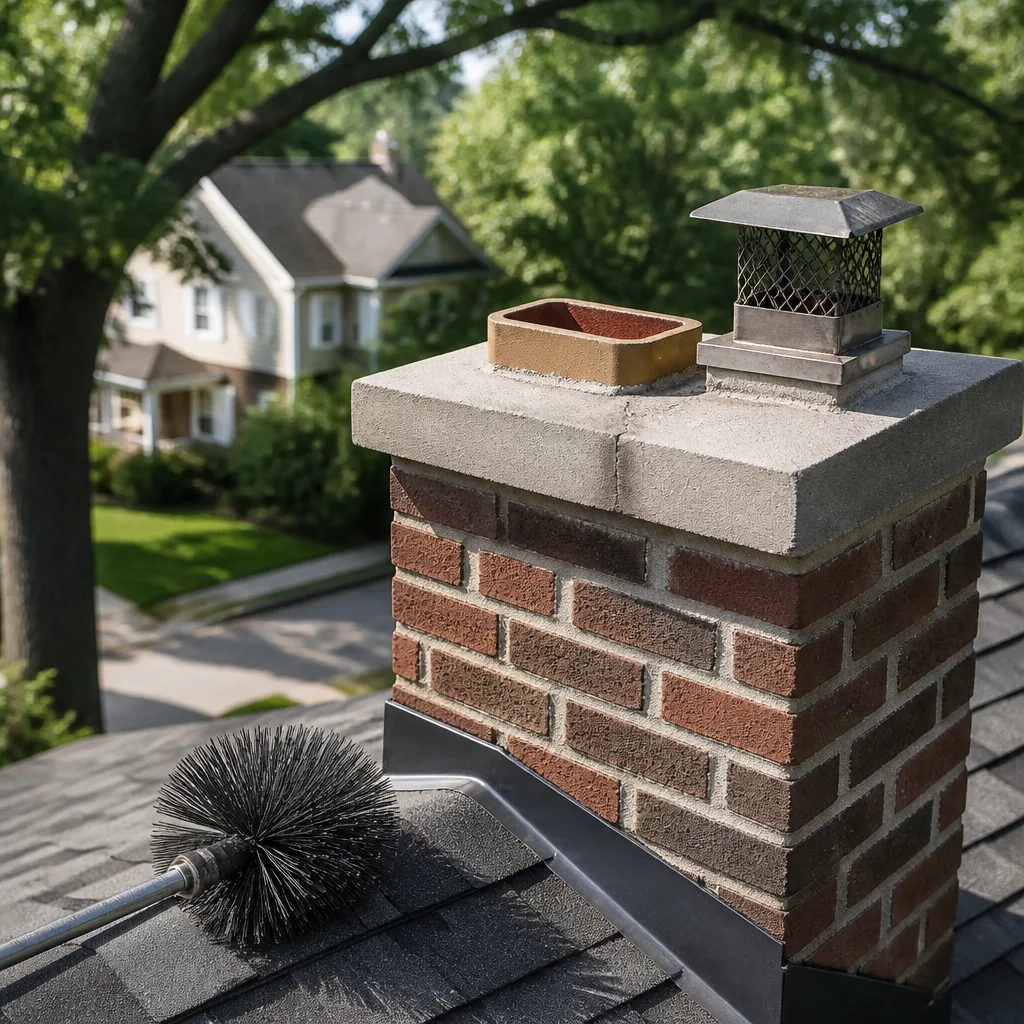 Sweep & inspection
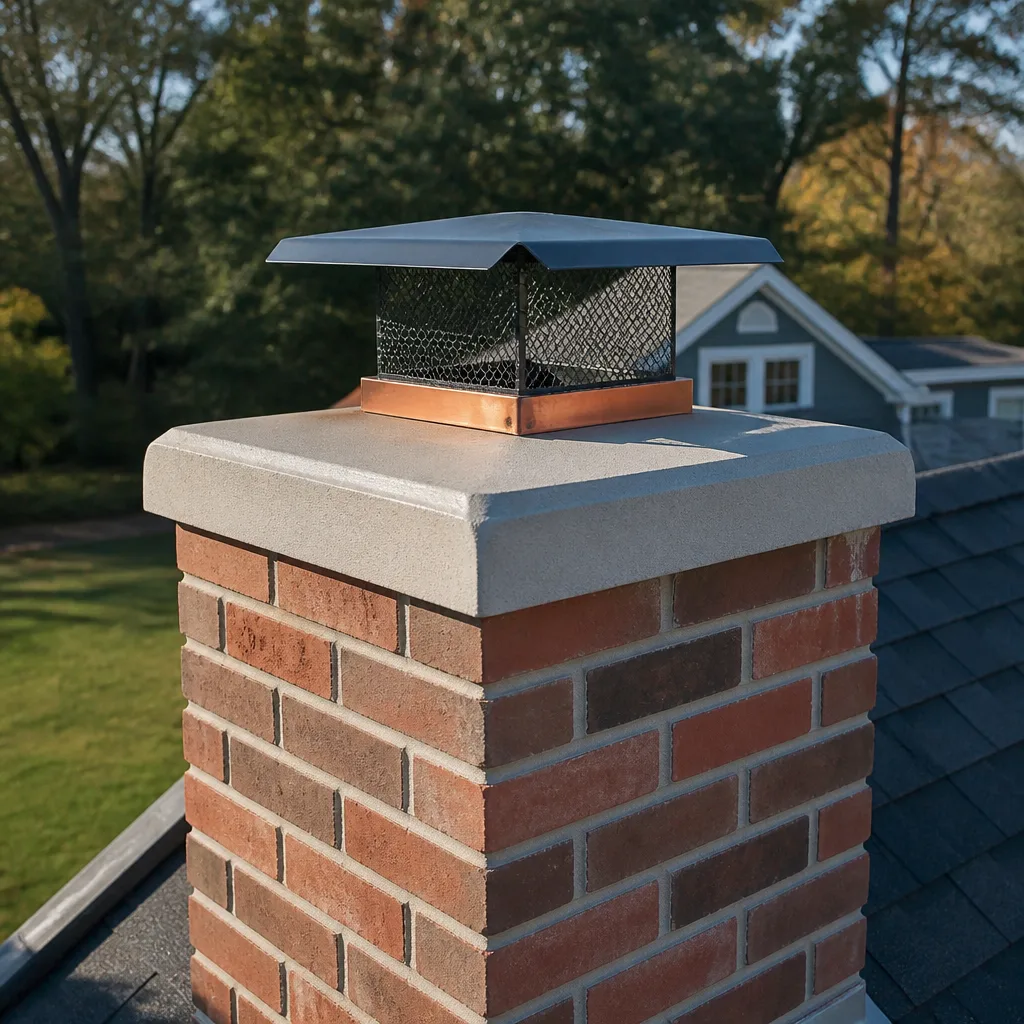 Caps & crowns
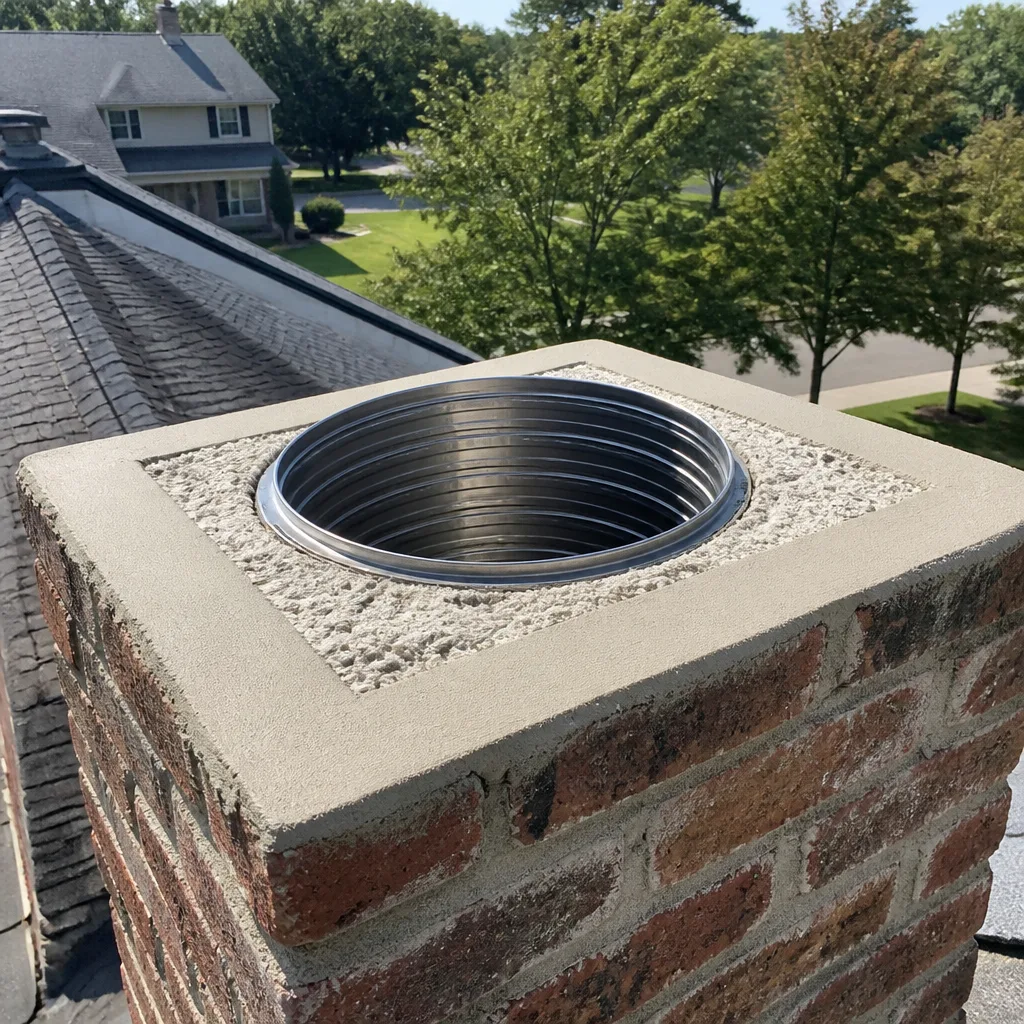 Flue relining
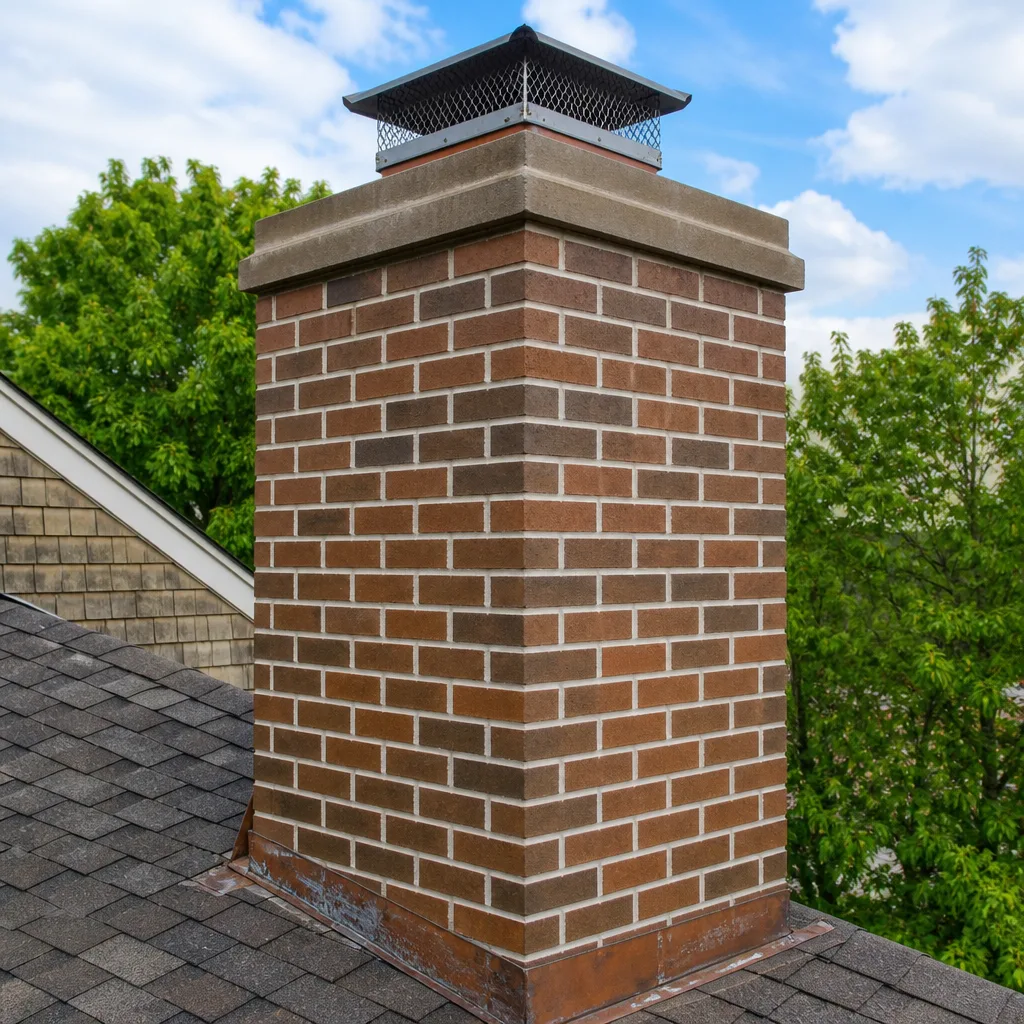 Masonry repair
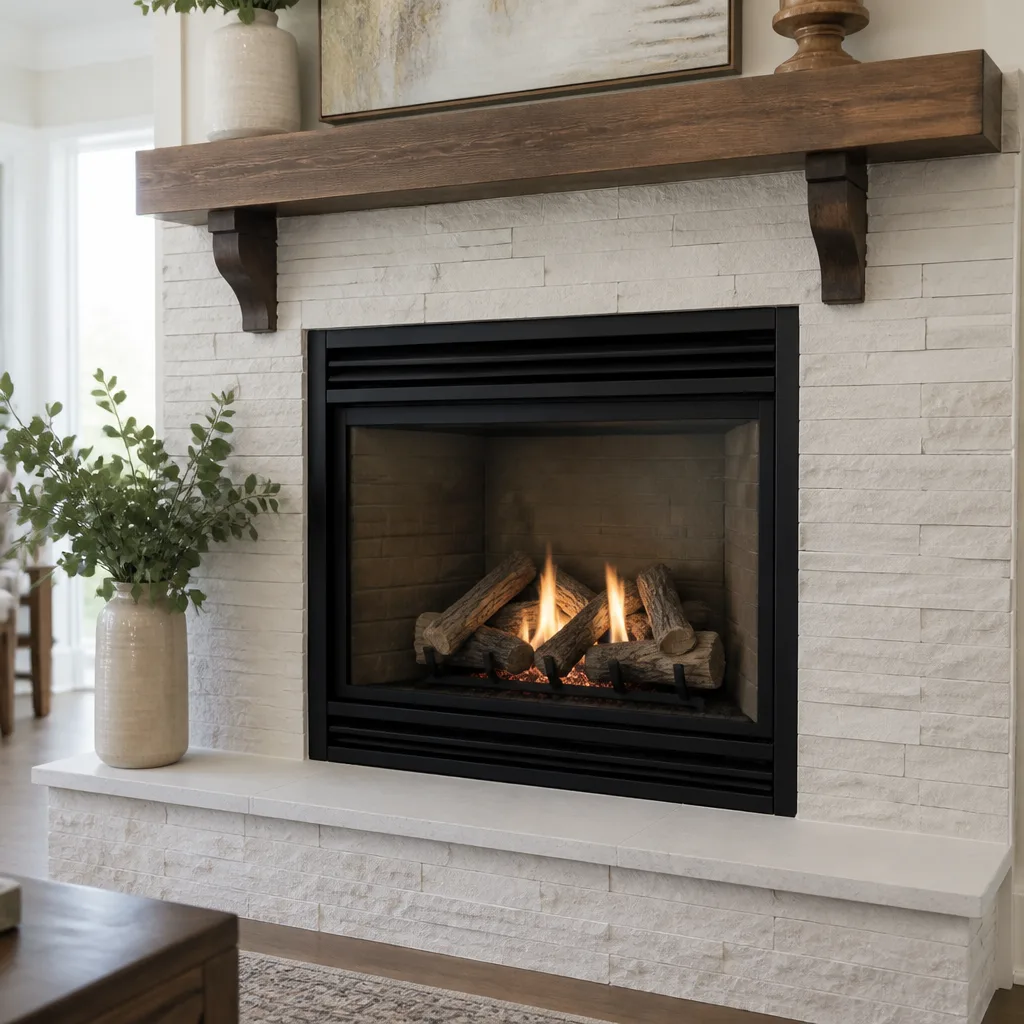 Gas fireplace service
Level 1 sweep and inspection to the NFPA 211 annual standard - flue, crown, cap, and flashing checked and photographed
Chimney sweep logs do not sweep chimneys. They loosen some creosote - which then falls where a brush and vacuum still have to collect it.
The Complete Guide to Chimney Cleaning in Victorville
Most chimney guides are written for the Mid-Atlantic or Pacific Northwest. Victorville gets 278 days of sun, wind gusts over 60 mph, and wildfire smoke seasons, and none of that appears in the advice most homeowners are reading. This guide is different. We’re going to walk through what actually happens inside a High Desert chimney, why Victorville’s climate creates conditions you won’t find in a generic how-to article, what a professional sweep should include, and how to know when your system needs more than a cleaning.
Styles & brands we work with
Quick Answer
Chimney cleaning in Victorville typically costs $149 to $350 depending on flue condition, creosote stage, and whether you have a wood stove, fireplace, or insert. For most High Desert homes, an annual sweep plus a Level 1 inspection is the right baseline, but homes that burn pine, live near wildfire zones, or have unlined masonry chimneys often need more frequent attention.
Table of Contents
- Why Victorville’s High Desert Climate Changes the Rules
- How Creosote Forms Differently in a Dry, Hot Climate
- Santa Ana Winds, Debris, and Backdraft Risk
- Wildfire Smoke and Liner Degradation
- What a Professional Sweep in Victorville Actually Includes
- Video Inspection vs. Visual-Only: What You’re Paying For
- The Whole-Home Fire Safety Picture: Chimneys and Dryer Vents
- What Homeowners Can Safely Check Themselves
- Common Mistakes to Avoid
- When to Call a Professional
- Frequently Asked Questions
- The Bottom Line
Why Victorville’s High Desert Climate Changes the Rules
Victorville sits at roughly 2,700 feet in the Mojave Desert, where summers push past 100°F and winters drop below freezing. That temperature swing alone puts stress on masonry that humid-climate chimneys never experience. Brick and mortar expand during the day and contract at night. Over ten or fifteen years, that cycle opens hairline cracks that let heat, sparks, and gases reach combustible framing. A chimney sweep in Victorville is not just removing soot. We’re evaluating a system that has been through hundreds of freeze-thaw and thermal cycles every single year.
Low humidity is another variable. The air in Victorville averages around 30% relative humidity, sometimes dropping into the single digits during Santa Ana events. Dry air means creosote doesn’t stay soft and tar-like the way it does in Seattle or Portland. It bakes hard and glossy on the flue wall. That changes what it takes to remove it. A stiff wire brush sometimes isn’t enough, and the wrong chemical treatment can make things worse. We’ll get into that below.
Then there’s the wind. Victorville’s position near the Cajon Pass and the Mojave River corridor means air moves through here with force. Chimney caps get damaged. Spark arrestors clog with wind-blown dust and tumbleweed debris. Flues that haven’t been used in months fill with fine sand that traps moisture against the flue wall. None of this shows up in generic chimney content because generic content isn’t written for the High Desert. That’s exactly why we put this guide together.
If you want the full picture of what a sweep in this area involves, our Chimney Sweep in Victorville page covers the service end step by step.
How Creosote Forms Differently in a Dry, Hot Climate
Creosote is the residue left behind when wood smoke cools and condenses on your flue wall. In humid climates, it often stays sticky and tarry for months. In Victorville, you’re more likely to encounter what the National Fire Protection Association calls third-degree creosote: a hard, shiny, baked-on glaze that looks like black glass. It forms because the outside air is so dry that the moisture in the smoke evaporates quickly, leaving behind concentrated unburned carbon. And once it’s glazed, it’s far harder to remove than the fluffy first-stage creosote that most DIY guides assume you’re dealing with.
Hard-baked creosote also changes how you should think about chimney fires. A small chimney fire in a humid area might burn off first-stage creosote harmlessly. The same event in Victorville can superheat glazed deposits to the point where they ignite with intensity, sending intense heat through already-stressed masonry. We’ve inspected flues where the creosote looked smooth and stable from the top, but video scanning showed hairline fractures behind it. That’s the difference between what you can see and what’s actually there.
Wood choice matters more here than most people realize. Victorville has easy access to pine and juniper firewood, both of which produce higher resin content than oak or almond. Resinous wood burns hot, but it also produces more creosote by volume. If you’re burning pine regularly, especially pine that hasn’t cured for twelve months, you’re building deposits faster than the national average would suggest. That’s not a reason to panic. It’s a reason to stick to a consistent sweep schedule and have the flue evaluated by someone who understands this climate.
For homes with older masonry chimneys, creosote can also mask underlying brick spalling. Once we remove the deposits, we often expose mortar joints that were essentially held together by baked creosote. That’s a repair issue, not a cleaning issue, and it’s one reason we always evaluate the flue after a sweep, not just before. If you’re seeing signs of masonry deterioration, our Chimney Repair in Victorville page explains what’s involved.
Santa Ana Winds, Debris, and Backdraft Risk
Santa Ana winds are part of life in Victorville. They arrive in the fall and winter, bringing sustained gusts of 30 to 40 mph with peak bursts above 60 mph. For a chimney, that’s not just an inconvenience. It’s a direct mechanical force pushing down your flue, and it interacts with your home’s internal air pressure in ways that can push smoke back into the living space. This is called backdrafting, and it’s more common in Victorville than in calmer coastal communities.
Here’s what happens. When a Santa Ana builds, the wind creates negative pressure on the roof, especially on the leeward side. If your home also has exhaust fans running, or if the flu is cold and full of dense air, the chimney stops drawing upward. Smoke follows the path of least resistance, which can mean your living room. A properly sized chimney cap and a flue that’s been kept clean reduce this risk. A clogged or partially blocked flue makes it dramatically worse.
Wind also delivers debris. In Victorville, that means tumbleweed, creosote bush branches, Joshua tree fronds, and fine Mojave dust. Even with a cap installed, dust makes it through. Layer after layer of wind-blown silt settles inside the flue. Then the first fire of the season heats that dust, and it bakes onto the creosote film left from the previous winter. The result is a dense, abrasive layer that’s difficult to brush off without professional rotary tools. If you’ve ever lit a fire in November and noticed a burning-dust smell that lasted longer than a few minutes, that’s what you’re dealing with.
One practical step for Santa Ana season: check your chimney cap after any wind event over 50 mph. Cap damage is common, and a missing or shifted cap lets birds, rodents, and actual tumbleweed inside. We’ve removed entire bird nests from Victorville flues that showed no exterior sign of entry other than a cap that had rotated out of position. If you’re not comfortable getting on the roof, that’s a job for a professional. The safety risk of a ladder on wind-damaged roof tiles is exactly the kind of thing we’d rather handle for you.
Wildfire Smoke and Liner Degradation
Victorville sits in a region that experiences wildfire smoke nearly every year, whether from the San Bernardino National Forest, the Cajon Pass, or larger fires further north. Smoke from wildfires is chemically different from ordinary wood smoke in your fireplace. It contains heavier particulates, fine ash, and combustion byproducts from structural materials that have burned, not just trees. When that smoke sits in your chimney for days or weeks at a time, it deposits a film that’s more acidic than standard creosote.
For homes with clay tile liners, which are common in Victorville’s older housing stock, that acidic residue accelerates spalling. Spalling is when the interior surface of the tile flakes off in thin layers. It starts as a cosmetic issue, but it progresses to structural weakness in the liner itself. Once a clay liner loses its smooth interior face, creosote has more surface area to grab, and the liner becomes more susceptible to cracking from thermal stress. A video inspection after a severe wildfire smoke season can show you exactly what state your liner is in, whether it’s clay, stainless, or a factory-built system.
This is where the professional-grade materials conversation matters. When a liner has deteriorated to the point that it’s no longer safe, you have two basic options: full replacement or resurfacing. Resurfacing with a product like HeatShield is a less invasive alternative that can restore the smooth, fire-resistant interior surface without tearing out the existing flue. It’s not the right solution for every chimney, but it’s one of the more technically advanced tools available, and it’s a reason to work with a company that does actual chimney repair rather than a sweep-only operation that will tell you there’s a problem and then refer you elsewhere. The Pilgrim Chimney home page has more on our full service scope.
Wildfire smoke also settles on homes in ways that have nothing to do with the chimney. It coats the entire property, including dryer vents. When you run your dryer after a smoke event, that fine ash can collect on the lint trap and inside the vent run, where it mixes with lint and becomes a fuel source. It’s one more reason we treat chimney cleaning and dryer vent cleaning as part of the same fire-safety picture in Victorville.
What a Professional Sweep in Victorville Actually Includes
A professional chimney sweep is not a guy with a brush who shows up for twenty minutes and hands you an invoice. At least, it shouldn’t be. Here’s what a proper sweep in Victorville should involve, based on what we do on every job we book.
Step 1: Site Preparation and Protection
The sweep starts before any tools touch the fireplace. We lay drop cloths from the entry door to the hearth, seal off the fireplace opening with a containment shield, and run a HEPA vacuum throughout the process. Your home should be as clean after the sweep as it was before. If a company doesn’t mention containment, ask them directly how they protect your floors and air quality.
Step 2: Dry Removal of Surface Deposits
We remove the bulk of the creosote and soot first, using brushes sized to your specific flue dimensions. For standard masonry chimneys with clay liners, that means polypropylene brushes. For stainless steel liners, which are more common in Victorville homes that have been relined, we use brushes that won’t scratch the interior surface. Scratches on stainless create the same rough texture that accelerates future creosote buildup.
Step 3: Glaze Treatment Where Needed
If the creosote is in the glazed third-degree stage, a brush alone won’t remove it. In those cases, we use a professional-grade chemical treatment that breaks down the glaze over a period of days, then return to complete the mechanical cleaning. This is a two-visit process, and it’s one of the reasons a flat-rate national sweep price can be misleading. A glazed flue in Victorville costs more to clean than a first-stage flue, because it requires more labor and more time.
Step 4: Inspection of the Flue Interior
After the cleaning, we run a video scan through the full length of the flue. This isn’t a sales gimmick. It’s the only way to actually see the condition of the liner, the mortar joints, and the smoke shelf. You should be shown the footage and given a plain-language explanation of what’s in there. If a sweep company doesn’t offer video inspection, you’re paying them to work blind.
Step 5: Report and Recommendations
You leave every sweep with a written report covering what we found, what we removed, and what our recommendations are, if any. That report should separate urgent safety issues from maintenance items that can wait. If a company tells you everything needs immediate attention, get a second opinion. If a company tells you nothing needs attention and won’t show you the video, that’s also a red flag. Honesty goes both directions.
Video Inspection vs. Visual-Only: What You’re Paying For
The difference between a visual inspection and a video inspection is the same difference between looking at a house from the street and walking through every room. A visual inspection from the roof shows you the top of the flue and maybe the first few feet down. It tells you almost nothing about the middle of the chimney, which is where most liner damage actually happens.
Video scanning puts a camera inside the flue and records the full length from top to bottom. We use it on every sweep we perform in Victorville, not just on repair jobs. Why? Because flue damage in this climate often starts invisibly. Thermal cycling opens thin cracks in clay tiles that a top-down look will never catch. Those cracks then widen over repeated heating seasons, until one day they’re large enough to pass heat directly into the chimney chase or surrounding framing. By the time a visual inspection finds that, you’re well past maintenance and into expensive repair. Video scanning catches it early.
We also use our inspection equipment to verify the integrity of the smoke shelf, the damper seat, and the flue connection at the appliance. These are the areas where debris accumulates and where clearances matter most. For homes with factory-built chimneys, we’re checking that the pipe sections haven’t separated and that the termination cap is still properly seated after years of Santa Ana wind exposure.
If you’re considering a home in Victorville with an existing fireplace, or you’ve just moved in and don’t know the chimney’s service history, a Level 2 video inspection is the right starting point. It gives you a true baseline. You’ll know whether you’re working with a clean, sound flue or something that needs attention before you light the first fire.
The Whole-Home Fire Safety Picture: Chimneys and Dryer Vents
Most people treat chimney cleaning and dryer vent cleaning as separate chores, handled by separate companies on separate schedules. From a fire-safety perspective, they’re the same job. Both are enclosed exhaust pathways that carry heat, particulate, and flammable residue away from your living space. Both fail silently when they’re not maintained. And both are leading causes of residential fires in Victorville and across the country.
We built Pilgrim Chimney around this overlap deliberately. When we’re at a home in Victorville for a sweep, we can evaluate the dryer vent run in the same visit. The reasons are practical: dryer vents and chimney flues often share wall cavities, especially in split-level and two-story homes from the 1980s and 1990s that are common in this area. A blocked dryer vent can push lint and heat through a chase that’s already carrying a warm chimney flue. That’s a compounding heat load that neither system was designed for.
We also see lint accumulations that are directly tied to Victorville’s dust. Dry, powdery Mojave soil finds its way into dryer vents through the exterior discharge hood, where it mixes with lint and creates a denser, more compacted blockage than lint alone. The same Santa Ana winds that push debris into your chimney also blow dust into your dryer vent. If you only clean one side of that equation, you’re leaving the other half of the risk in place. Our Dryer Vent Cleaning in Victorville page covers that service in more detail.
What Homeowners Can Safely Check Themselves
We’re not going to tell you to climb on your roof. That’s the kind of advice that sends people to urgent care, and a Victorville roof in January is cold, dusty, and often wind-scoured. There are, however, real things you can check from the ground and from inside the house that will tell you whether it’s time to book a sweep.
Indoor Checks (Safe from the Ground)
- Look up into the firebox with a flashlight. If you see thick, shiny black glaze on the walls above the damper, that’s third-degree creosote. Book a sweep before another fire.
- Close the damper and feel for a draft. If air is moving into the room with the damper closed, you’re losing conditioned air and may have damper-seating problems. A damper that won’t seal also lets debris and smoke residue settle faster.
- Check for white or gray efflorescence on the exterior brick. That chalky residue means moisture is traveling through the masonry. In Victorville’s dry climate, it can indicate water intrusion from a failed cap or flashing. It’s not something to ignore.
- Note any unusual smells after rain. A wet, smoky odor after a rare High Desert rain often points to water getting inside the flue. Water plus creosote creates acidic residues that damage liners faster than dry heat alone.
What You Should Not Attempt
We want to be direct here because the injury risk is real. Do not attempt to clean a chimney from the roof yourself. The leading cause of chimney-related emergency room visits isn’t chimney fires, it’s ladder falls and tool-related injuries from untrained work at height. Do not use chemical creosote removers without knowing what stage of creosote you’re treating; the wrong product on glazed creosote can produce fumes or result in incomplete removal that wedges debris further into the flue. And do not burn out creosote intentionally. A controlled chimney fire is a myth. Once a flue ignites, it’s not under your control, and in a Victorville home with Santa Ana winds, the resulting fire can spread to the roof faster than the fire department can respond.
Common Mistakes to Avoid
- Skipping the sweep because you only burn occasionally. Even a fireplace used four or five times a year builds creosote. Victorville’s dry air bakes that thin film into glaze that’s harder to remove than the thicker, softer deposits you’d find in a wetter climate. The fire you lit in December left residue that will still be there next November.
- Burning pine that was cut last month. Green pine is the single biggest creosote producer you can put in a Victorville fireplace. It has high resin content and high moisture content, and burning it creates a thick, tarry smoke that deposits heavily on flue walls. Cure wood for a full year, and check it with a moisture meter if you’re serious about burning clean.
- Treating chimney sweeping as a DIY weekend project. Professional sweeps use rotary tools, containment systems, and video inspection equipment that aren’t available at hardware stores. The money saved on a DIY attempt usually gets spent on cleanup, and the inspection value is lost entirely.
- Ignoring the chimney cap after wind storms. A damaged or missing cap is the entry point for birds, rodents, debris, and rain. In Victorville, where wind events are regular, cap damage accumulates. Check it after any storm over 50 mph, or have us do it as part of your annual sweep.
- Assuming a gas fireplace doesn’t need maintenance. Gas logs produce less creosote than wood, but they still deposit sulfur-based residue and can develop faulty venting. Carbon monoxide risk is real, and vented gas logs in Victorville homes need inspection just as regularly as wood systems.
- Waiting until something visibly breaks. By the time you see smoke spilling into the room or water staining the ceiling, the problem has been developing for months or years. Annual inspection catches things early, when the fix is measured in hundreds of dollars rather than thousands.
When to Call a Professional
Call a chimney professional if you notice smoke entering the room during use, a strong smoky odor even when the fireplace is cold, visible flue damage from the ground, white staining on exterior brick, or rust on the damper assembly. If you’ve just purchased a home in Victorville and have no service history for the chimney, that’s another reason to schedule an inspection before your first fire. And if a Santa Ana event has damaged or dislodged your chimney cap, don’t wait until burning season to get it addressed. Pilgrim Chimney offers free estimates in Victorville, call (866) 253-5031.
Frequently Asked Questions
A standard chimney sweep in Victorville generally runs between $149 and $350, depending on the type of system, the creosote stage, and whether video inspection is included. Homes with glazed third-degree creosote, which is common in this dry climate, often cost more because the removal process requires chemical treatment and a second visit. Your estimate should always be based on an actual inspection, not a phone quote without seeing the flue. Call (866) 253-5031 for a free estimate specific to your chimney.
The general standard is once per year for wood-burning fireplaces that see regular winter use. But Victorville’s conditions argue for being more conservative. If you burn pine, if you use the fireplace more than three times a week during the winter, or if you’ve had wildfire smoke settle in your area, twice-yearly sweeping may be warranted. The safest way to know is to have the flue evaluated after one burning season and let the video evidence guide the schedule.
Sometimes you do need a new liner, and sometimes you don’t. The only way to know is to see the video inspection footage yourself. A liner with minor surface spalling can often be repaired or resurfaced. A liner with large cracks, missing sections, or visible gaps at the joints is a genuine hazard that requires replacement. At Pilgrim Chimney, we don’t recommend liner work unless we can show you the footage and explain exactly what the risk is. If another company recommends a liner without video, ask to see it.
Creosote builds up, and in Victorville’s low humidity it hardens into a dense, flammable glaze. Eventually the flue narrows, draft weakens, and smoke starts spilling into the room. Then a stray spark or ember reaches the creosote layer, and a chimney fire starts. Even a small chimney fire can crack clay liners, ignite roof materials, and spread into the home. The costs of repairing that damage far exceed the cost of a decade of annual sweeps.
Generally, no. Santa Ana winds create backdraft conditions that can push smoke and carbon monoxide back into your living space, especially if your flue is cold or your home is tightly sealed. Even with a properly functioning chimney, a 50 mph gust can overwhelm normal draft. The safer choice is to wait until the wind warnings pass. If you’re seeing smoke spill back during moderate wind, that’s a draft problem worth investigating.
Yes, and it’s a practical way to cover two fire risks in one appointment. Chimney flues and dryer vents are both enclosed exhaust pathways that fail silently when they’re not maintained. Pilgrim Chimney offers dryer vent cleaning alongside chimney service, so you don’t need to schedule a second company or take a second day off work. Call (866) 253-5031 to ask about bundling the two services.
The Bottom Line
Victorville’s High Desert climate means your chimney is working under conditions that most generic guides never account for. Dry, hot air bakes creosote into hard glaze. Santa Ana winds push debris, wreck caps, and create backdraft risks. Wildfire smoke adds acidic residue that eats at clay liners. The right response is a consistent, professional sweep schedule, a video inspection every year, and a willingness to handle repairs early, when they’re still small. And because your chimney isn’t the only fire risk in the house, consider whether your dryer vent is due for the same attention. One call covers both.
Ready to schedule your sweep or ask a question about your chimney? Call Pilgrim Chimney at (866) 253-5031 for a free estimate in Victorville and the surrounding High Desert communities.
Written by the team at Pilgrim Chimney, serving Victorville since 2014.
See the difference
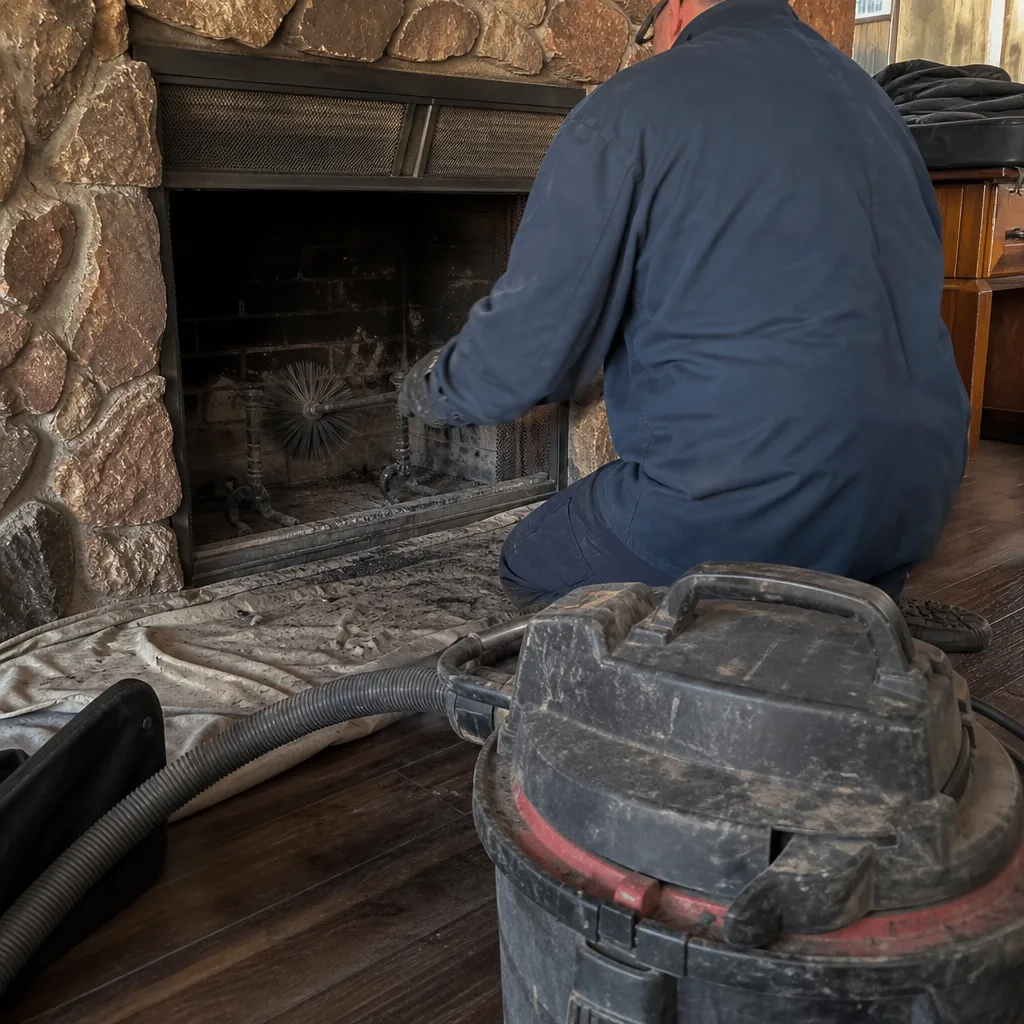 Before
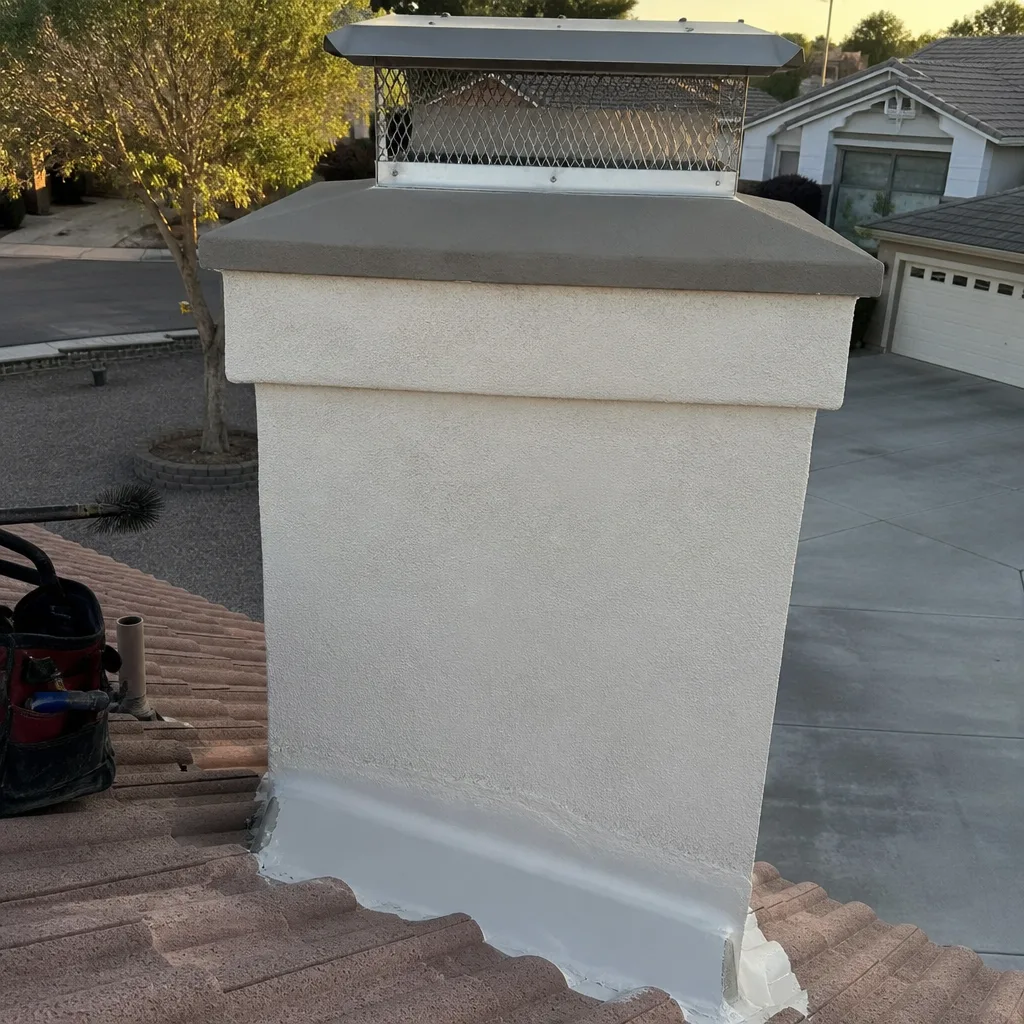 After
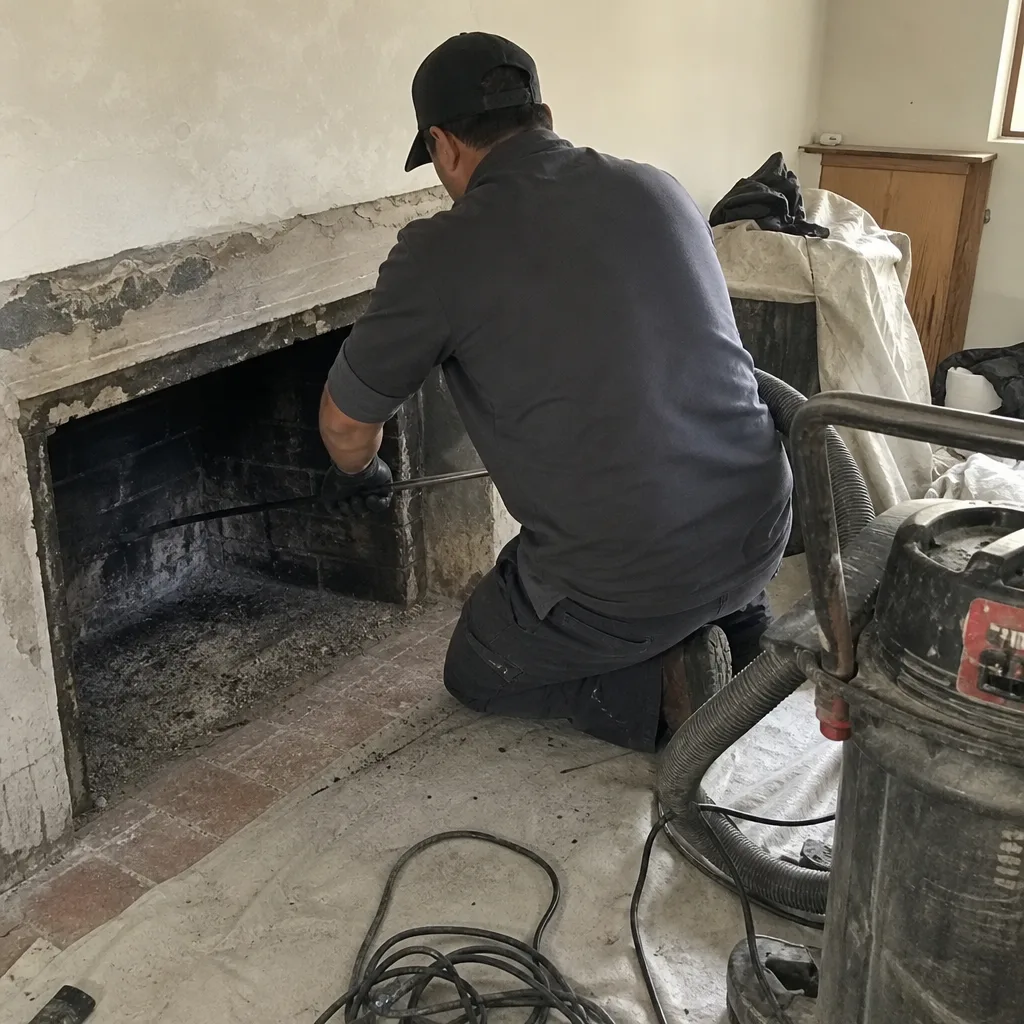 Before
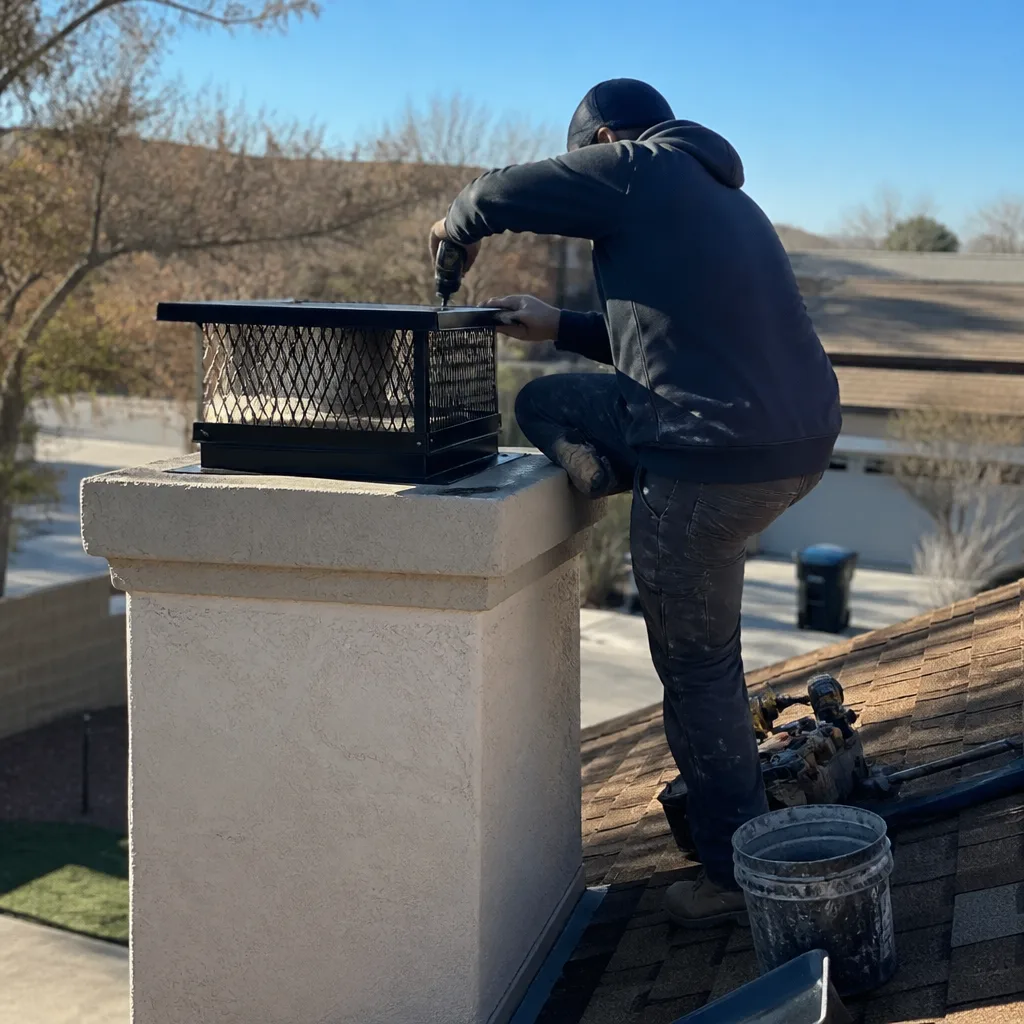 After
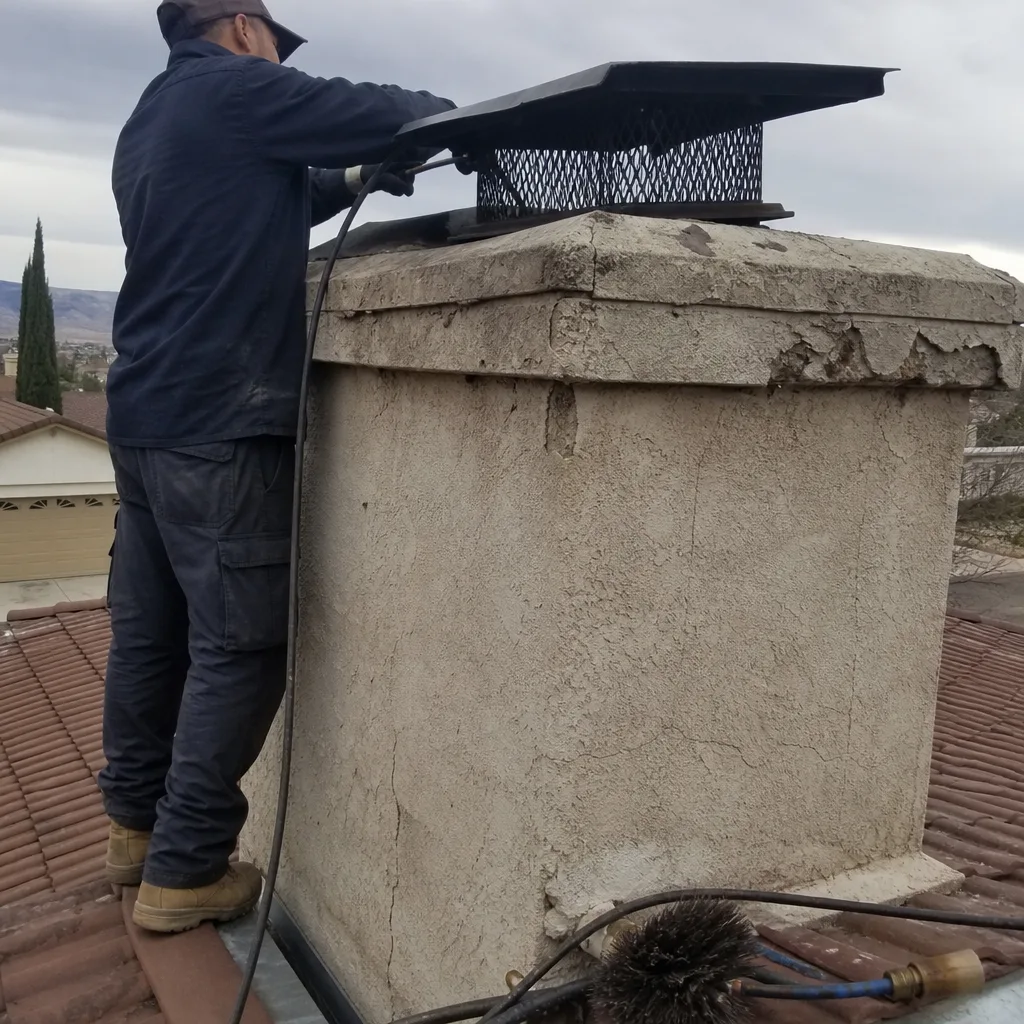 Before
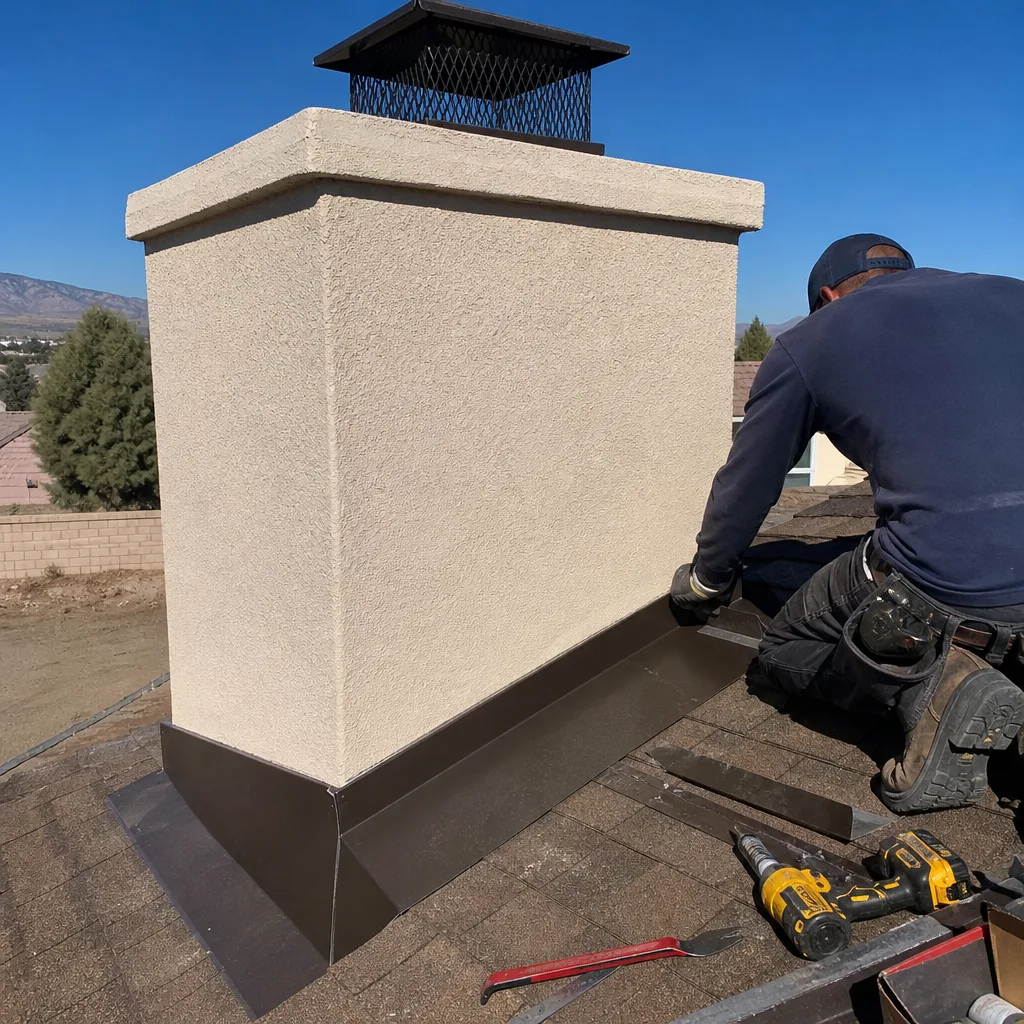 After