Last updated October 30, 2026
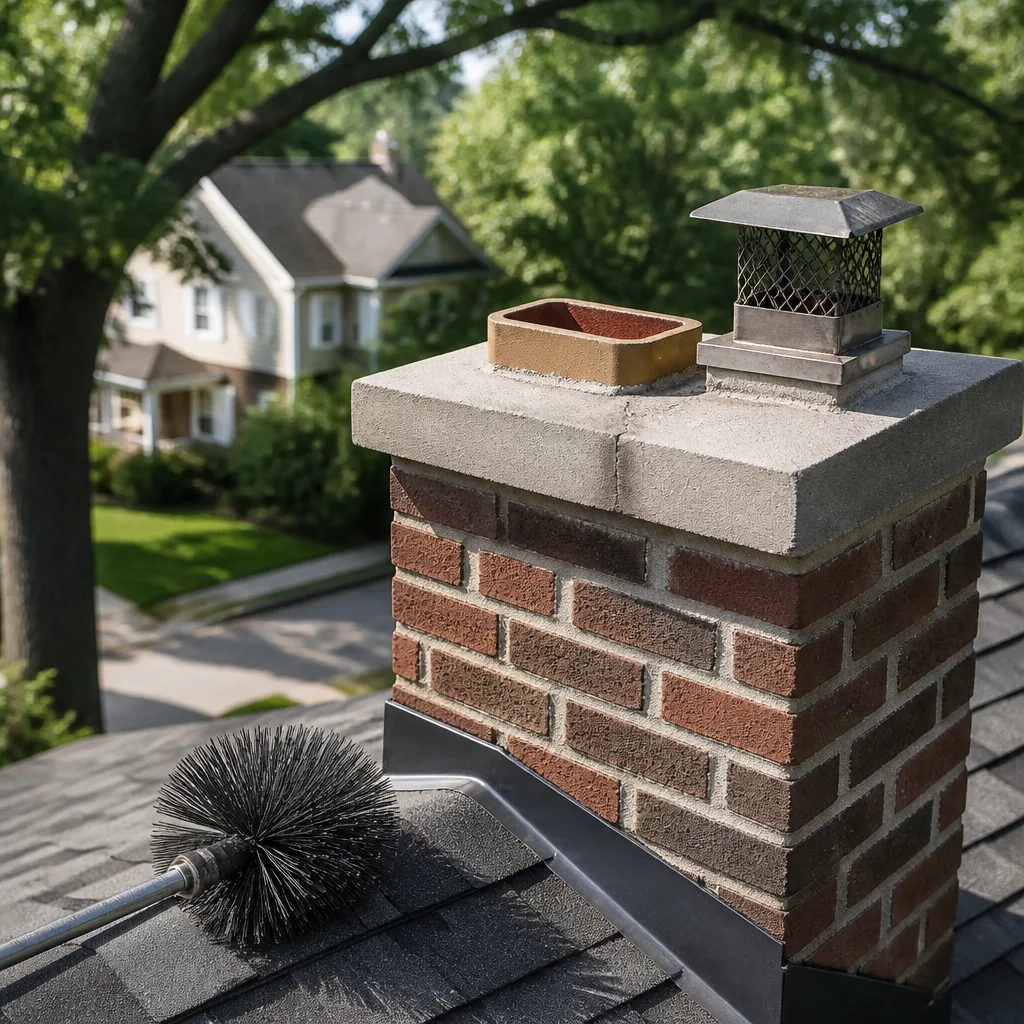 Sweep & inspection
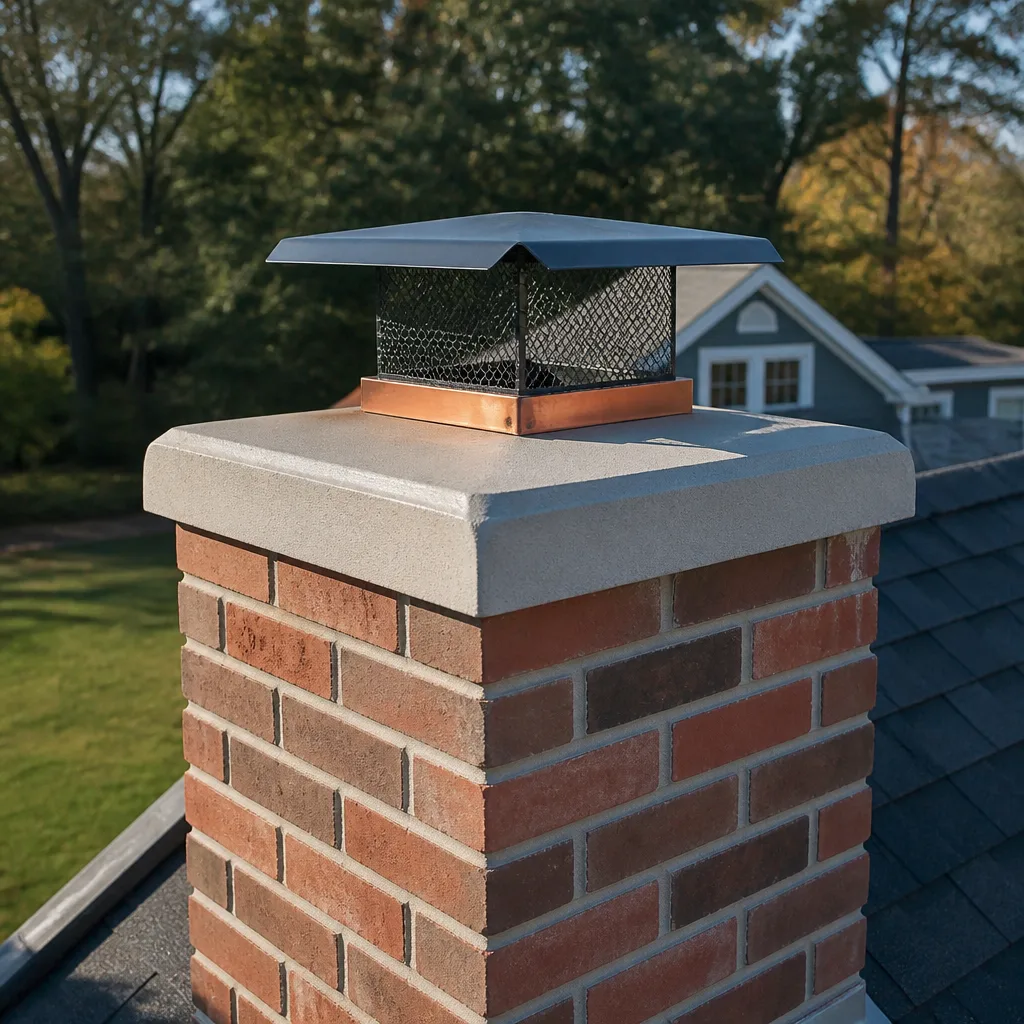 Caps & crowns
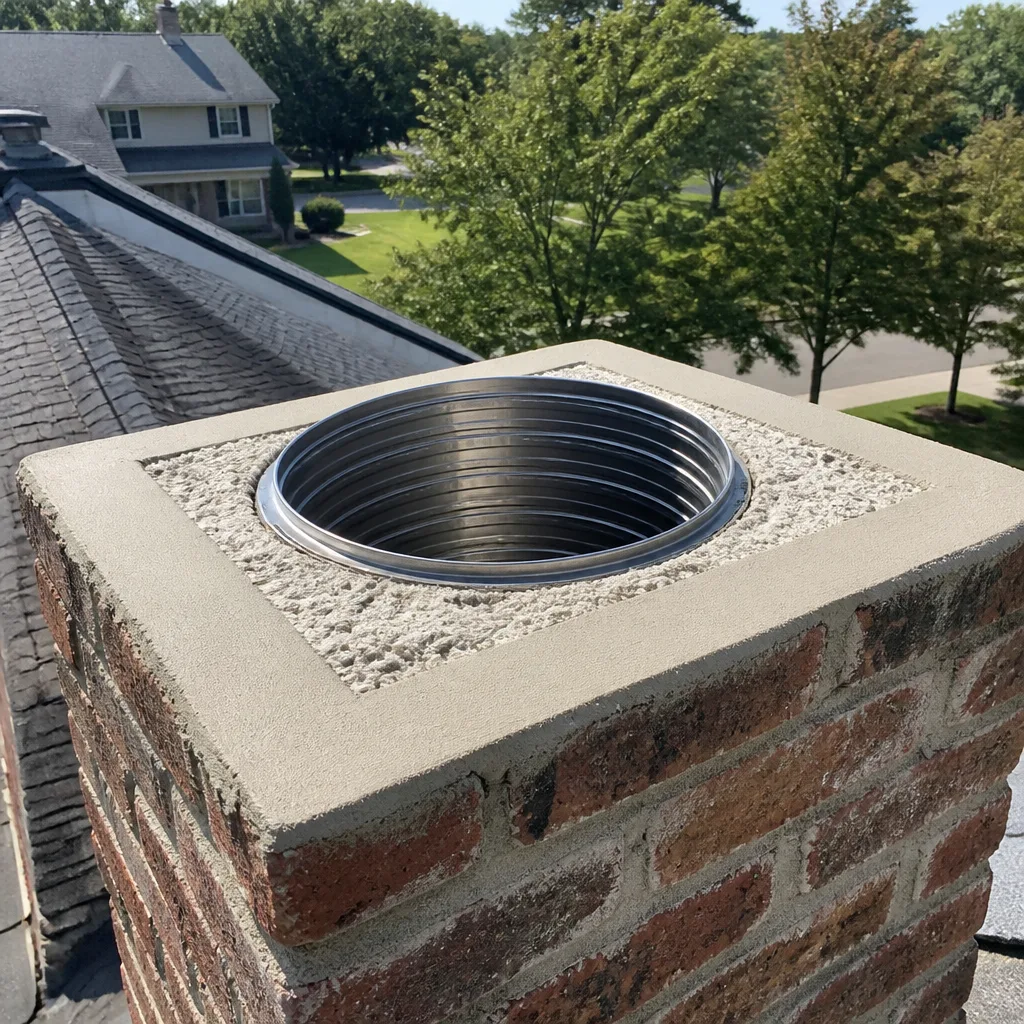 Flue relining
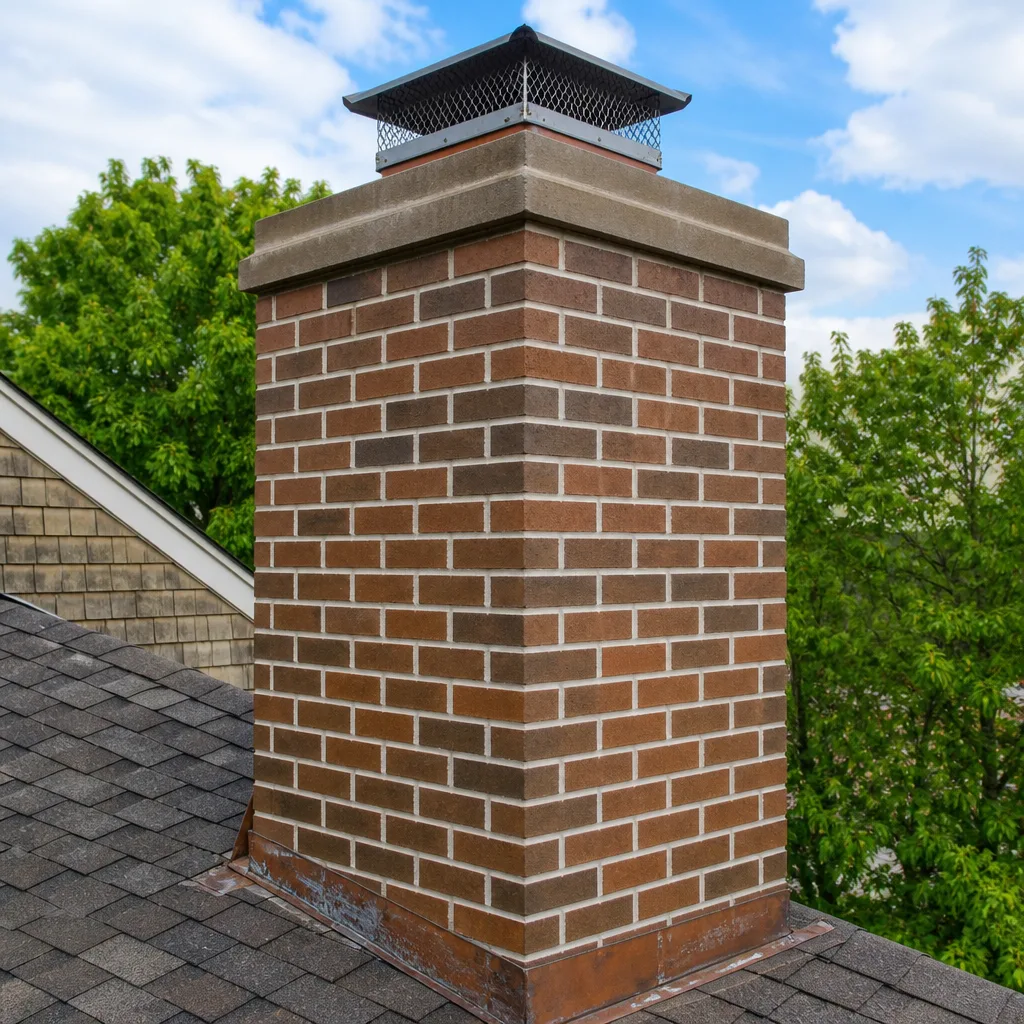 Masonry repair
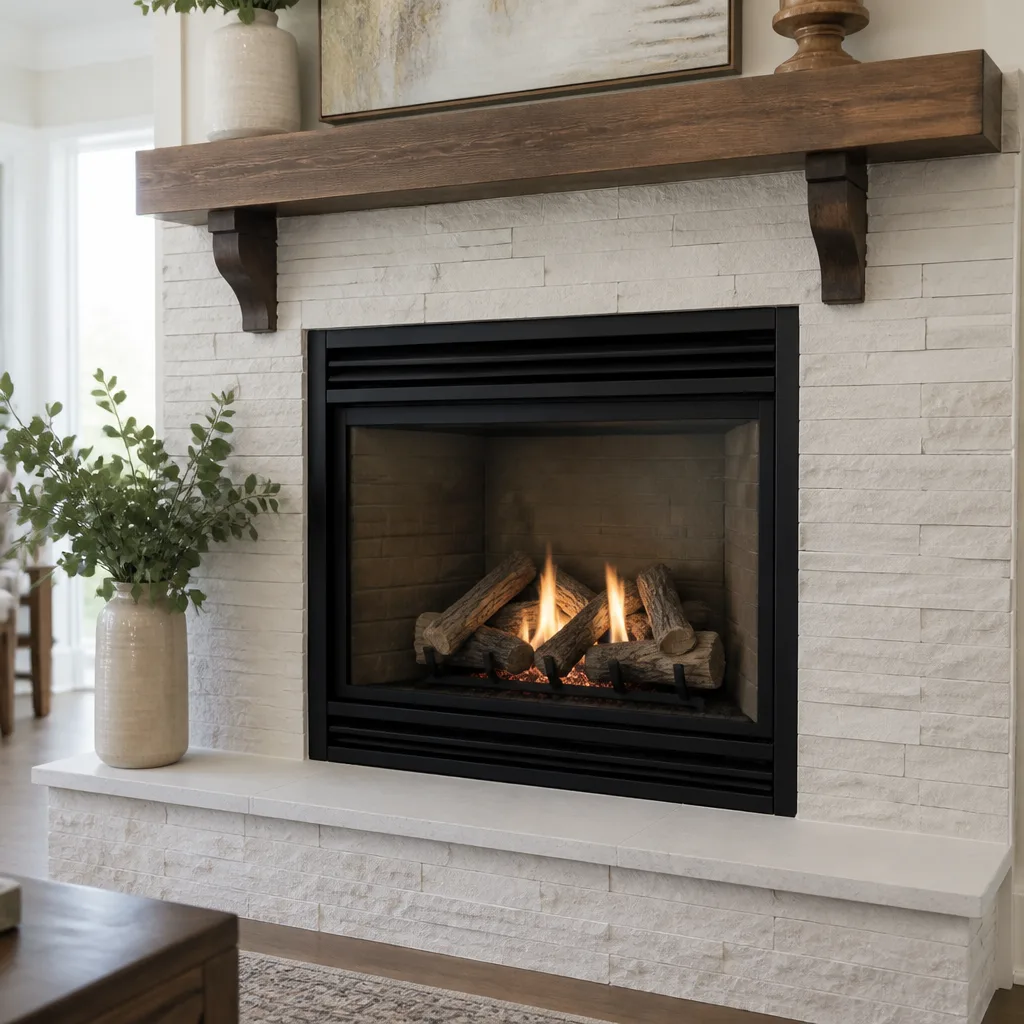 Gas fireplace service
Level 1 sweep and inspection to the NFPA 211 annual standard - flue, crown, cap, and flashing checked and photographed
Chimney sweep logs do not sweep chimneys. They loosen some creosote - which then falls where a brush and vacuum still have to collect it.
How to Hire a Chimney Cleaning Contractor in Victorville: A Step-by-Step Guide
Every October, the High Desert cools just enough for Victorville homeowners to light the first fire of the season, and that first fire is often the one that exposes a summer’s worth of neglect. The phones start ringing at every chimney company in the Victor Valley, and that’s precisely when the unlicensed operators materialize: handymen with a borrowed brush and a Craigslist ad, charging sixty dollars and leaving creosote smeared across your hearth. The difference between that guy and a trained technician isn’t always obvious on a website or a door hanger, but it shows up immediately in the flue. This guide will walk you through exactly how to separate the two, what questions to ask before you book, and why the cheapest quote is usually the most expensive mistake you’ll make this year.
Styles & brands we work with
Quick Answer
To hire a legitimate chimney cleaning contractor in Victorville, verify that the company has a real local address in the High Desert, confirm CSIA certification for at least the lead technician, require a written scope of work that includes a Level 1 inspection before any sweeping begins, and ask what specific equipment and materials they use. Avoid cash-only operators with no physical presence, and always get proof that the person on your roof is trained to recognize structural issues, not just remove soot. A proper sweep and inspection in the Victor Valley should take 45 to 90 minutes, never 20.
Table of Contents
- Why the Victorville Market Attracts Unlicensed Operators
- What CSIA Certification Actually Means (and What It Doesn’t)
- Why a Level 1 Inspection Must Precede Every Sweep
- Questions to Ask Before You Book
- High Desert Red Flags: Warning Signs Specific to Victorville
- Why Equipment and Materials Matter: Brand-Grade vs. Hardware-Store
- Evaluating the Whole-Home Fire-Safety Approach
- The Step-by-Step Hiring Process
- Common Mistakes to Avoid
- When to Call a Professional
- Frequently Asked Questions
- The Bottom Line
Why the Victorville Market Attracts Unlicensed Operators
The High Desert has a particular rhythm that seasonal opportunists know well. Victorville sits at 2,700 feet of elevation, which means nights drop below freezing from November through March, and wood-burning fireplaces get heavy use in neighborhoods like Spring Valley Lake, Eagle Ranch, and the older homes along Hesperia Road. That concentrated burn season creates a predictable surge in demand, and that surge creates a market for anyone who can hold a brush—read our Seasonal Chimney Cleaning Care for Victorville: Year-Round Homeowner’s Guide to stay ahead of it.
Licensed, established chimney companies in Victorville maintain a physical presence year-round: a shop, a phone line answered by a person, a permit history, a trail of past customers. The seasonal operators have none of that. They work from a cell phone, take cash or payment apps, and disappear by April. By the time a homeowner realizes the sweep was incomplete or the “repair” was a bead of silicone caulk, the number is disconnected.
This isn’t a hypothetical we’re describing from a training manual. We’ve walked into Victorville homes where a previous “sweep” had simply vacuumed the firebox and wiped the damper frame, leaving the flue untouched above the smoke shelf. In one case in the Spring Valley Lake area, the homeowner had paid for a full cleaning and the creosote buildup in the upper flue was still thick enough to peel off in sheets. The brush never touched it. That’s what a sixty-dollar sweep buys you in this market.
The point isn’t that every new or small chimney company is untrustworthy. The point is that Victorville’s seasonal demand draws a specific type of operator who counts on homeowners not knowing what a real sweep looks like from the inside. The rest of this guide gives you the tools to know.
What CSIA Certification Actually Means (and What It Doesn’t)
The Chimney Safety Institute of America (CSIA) is the recognized credentialing body for chimney technicians in the United States. A CSIA-certified sweep has passed a written examination covering fire codes, clearances, construction standards, and inspection procedures. The certification requires continuing education credits to maintain, which means a certified technician has been exposed to current code changes and installation standards within the last three years. That’s the part most homeowners never hear: certification isn’t permanent. It expires if the technician stops learning.
Here’s what CSIA certification does not mean. It does not mean the company itself is certified, only the individual technician. It does not mean the technician is licensed as a contractor in California, which is a separate requirement governed by the Contractors State License Board. It does not mean the company carries liability insurance or workers’ compensation. And critically, it does not mean the person on your roof actually did the work under their own certification, because in some companies the certified tech signs off while uncertified employees run the jobs.
When you call a chimney service in Victorville, ask this exact question: “Which technician will be on my roof, and is that person CSIA-certified?” Write down the name. If the answer is vague, or if the company says “we’re certified” without naming a person, treat that as a red flag. A legitimate operator will tell you without hesitation.
The certification matters because a certified technician is trained to recognize what a fireplace is supposed to look like on the inside. That includes proper flue tile alignment, damper function, smoke chamber geometry, and clearance-to-combustibles violations. An uncertified handyman with a brush can make a chimney look clean without ever recognizing that the flue is spalling or that the smoke chamber was built incorrectly forty years ago. Those are the conditions that lead to house fires, and they’re invisible to someone who doesn’t know what they’re looking at.
We hold our own technicians to this standard because we’ve seen the alternative. The Pilgrim Chimney home philosophy is simple: if we’re going to put our name on a sweep, the person doing the work has to be qualified to identify every problem in that flue, not just the soot.
Why a Level 1 Inspection Must Precede Every Sweep
The single most telling question you can ask a prospective chimney company in Victorville is: “Does your sweep include a Level 1 inspection?” If the answer is anything other than an immediate yes, hang up and call someone else.
Here’s why. The National Fire Protection Association (NFPA 211) establishes three levels of chimney inspection. A Level 1 inspection is the minimum standard for a chimney that is being swept as part of routine maintenance, meaning the appliance and venting system haven’t changed since the last inspection. It requires the technician to examine all readily accessible portions of the chimney: the firebox, damper, smoke chamber, flue liner interior, chimney exterior, and clearances to combustibles. It’s not optional. It’s the baseline.
A sweep that skips the Level 1 inspection is a cleaning, not a service. The technician might as well be washing a car without checking the brakes. The cleaning removes the creosote, but the inspection is what tells you whether the chimney is safe to burn at all. A flue with cracked tile liners will look clean after a sweep. It will also dump heat and combustion gases into the framing of your home, which is how chimney fires that “couldn’t happen” actually happen.
In our experience serving Victorville homes, the Level 1 inspection is where most of the real problems surface: deteriorating mortar joints in older brick chimneys, rusted dampers, improper flue sizing for the fireplace opening, and smoke chamber corbeling that was never right from the day it was built. Some of these are fixable same-day. Some require a camera inspection to fully diagnose. All of them matter more than the soot on the firebox walls.
When you’re comparing quotes, ask for a written scope that lists “Level 1 inspection” as a line item. If the quote doesn’t mention it, the company is either cutting corners or doesn’t know the standard. Neither is acceptable.
Questions to Ask Before You Book
Most Victorville homeowners spend more time choosing a pizza topping than vetting a chimney contractor. The phone call takes three minutes, and those three minutes are where you either filter out the seasonal operators or book one by accident. Here’s what to ask, and what good answers sound like.
The Five Questions That Matter
1. “Which technician will be on my roof, and what’s their certification?” A good answer names a person and a credential. A bad answer says “our guys are all experienced.” Experience without certification is a garage band calling itself an orchestra.
2. “Does the sweep include a Level 1 inspection per NFPA 211?” The answer must be yes, and it should be in the written scope. If the company has never heard of NFPA 211, they’re not a chimney professional, they’re a laborer with a brush.
3. “What’s your physical address in Victorville or the High Desert?” If there’s no address, or the address is a P.O. box, or the “company” operates from a truck and a cell phone, you’re dealing with a seasonal operator. Legitimate contractors have a place of business. In Victorville, that means an address you can drive past on Hesperia Road, Bear Valley Road, or the industrial corridors off Interstate 15.
4. “What equipment do you use, and what materials do you stock for repairs?” A trained sweep can tell you the brush type, rod system, vacuum filtration standard, and inspection camera capability. A handyman says “a brush and a shop vac.” If repairs are needed, a company with professional-grade inventory can often fix the problem the same day. We stock Gelco and Olympia Chimney components precisely so we’re not telling a customer “we’ll order that part and come back in three weeks.”
5. “Can you give me a written scope of work before we start?” If the answer is no, or the quote is verbal only, walk away. Written scopes protect you from the classic bait-and-switch where a $99 sweep becomes a $900 “repair” once the guy is on the roof. A legitimate company has no problem documenting what they’ll do and what it costs.
These five questions will eliminate most of the problem operators in the Victorville market before they ever set foot on your property.
High Desert Red Flags: Warning Signs Specific to Victorville
Every market has its own tells, and the Victor Valley has a few that are worth knowing by name. These aren’t universal warnings pulled from a trade magazine; they’re the specific patterns we’ve observed working in this area for the better part of a decade.
No local address, or an address that traces to a vacant lot. The High Desert is a transient market. People move in and out of Victorville, Adelanto, Hesperia, and Apple Valley constantly, and some of them decide to try chimney sweeping for a season. A company with no verifiable local address is counting on you not to check. Check. A quick drive past the listed address tells you everything.
Cash-only pricing, especially at a discount. Legitimate contractors take checks, cards, and digital payments and provide receipts. Cash-only operators are avoiding a paper trail, which means they’re avoiding accountability. In California, unlicensed contracting under $500 is a misdemeanor; over $500, it’s a wobbler that can be charged as a felony. The guy asking for cash knows exactly what he’s doing.
Door-to-door sweeps in October and November. This is the classic High Desert pattern. A crew works the neighborhoods off Bear Valley Road and around the older Victorville tracts, offering $69 sweeps and “finding” expensive problems once they’re inside. The problem might be real, but the quote is inflated and the fix is often worse than the disease. Legitimate chimney companies in Victorville don’t need to knock on doors; the phone rings plenty from October through February.
A quote that’s half the market rate. A proper sweep with a Level 1 inspection in the Victor Valley involves a technician, a truck, commercial insurance, CSIA continuing education, and professional-grade equipment. That costs money. If someone is offering a full sweep for $50 while every established company is in the $150 to $300 range, the math doesn’t work unless something is being cut. Usually, it’s the inspection, the insurance, or the actual cleaning.
No written scope of work. We’ve said it before and we’ll say it again because it’s the single most common complaint we hear from Victorville homeowners. Verbal agreements in this market are how $99 sweeps become $1,200 “emergency repairs” with no documentation. Get it in writing, every time.
Why Equipment and Materials Matter: Brand-Grade vs. Hardware-Store
There’s a difference between the brush a trained chimney technician uses and the one hanging on a hook at the big-box store, and that difference is visible in the results. Professional rotary cleaning systems, HEPA-filtered vacuums, and inspection cameras are tools of trade, not weekend-project accessories. They’re more expensive for a reason: they work better, last longer, and produce a level of cleaning and documentation that a hardware-store kit cannot match.
The same principle applies to repair materials. When a chimney needs a new damper, a crown repair, or a section of flue liner, the quality of the replacement parts determines whether the fix lasts five years or thirty. Professional-trade brands like Famco and Copperfield manufacture components to specific tolerances and material standards. Hardware-store patch kits are designed to get a homeowner through one season, not to serve as a permanent repair. The difference is not marketing; it’s metallurgy.
We made a deliberate choice when we started Chimney Repair in Victorville to source our materials from professional distributors rather than consumer retailers. That means the dampers we install are made to fit and function for decades, the liners we use are rated for the temperatures they’ll actually see, and the components we stock in our trucks are the same ones trained chimney technicians across the country rely on. It costs us more. It means the repair we do in a Victorville home in 2025 isn’t something we’ll be back to redo in 2027.
When you’re vetting a contractor, ask what brands they install. If the answer is “whatever the hardware store has,” that’s your answer about how long the repair will last. If the answer names professional-grade lines and the person can explain why they chose them, you’re talking to someone who treats this as a craft rather than a side hustle.
We carry and install HeatShield resurfacing products as well, which matter in a specific way for High Desert homes. Many older Victorville chimneys have flue tiles that are cracked or spalling but not yet structurally unsound. Twenty years ago, a full liner replacement was the only fix. HeatShield allows us to resurface the interior of a damaged flue with a ceramic coating that restores the smooth surface and seals the cracks, often for considerably less than a full reline. It’s a good example of how professional-grade materials create options that a hardware-store operator simply cannot offer. If a contractor has never heard of HeatShield, they’re not current with chimney repair technology, full stop.
Evaluating the Whole-Home Fire-Safety Approach
There’s a telling difference in how a contractor frames your chimney. A ticket-puncher sees a fireplace that needs cleaning. A fire-safety specialist sees a system: the fireplace, the flue, the chimney structure, and the other vented appliances in the home that carry the same combustion risks. In Victorville, where many homes have both wood-burning fireplaces and electric or gas dryers, that broader view matters more than most homeowners realize.
Dryer vents are the fire risk nobody thinks about until the house fills with smoke. The U.S. Fire Administration attributes roughly 2,900 home fires annually to clothes dryers, and the leading cause is lint accumulation in the vent system. In the High Desert, where low humidity and hard water create particularly fine, fast-accumulating lint, a dryer vent can clog in half the time it takes in coastal climates. The same company that cleans your chimney should be able to clean your dryer vent, because the two systems fail in similar ways: restricted airflow, accumulated combustible material, and a fire that starts where you can’t see it.
We built our service model around this reality. Pilgrim Chimney offers Dryer Vent Cleaning in Victorville alongside chimney sweeping and repair specifically because we kept encountering homes where the fireplace was pristine and the dryer vent was a fire waiting to happen. The homeowner had been diligent about one risk and completely unaware of the other. One company handling both means one inspection checklist, one service record, and no gap in the fire-safety picture.
When you’re hiring, ask whether the contractor evaluates dryer vents or only the fireplace. The answer tells you whether you’re dealing with a technician or a one-task operator. A professional who understands the whole system is more likely to catch problems that a single-focus sweep would walk right past.
The same principle applies to repair capability. A sweep-only company can identify a cracked flue tile, but they can’t fix it. They refer you to someone else, and now you’re coordinating two contractors, two schedules, and two invoices, and the repair company never saw the original problem with their own eyes. There’s a real cost to that disconnect. We deliberately built Chimney Sweep in Victorville and chimney repair as one continuous service for exactly this reason. When our technician finds a problem, the problem gets fixed by the same company, often the same day, with the inspection findings documented in writing. That’s the difference between a diagnosis and a repair, and it’s a distinction worth asking about up front.
The Step-by-Step Hiring Process
If you’re starting from scratch in the Victorville market, here’s the process we recommend, in order. It takes about an hour total and eliminates most of the bad outcomes before they can happen.
The Process, Start to Finish
- Research the market, briefly. Search for chimney companies serving Victorville. Note which ones have physical addresses in the High Desert. A company based in Orange County that “services” the Victor Valley is not a local contractor; they’re commuting into your market and likely charging travel fees. Look for an address in Victorville, Hesperia, Apple Valley, or Adelanto.
- Check certification and licensing. Verify CSIA certification for at least one named technician. Check the California Contractors State License Board for an active license. Both checks take five minutes online and both matter.
- Call three companies and ask the five questions above. Pay attention to how the person answers. Do they name a technician? Do they know what a Level 1 inspection is? Do they have a written scope? Do they sound like they’re reading from a script or actually answering you?
- Get written quotes. Request a written scope of work and price from the two companies that passed the phone screen. Compare them line by line. If one quote is half the other, figure out what’s being cut, because something is.
- Book the sweep and inspection. Schedule for a time when you can be home for at least the final walkthrough. A good technician will show you photos or camera footage and explain what they found in plain English.
- Review the documentation. You should receive a written report or at minimum a verbal summary of the Level 1 inspection findings, including photos if a camera scan was done. Keep it. This is your baseline for next year’s comparison.
- Schedule the next one. The NFPA recommends annual inspection and cleaning as needed. In Victorville, where burn season runs November through March, the ideal sweep window is late summer or early fall, before the seasonal demand spike. Book early and you’ll have your pick of appointment times.
That’s the whole process. It’s not complicated, but it requires actually asking the questions instead of booking the first Google result or the cheapest door hanger. The homeowners who get burned, literally or financially, are almost always the ones who skipped step three.
Common Mistakes to Avoid
- Hiring purely on price. The cheapest sweep in Victorville is cheap because something is being cut: the inspection, the insurance, the actual cleaning, or all three. A $79 sweep that misses a cracked flue tile is the most expensive chimney service you’ll ever purchase.
- Assuming “certified” means anything by itself. Certified by whom? There are dozens of meaningless certifications in this industry, printed on door hangers by people who passed a two-hour online seminar. Ask for CSIA specifically, and verify the individual technician’s name.
- Skipping the inspection because the chimney “looks fine.” A chimney can look pristine from the living room and be dangerously deteriorated above the damper. The parts that fail are the parts you can’t see. That’s the entire point of the Level 1 inspection.
- Hiring a sweep-only company when the chimney is old. If your Victorville home was built before 1990 and has never had a liner replaced, the odds are high that the sweep will uncover repair needs. A company that can’t fix what it finds means you’ll be coordinating two contractors and paying two markups.
- Falling for the door-to-door October special. The $69 sweep that gets a crew into your home “finds” a $2,000 problem whether there is one or not. Legitimate contractors don’t canvass neighborhoods for work in peak season.
- Paying cash without a receipt. No paper trail means no recourse. In California, unlicensed contracting is a crime, and the victims are nearly always cash-paying homeowners who can’t prove anything.
- Treating the dryer vent as a separate issue. Your fireplace and your dryer vent are two fire risks in the same home, and they fail in the same way: accumulated combustible material and restricted airflow. A contractor who only looks at one is leaving the other unaddressed.
When to Call a Professional
Some situations are not DIY territory, and it’s worth being blunt about that. If you smell smoke in the house when the fireplace is not in use, schedule an inspection immediately; that’s a sign of a draft reversal or a blocked flue, and both are fire hazards. If you see white staining on the exterior brick, that’s efflorescence, and it means water is getting into the masonry and will eventually crack it. If your chimney has visible cracking, leaning, or missing mortar joints, do not burn in it until a professional has evaluated the structure. If you’ve had a chimney fire, even a small one, the flue has been exposed to temperatures it was never designed to withstand and must be inspected before the next fire—our Chimney Cleaning Emergency Preparedness Guide for Victorville Homes covers what to do next. And if your dryer is taking longer than 40 minutes to dry a normal load, the vent is clogged and that’s a fire waiting for a spark. Pilgrim Chimney offers free estimates in Victorville, call (866) 253-5031 if any of these conditions describe your home.
Frequently Asked Questions
A professional chimney sweep with a Level 1 inspection in Victorville typically ranges from $150 to $300, depending on the chimney’s condition, height, and accessibility; see our Chimney Cleaning Cost Breakdown: The Victorville Homeowner’s Reference for 2026 for a detailed breakdown. Prices below $100 in this market almost always mean the inspection is being skipped or the operator is unlicensed and uninsured. Call (866) 253-5031 for an exact quote on your chimney; estimates are free and the scope of work is documented in writing before we start.
The NFPA recommends annual inspection, with sweeping as indicated by the amount of creosote accumulation and use. In the Victorville climate, where wood-burning fireplaces see heavy use from November through March, most homes benefit from a sweep every year. Homes that burn unseasoned wood or use the fireplace as a primary heat source may need sweeping more frequently.
A Level 1 inspection is the baseline inspection defined by NFPA 211 for chimneys that are being swept as routine maintenance, and it examines all readily accessible portions of the fireplace and chimney system. Any legitimate contractor includes it with every sweep. A company that sweeps without it is skipping the step that actually tells you whether the chimney is safe to use.
That depends entirely on what the camera shows, which is why you should never accept a liner recommendation without photographic evidence. A cracked or spalled flue tile is a genuine fire hazard, but not every liner issue requires a full replacement. HeatShield resurfacing can often restore a deteriorated flue at significantly lower cost. If a contractor recommends a new liner without showing you the camera footage, get a second opinion. Call (866) 253-5031 and we’ll show you exactly what we’re seeing.
The hardware-store brush kits can remove some surface soot from a flue, but they do not include the inspection that determines whether the chimney is safe to use, and they cannot reach the smoke chamber properly in most fireplaces. Chimneys also involve heights, ladders, and creosote that is a known carcinogen in concentrated form. The risk of missing a structural problem outweighs the money saved.
A professional sweep removes creosote and soot from the flue, smoke chamber, damper, and firebox using professional rotary tools and HEPA-filtered vacuums, then performs a Level 1 inspection of all accessible portions of the system. The technician documents findings, photographs any defects, and provides a written or verbal report. The whole process typically takes 45 to 90 minutes for a standard fireplace.
The Bottom Line
Hiring a chimney contractor in Victorville comes down to asking the right questions and refusing to accept vague answers. Verify the technician’s CSIA certification by name, confirm that a Level 1 inspection is included in the written scope, and require a physical local address that you can verify. The cheapest quote in the Victor Valley is almost always the most expensive outcome, because the costs of a botched sweep aren’t visible until the chimney fire starts. A legitimate professional brings certified technicians, professional-grade equipment, and the repair capability to fix what the inspection finds. Ask the questions, check the credentials, get it in writing, and book before October. Your chimney will be ready when the first cold night arrives, and you’ll know, not just hope, that it’s safe to light.
Written by the team at Pilgrim Chimney, serving Victorville since 2014.
See the difference
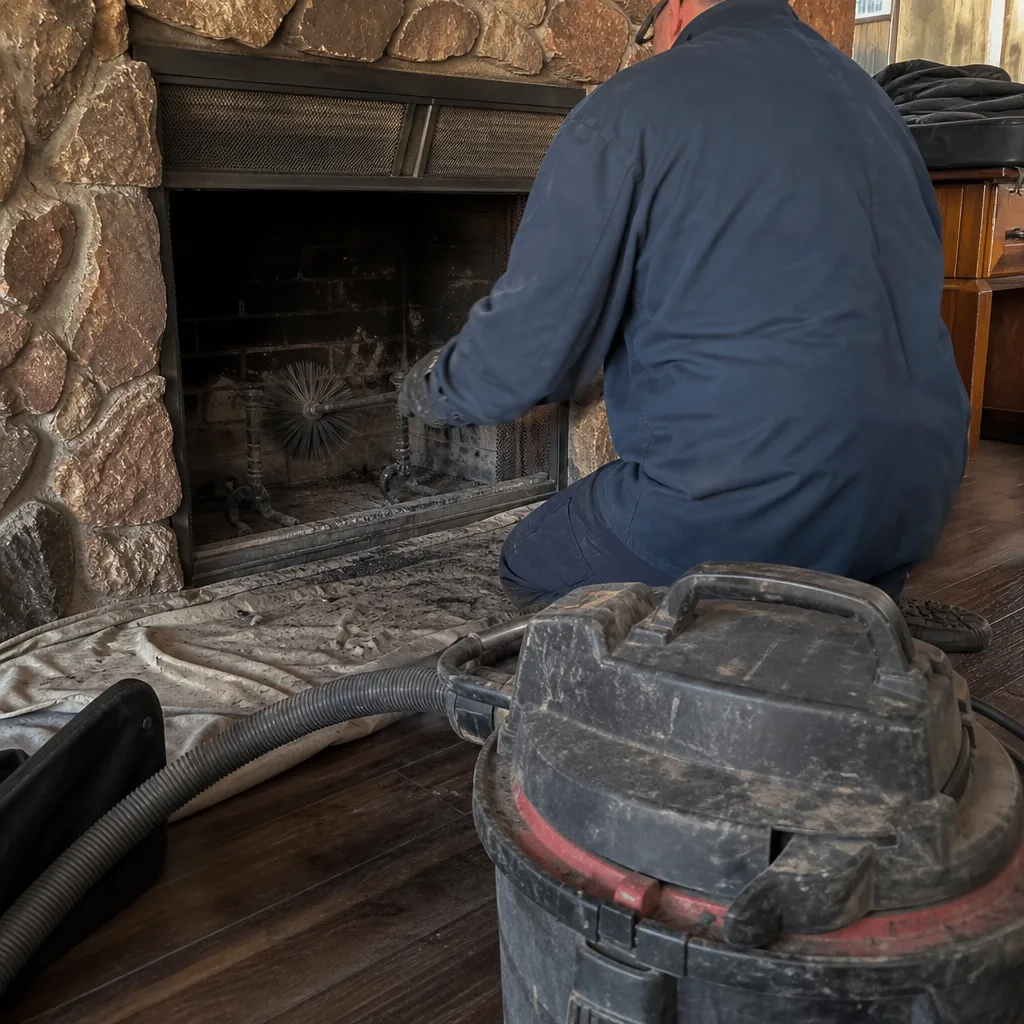 Before
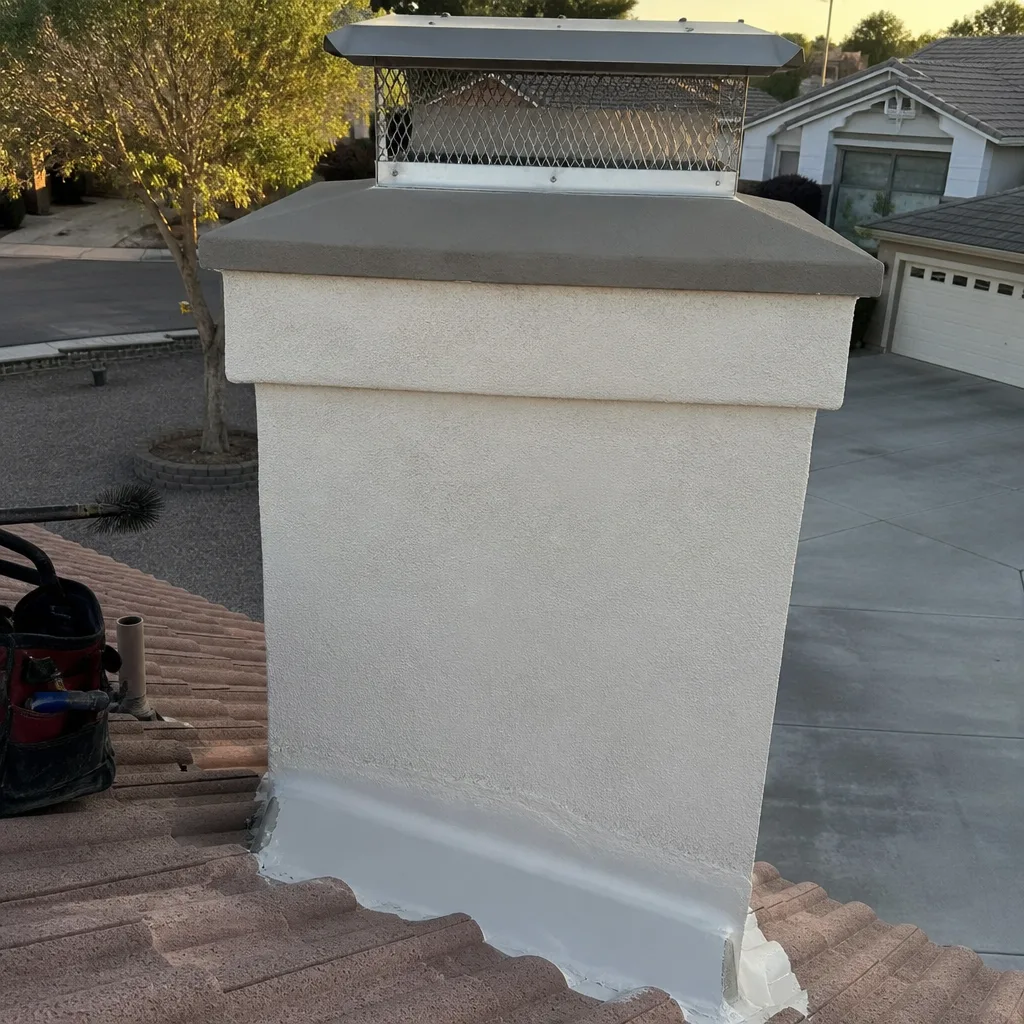 After
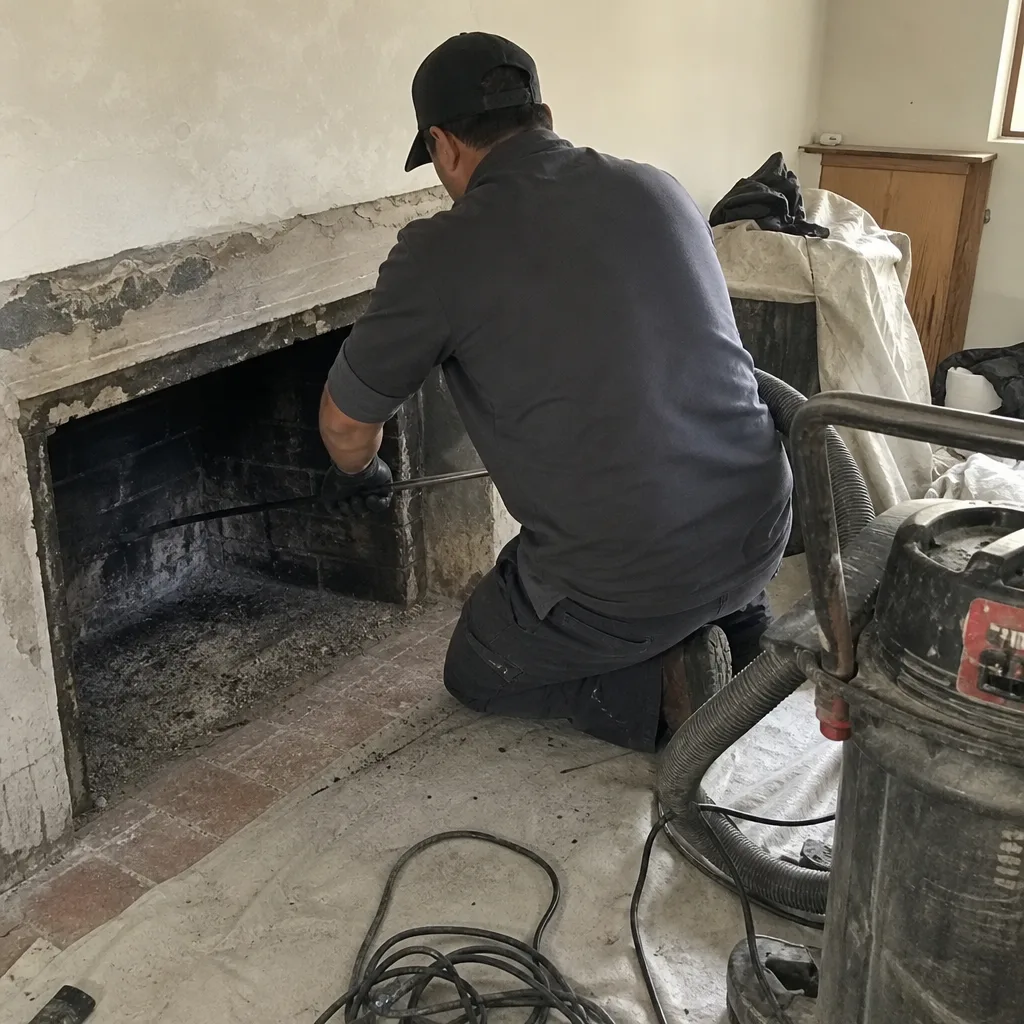 Before
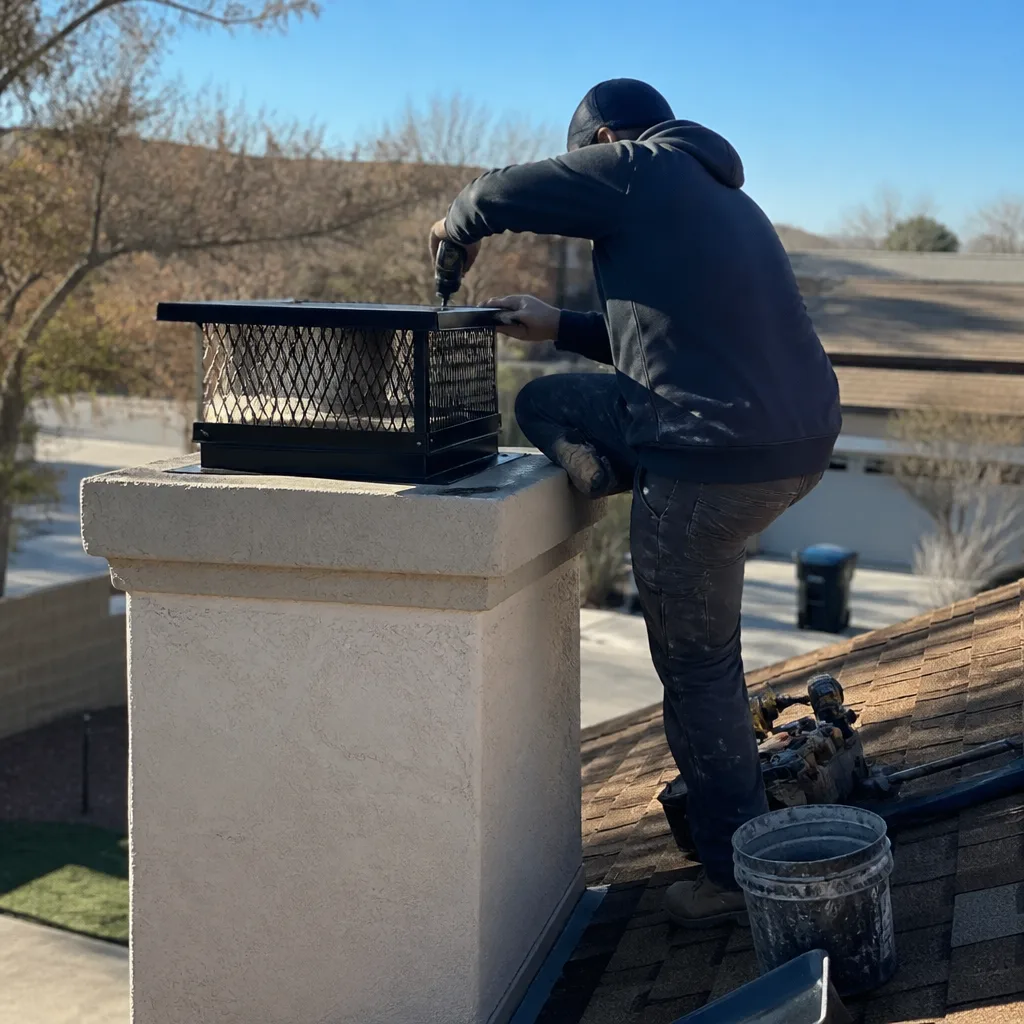 After
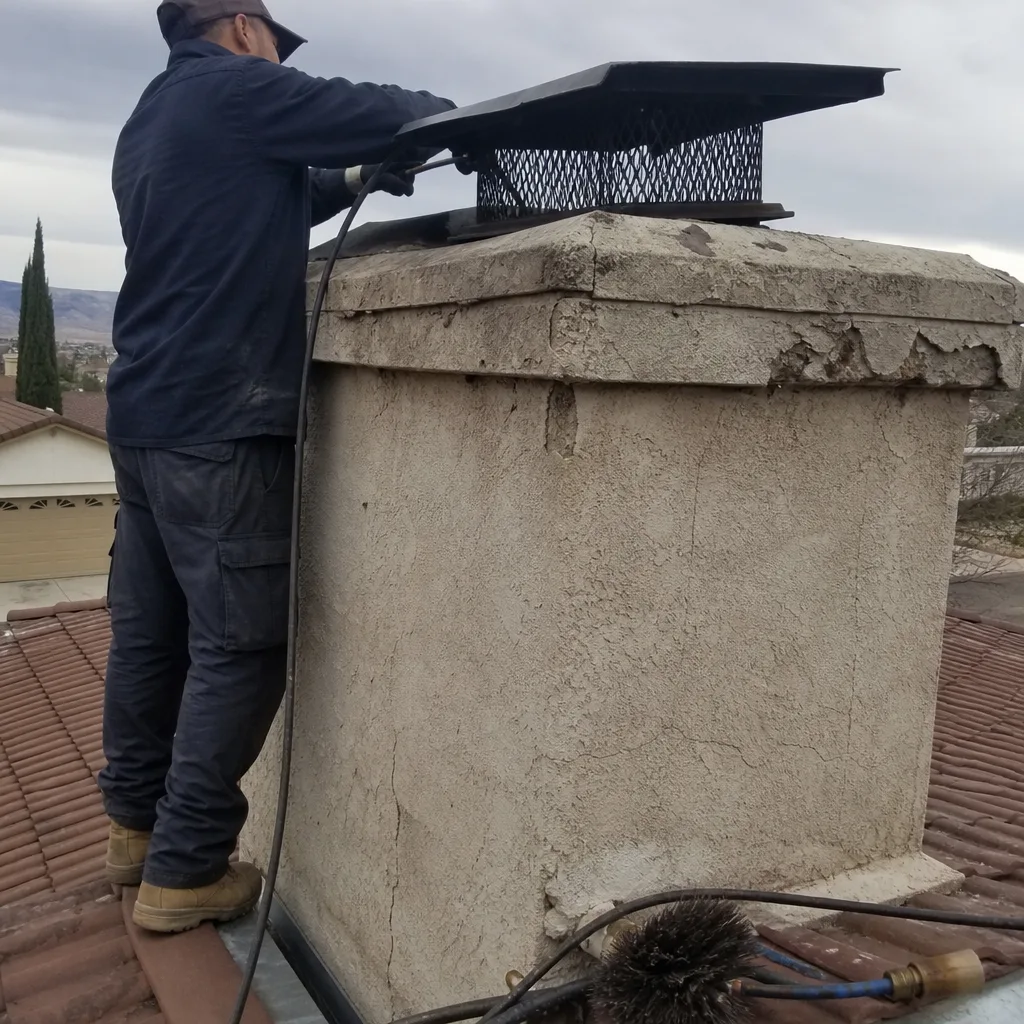 Before
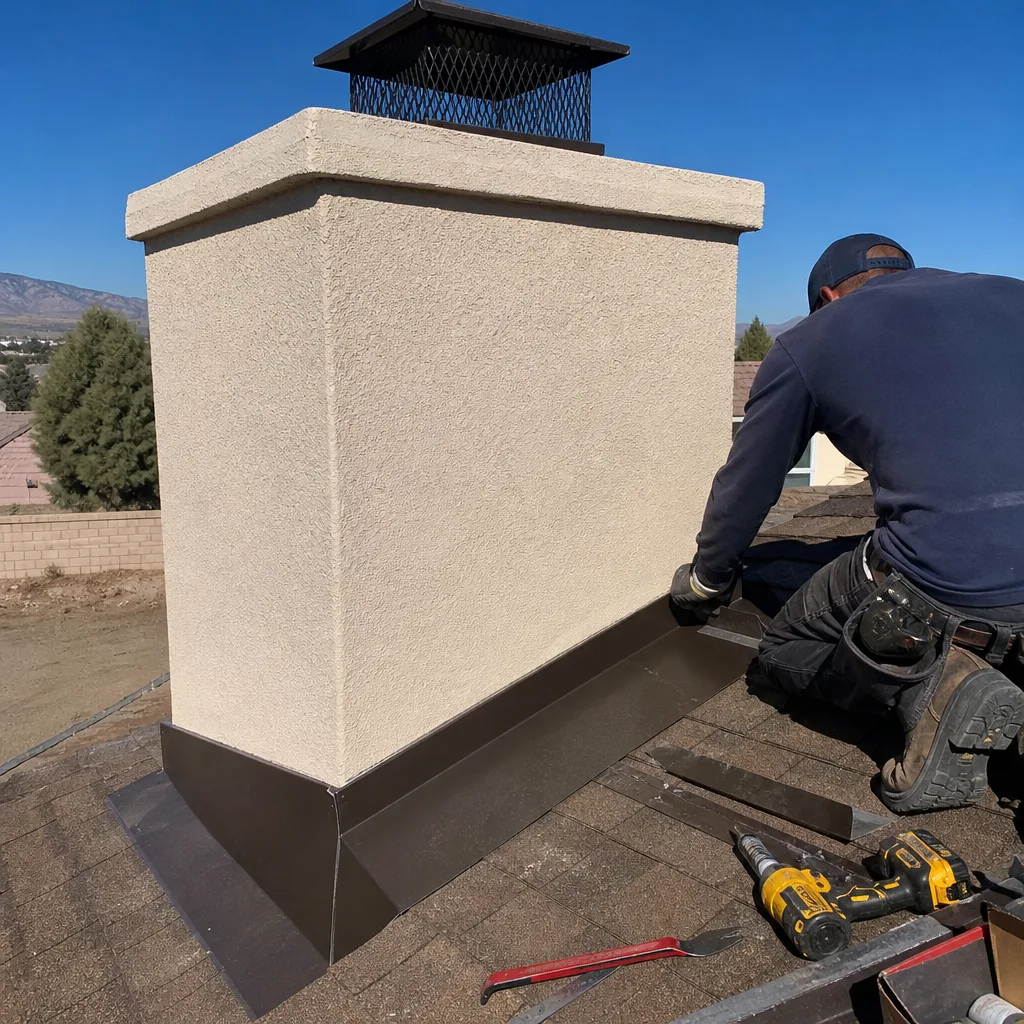 After