Last updated October 30, 2026
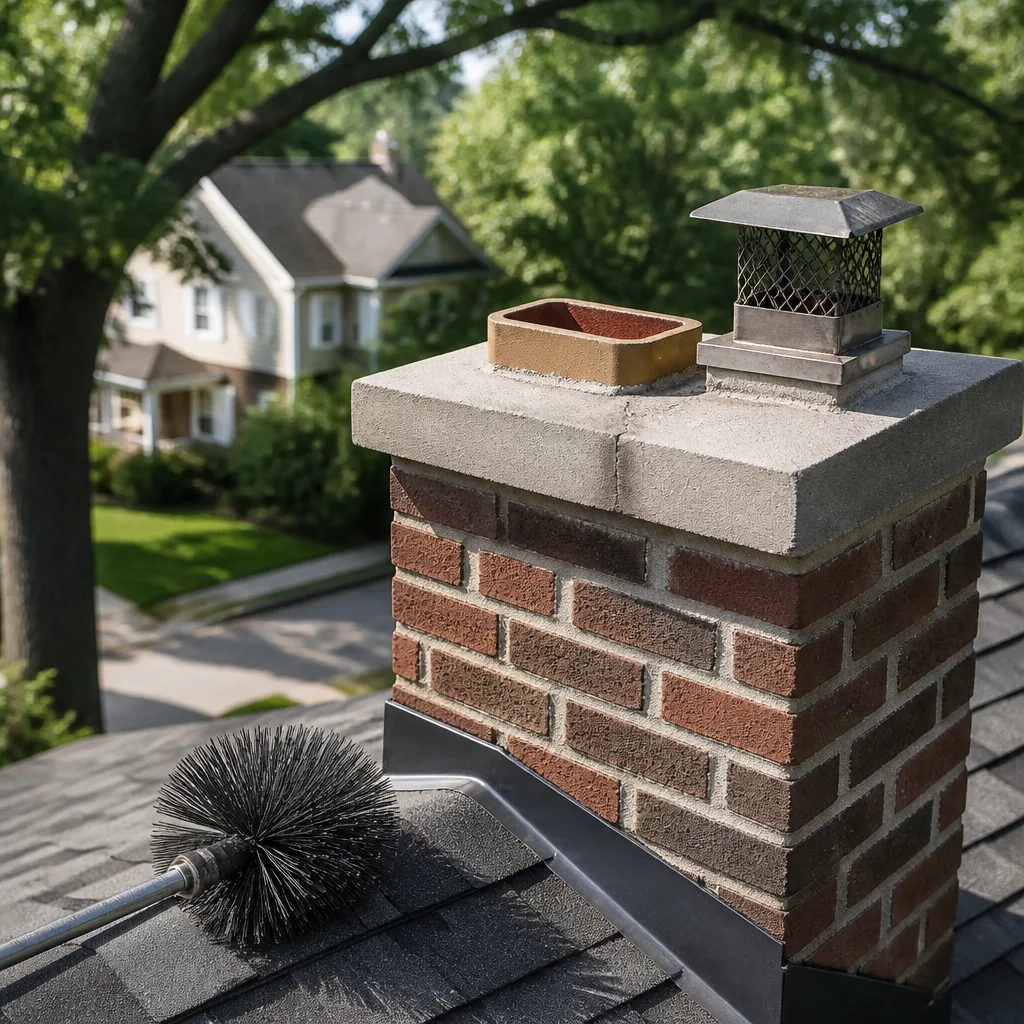 Sweep & inspection
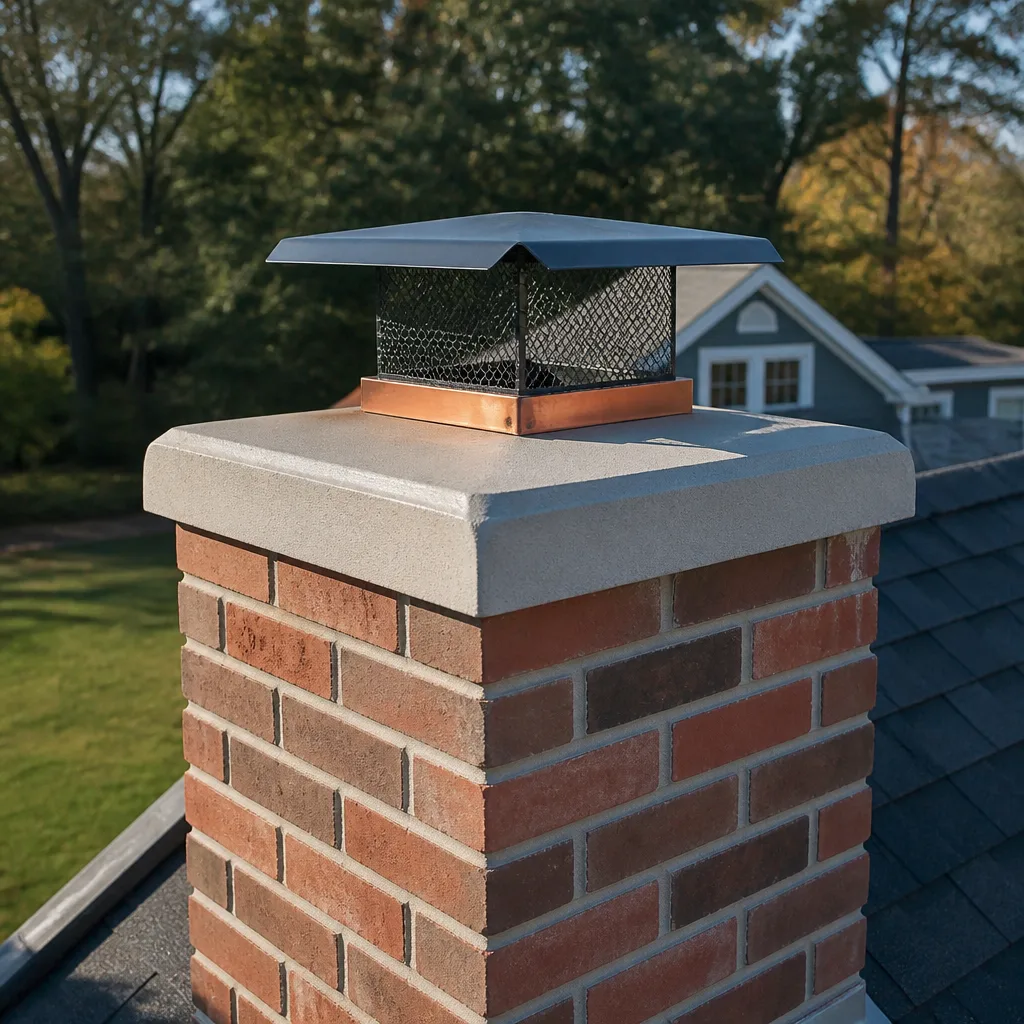 Caps & crowns
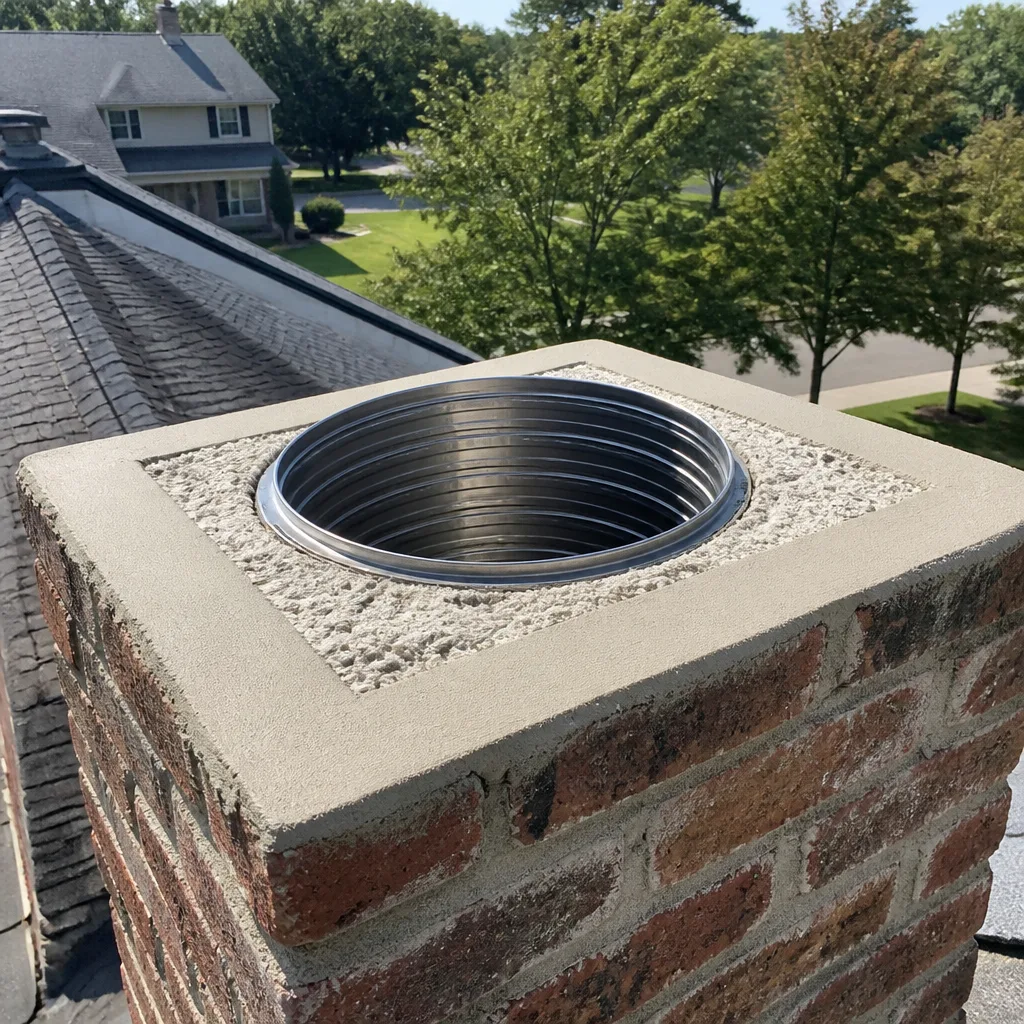 Flue relining
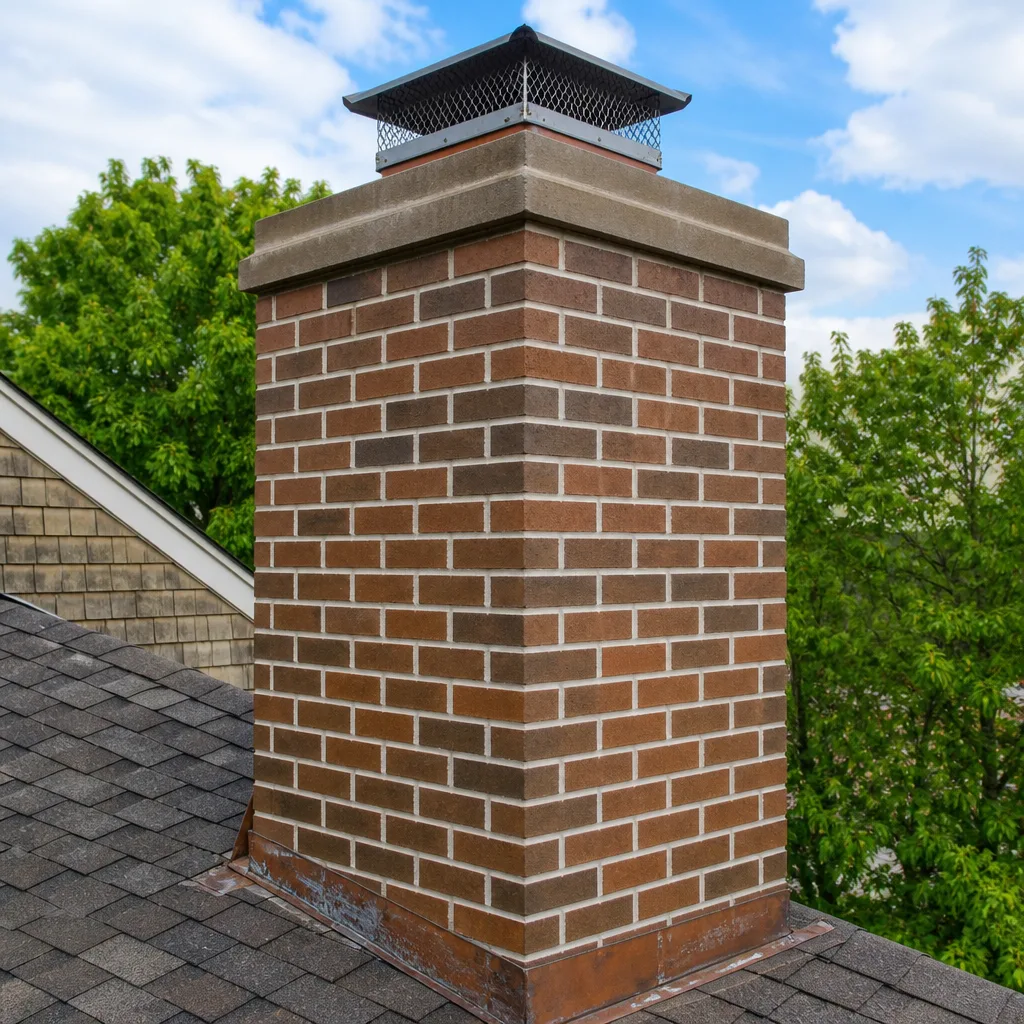 Masonry repair
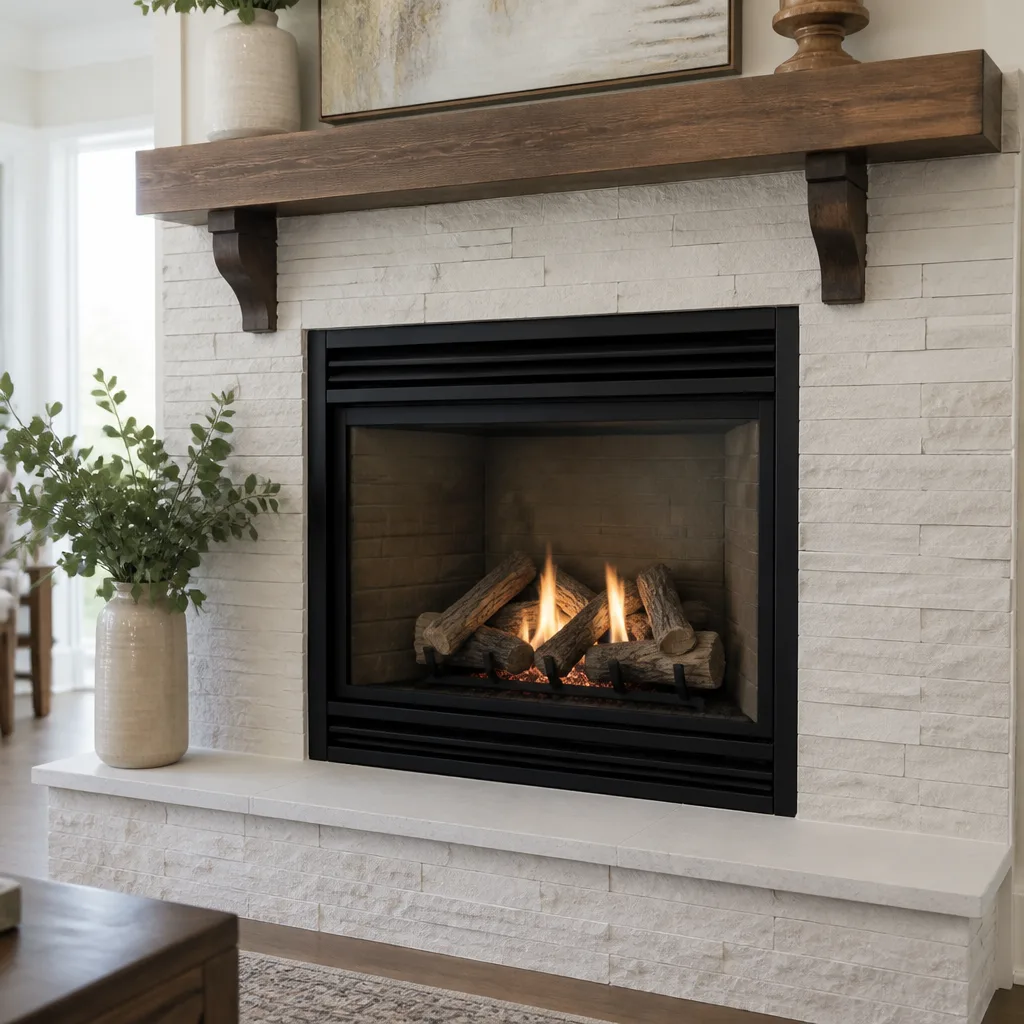 Gas fireplace service
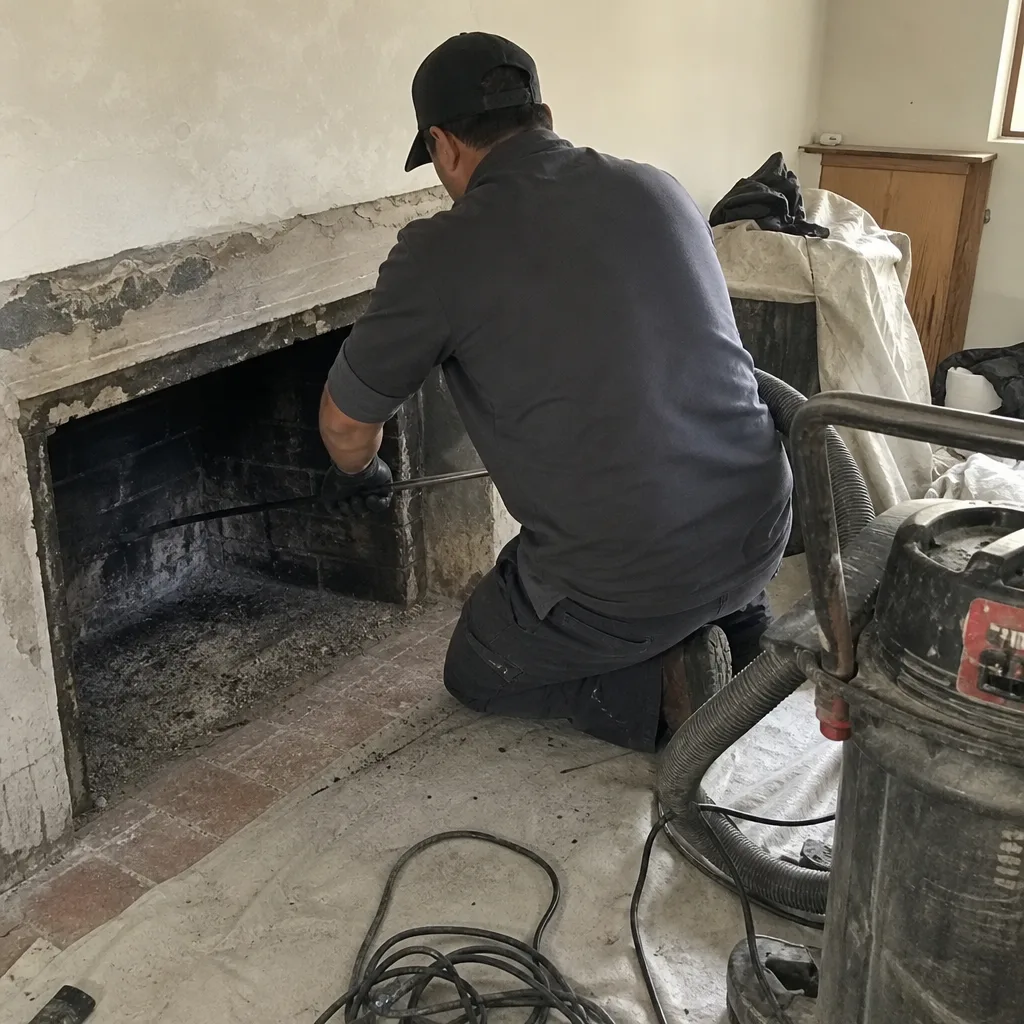
Level 1 sweep and inspection to the NFPA 211 annual standard - flue, crown, cap, and flashing checked and photographed
Chimney sweep logs do not sweep chimneys. They loosen some creosote - which then falls where a brush and vacuum still have to collect it.
DIY vs Professional Chimney Cleaning: The Victorville Homeowner’s Decision Guide
Here’s a number that surprises most Victorville homeowners: the National Fire Protection Association attributes roughly 25% of all home heating fires to chimneys and chimney connectors, and a large share of those involve creosote that the homeowner believed was already cleaned. A $40 brush kit from the hardware store will knock loose the fluffy, dusty stuff. It will not tell you that the smooth, glassy layer underneath has been building for two winters, that your tile liner has a hairline crack running eight feet up the flue, or that the smoke chamber mortar is crumbling where you’ll never see it without a camera. This guide walks through what a careful homeowner can actually accomplish with consumer tools in the High Desert, what those tools physically cannot do, and where the line between responsible maintenance and unmanaged fire risk sits. We’ll be specific about Victorville conditions, because our climate creates problems that don’t show up in a generic chimney guide.
Styles & brands we work with
Quick Answer
If you have light, fluffy stage 1 creosote and an easily accessible flue, a homeowner with a quality brush kit can perform a basic DIY sweep safely. But Victorville’s dry climate and wood-burning patterns frequently produce glazed stage 2 creosote, hidden liner cracks, and smoke chamber deterioration that no consumer tool can remove or even detect. Any home with a wood-burning fireplace used more than a couple dozen times per season, an older tile liner, or visible dark glossy deposits should get a professional inspection with video scanning before making the DIY decision. For a detailed walkthrough on selecting the right professional, see our guide on How to Hire a Chimney Cleaning Contractor in Victorville: A Step-by-Step Guide.
Table of Contents
- What DIY Chimney Cleaning Can Actually Accomplish in Victorville
- What Consumer Tools Physically Cannot Reach, Remove, or Assess
- Why Victorville’s Desert Climate Makes Hidden Damage More Likely
- Understanding the Three Stages of Creosote and What They Mean for DIY
- Liability and Insurance: DIY Chimney Work That Goes Wrong in California
- Where DIY Maintenance Fits: Cap Cleaning, Exterior Observation, Damper Testing
- How Professional Diagnostics Change What Gets Found in a Victorville Chimney
- Common Mistakes to Avoid
- When to Call a Professional
- Frequently Asked Questions
- The Bottom Line
What DIY Chimney Cleaning Can Actually Accomplish in Victorville
Let’s be direct about what a determined homeowner with a good brush kit can do. If you have a straight flue run, easy roof or interior access, and the creosote inside is dry and dusty rather than shiny and hard, a DIY sweep is a legitimate maintenance task. You’re not wasting your time. Many Victorville chimneys that burn seasoned oak or almond firewood for a handful of fires each winter will accumulate exactly this kind of light stage 1 creosote: a fine brown or gray powder that brushes off with moderate effort. A rotary brush kit sized correctly for your flue, run from top down or bottom up, will remove a meaningful portion of it. Add a shop vacuum with a HEPA filter and some plastic sheeting over the fireplace opening, and you’ll keep your interior from turning into a dust bowl. That’s a real service to your home.
What gets trickier is the follow-up. A brush removes what is loose, but it tells you nothing about what remains. In our experience working on Victorville chimneys, a homeowner who brushes a flue and pulls out a couple cups of brown dust will often assume the job is done. The problem is that creosote rarely exists as a single uniform layer. The dust at the top may be stage 1, while the deposits lower in the flue, where temperatures ran cooler and condensation pooled, can be something else entirely.
So here is the honest summary of DIY capability:
- Safe and reasonable: brushing loose stage 1 creosote from a straight, accessible flue when you can inspect the result afterward.
- Safe and useful: clearing the rain cap of debris, checking the spark arrestor screen for blockage, testing the damper for smooth operation, and observing the exterior masonry for visible cracks or spalling.
- Not safe or not effective: removing glazed creosote, diagnosing liner condition, evaluating smoke chamber masonry, or determining whether your flue is safe to use after a chimney fire.
The distinction that matters is not whether you can operate a brush. It’s whether you can verify the result. A professional sweep includes verification. A DIY sweep usually ends with a guess. In a Victorville home where the fireplace is a primary heat source on winter nights that dip below freezing, guessing is a poor strategy.
What Consumer Tools Physically Cannot Reach, Remove, or Assess
A consumer brush kit is a length of rod with bristles on the end. It does a specific thing well: it abrades whatever the bristles touch. That’s where its capabilities end. Here is what it cannot do in a Victorville chimney system, and why each limitation matters.
1. It cannot tell you the thickness of what it just removed. Without a baseline measurement taken before sweeping, there’s no way to know whether the flue now meets the 1/8-inch creosote threshold that industry standards like NFPA 211 treat as the trigger point for professional cleaning. A video scan before and after provides this baseline. Brushing in the blind gives you none.
2. It cannot detect a cracked flue tile. In Victorville, we regularly find vertical hairline cracks in tile liners that have been through years of thermal cycling: hot fires on cold desert nights, rapid temperature swings in late autumn, and the dry air that does nothing to slow masonry expansion stress. A crack running between tile sections or up the face of a liner is invisible from the top of the flue and from the firebox. It is also the pathway through which heat and gases reach combustible framing. No brush, rod, or flashlight inspection from the roof will find it with any reliability.
3. It cannot assess the smoke chamber. The smoke chamber sits above the damper, below the flue, and is the roughest masonry surface in the entire system. Smoke slows and swirls there, depositing creosote on every corbeled brick. Over time, the mortar joints degrade, and gaps open into the surrounding wall cavity. This is one of the most common fire-origin locations in older Victorville homes, and it’s completely invisible to a DIY brush kit.
4. It cannot remove glazed stage 3 creosote. Stage 3 is tar-like, hardened, and chemically bonded to the flue surface. It requires rotary chain whips, chemical treatments, or in severe cases, removal of the damaged liner section. A homeowner with a wire brush will simply polish the surface of it and conclude, wrongly, that the flue is clean.
5. It cannot identify previous chimney fire damage. Chimney fires often go brief and unnoticed: a low rumble, a sudden rush of air, maybe a smell like hot metal. The aftermath can include warped damper components, cracked tiles, damaged mortar, and compromised metal connectors. Each of these is a structural issue, not a cleaning issue. A brush removes soot. It does not diagnose anything. When damage is present, what the chimney needs is Chimney Repair in Victorville, and that work is beyond any consumer tool.
Why Victorville’s Desert Climate Makes Hidden Damage More Likely
Victorville sits at roughly 2,700 feet in the High Desert, where July days break 100°F and December nights drop into the 20s. That’s not a trivial swing. The masonry and clay tile inside a chimney expand and contract with every cycle, and over fifteen or twenty years, the cumulative stress produces exactly the kind of fine cracking that later becomes a heat-transfer pathway to framing. Coastal chimneys experience milder temperature gradients. Victorville chimneys get baked, then chilled, then baked again, every single season. The dry air doesn’t accelerate that process so much as it fails to slow it: there’s no moisture to moderate the thermal swings, and the materials are left to take the full range all at once.
Burning habits in Victorville shape the problem too. Homes here heat in bursts rather than long, steady burns. A family lights a fire at 5 p.m. when the temperature drops, runs it hot for three or four hours, then lets it die when everyone goes to bed. That pattern, repeated a hundred times a winter, is exactly what produces the uneven creosote deposits we see: thin and dusty up top where temperatures ran high, thick and glazed lower in the flue where smoke cooled and condensed overnight. A DIY brush job on that chimney will pull out the dry top layer and declare victory, leaving the glazed lower deposits untouched. That remaining creosote is the fire fuel that a single hot fire can ignite.
There’s also the matter of wind. Victorville wind events drive fine grit and sand into rain caps and spark arrestors, and that grit scours and clogs in ways coastal homeowners don’t see. A spark arrestor half-plugged with desert dust changes the draft characteristics of the entire flue. The chimney draws worse, smoke cools faster, creosote deposits build sooner. Any homeowner walking their roof to clean a cap should be checking for that grit accumulation. Most never do, because from the ground, the cap looks fine.
These Victorville-specific conditions shift the DIY calculus. The question is not “can you brush a flue?” It’s “can you brush a flue that has likely been thermally stressed, wind-blasted, and unevenly creosoted?” And the follow-up: “would you know if the answer was no?” For most Victorville homeowners, the honest answer to the second question is what leads them to schedule a professional Chimney Sweep in Victorville instead of reaching for a brush.
Understanding the Three Stages of Creosote and What They Mean for DIY
Creosote is not one substance. It’s three distinct states of the same byproduct, and knowing the difference between them is the single most important piece of knowledge in the DIY decision. Here’s what each stage looks like, how it forms, and what it means for a Victorville homeowner deciding whether to clean their own flue.
Stage 1: Dust and Soot. This is the soft, flaky, brown-to-black deposit that forms during hot, efficient fires with seasoned wood. It has the consistency of fireplace ash and brushes away with moderate effort. A homeowner with a correct-sized brush can remove stage 1 creosote effectively. The proportion of Victorville fires that produce only stage 1 is higher among homes burning almond or oak that has been properly seasoned for at least a year, and lower among homes burning pine or other softwoods.
Stage 2: Glazed Flakes. This is where DIY hits its wall. Stage 2 creosote appears as shiny, hard, black flakes that resemble tar paper or brittle candy. It forms when the flue temperature drops below the condensation point and smoke particles bind together into a harder crust. Stage 2 does not brush off with hand pressure. It requires mechanical removal: rotary loops, chain whips, or professional-grade chemical treatments. In Victorville, we find stage 2 deposits most commonly in the lower third of the flue, where evening fires cooled overnight and deposited condensate on the tile surface.
Stage 3: Glazed Tar. This is the most dangerous form. Stage 3 looks like a smooth, glossy, black coating that has baked onto the flue interior. It is dense, highly concentrated, and extremely fuel-rich. It resists conventional brushing entirely and often requires removal of the affected liner section or resurfacing with a product like HeatShield, which is a cerfractory sealant system designed specifically to restore compromised flue interiors. No quantity of consumer effort will strip stage 3 creosote. Treating it as if it were stage 1 is a common and costly mistake.
The stage of creosote in your chimney determines whether DIY cleaning is a reasonable task or a dangerous one. Since creosote stage cannot be determined from the firebox, from the roof, or from the amount of dust a brush pulls out, the rational approach is a professional evaluation first. The camera tells you what you’re dealing with. Then the decision makes itself.
Liability and Insurance: DIY Chimney Work That Goes Wrong in California
California homeowners should understand the insurance landscape before making chimney decisions, because the consequences of getting it wrong are not theoretical. Home insurance policies in this state routinely include language about maintenance negligence. If a fire starts in your chimney and the investigation finds that the flue contained excessive creosote or known structural damage that was never professionally addressed, the insurer has grounds to reduce or deny the claim. “I cleaned it myself” is not a defense that carries much weight, because the homeowner cannot produce a documented inspection proving the chimney was in safe condition.
Here’s what actually matters to insurers in a Victorville chimney fire claim:
- Documented professional inspection: A dated report from a qualified chimney technician creates a maintenance record that supports your claim.
- Documented professional cleaning: A sweep with before-and-after camera evidence shows due diligence in a way that a homeowner’s brush work cannot.
- Repair history: If damage was identified and repaired by a qualified contractor, the homeowner’s position is strong. If damage was identified and ignored, it is not.
The liability picture extends beyond the homeowner. If a DIY chimney fire spreads to a neighboring property in a Victorville neighborhood where homes sit close together, the homeowner’s liability can include the neighbor’s structure, relocation costs, and legal defense. The insurance defense only works if the homeowner can demonstrate reasonable maintenance. Without documentation, “reasonable maintenance” becomes a difficult argument to make.
There is also the matter of California building codes. Any significant chimney repair or liner replacement done without a permit, by an unlicensed individual, creates a disclosure problem when the home is eventually sold. Victorville home inspectors routinely flag DIY chimney modifications. The cost of unwinding a bad DIY repair almost always exceeds the cost of the professional repair it replaced, and that’s before accounting for the market value hit of a disclosed chimney issue. We’re not saying every DIY chimney decision is a code violation. We’re saying that when DIY work crosses from cleaning into modification, the California regulatory framework stops being forgiving. A homeowner who installs a flexible liner without knowing what they’re doing is not doing maintenance. They’re doing construction.
Where DIY Maintenance Fits: Cap Cleaning, Exterior Observation, Damper Testing
None of this is an argument that homeowners should never touch their own chimneys. There are maintenance tasks that fit directly within homeowner capability, and doing them well makes a professional visit more efficient. The key is knowing the boundary. Here are three DIY tasks that are genuinely useful for a Victorville homeowner.
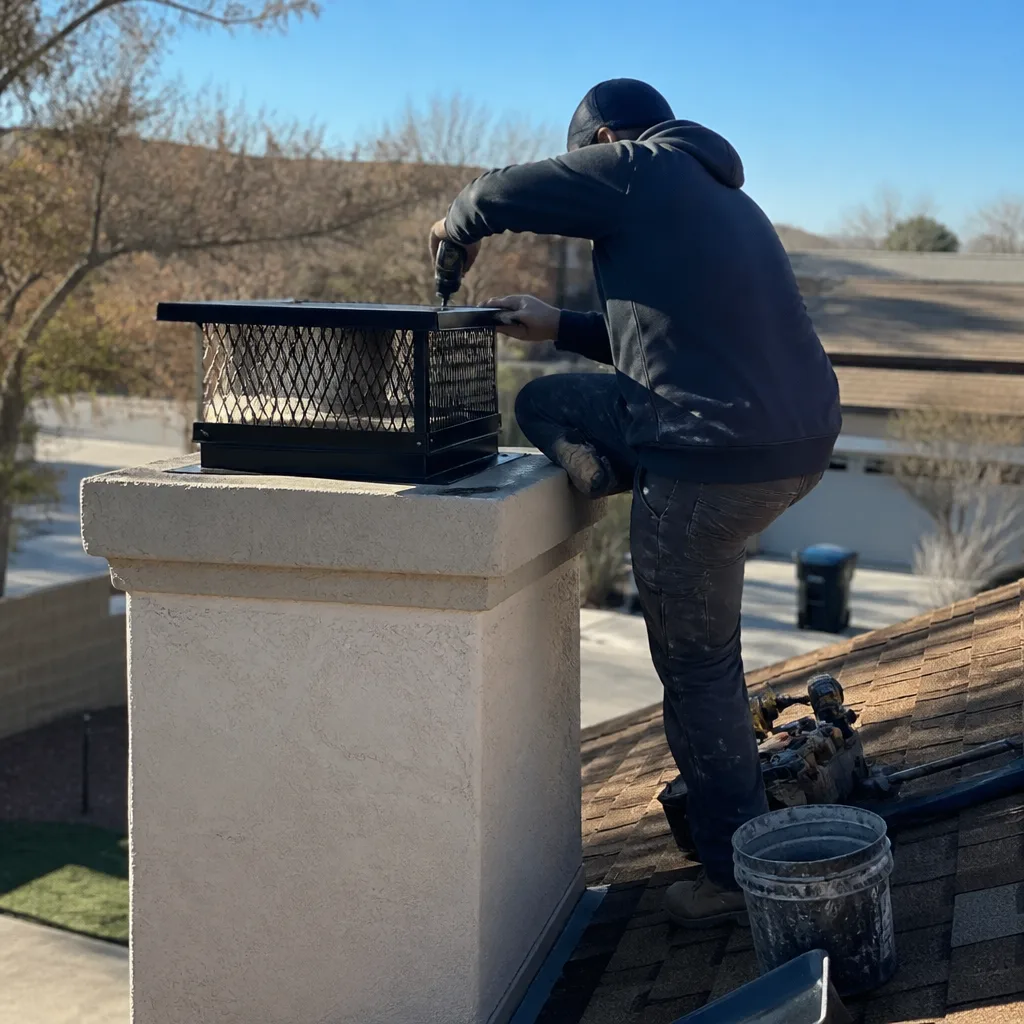
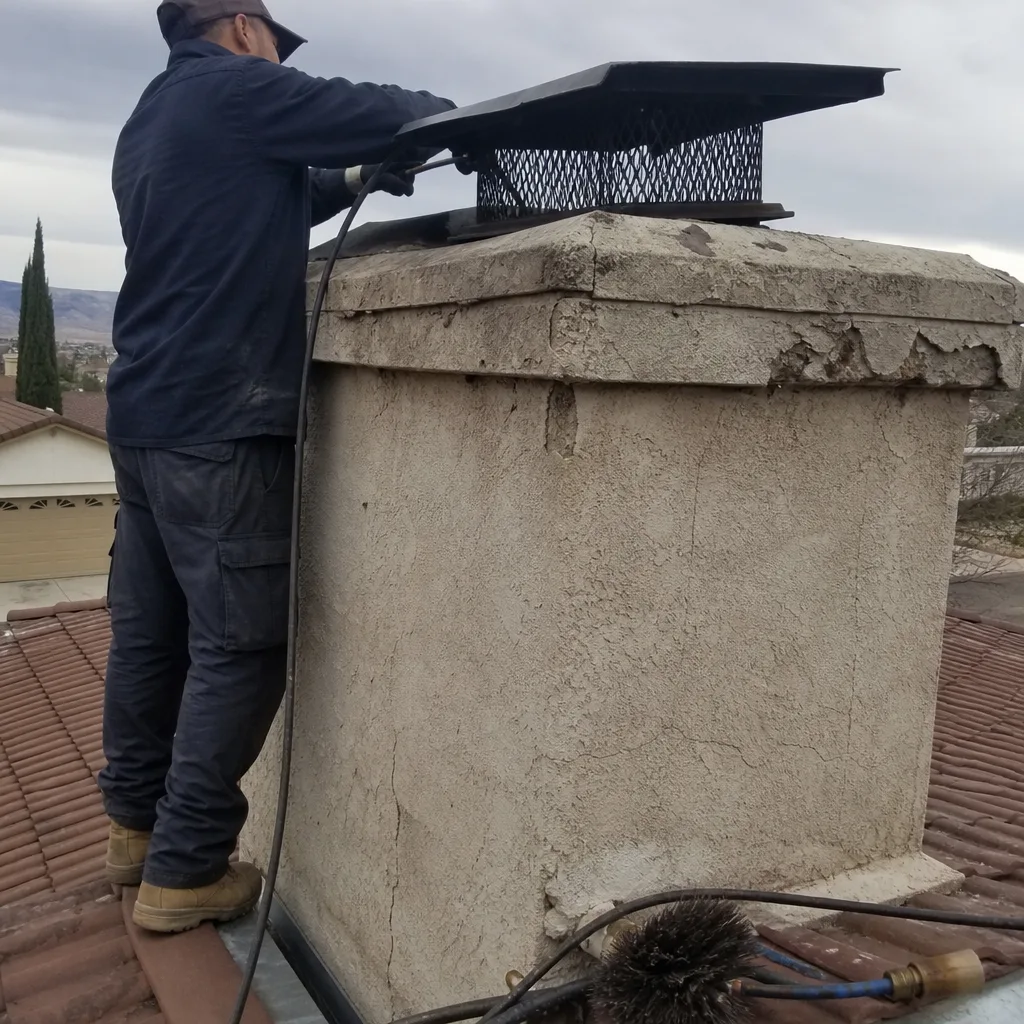
1. Cap cleaning and spark arrestor inspection. The rain cap and spark arrestor screen are your first line of defense against wind-driven debris. Victorville’s wind season deposits grit, leaves, and the occasional bird’s nest material into these components. Twice a year, when you’re on the roof or hiring someone who is, check the cap for accumulation and clear it. A plugged spark arrestor starves the fire of draft and sends more smoke back into the flue, accelerating creosote buildup. This is a safe task for a homeowner with roof access and basic ladder safety sense.
2. Exterior masonry observation. Walk around your chimney at ground level and look at the brick or stone. You’re checking for cracks wider than a hairline, spalling faces where the brick surface has flaked off, deteriorated mortar joints, and white efflorescence staining that signals water intrusion. Make notes. Take photos. If you see something concerning, document it and call for an evaluation. Observing is DIY-appropriate. Repairing a masonry chimney is not.
3. Damper testing. The throat damper controls airflow into the firebox. You can test whether it opens and closes smoothly, whether it seats completely, and whether the handle or lever mechanism is intact. A damper that won’t fully close is a major source of drafts and a sign of warping, which can indicate a previous chimney fire. Note any stiffness, grinding, or misalignment and mention it to your technician.
These three tasks, done consistently, are the responsible homeowner’s contribution to chimney safety. They don’t replace professional service; they complement it. The difference between a homeowner who observes and one who attempts structural work is the difference between maintenance and intervention. Maintenance is yours. Intervention belongs to someone with the diagnostic tools and the repair capability to make it right the first time. That’s the distinction Pilgrim Chimney home guides are written around.
How Professional Diagnostics Change What Gets Found in a Victorville Chimney
When we show up to a Victorville chimney with a camera system, a rotary cleaning rig, and professional-grade hand tools, we’re not doing a fancier version of what a homeowner does with a brush. We’re running a different process entirely. The brush kit removes what is loose. The professional process establishes what is there, removes what is removable, documents what remains, and evaluates the structural condition of everything in between. That’s four distinct steps, and the diagnostic step alone is worth the cost of the visit.
A professional chimney cleaning starts with an inspection. The camera goes up the flue and the technician reads the live feed section by section. What we look for in Victorville chimneys specifically includes:
- Creosote stage and thickness at multiple points along the flue, not just at the top where the homeowner can see it.
- Tile liner condition: hairline cracks, offset joints, missing sections, signs of water intrusion between tiles.
- Smoke chamber condition: mortar integrity, corbelling damage, accumulated creosote in the rough brickwork.
- Flue clearance violations: framing too close to the flue, which is a code issue no brush will ever reveal.
Then the cleaning happens with equipment matched to the condition found. Light stage 1 gets a correct-sized brush. Stage 2 gets rotary loops or chains. Stage 3 gets chemical treatment and, in the worst cases, liner assessment for HeatShield resurfacing or DuraFlex relining. The cleaning is thorough, but it’s the diagnosis that drives the decisions. A homeowner with a $40 brush kit cannot replicate this because it isn’t a skill gap. It’s an equipment and access gap.
There’s also the matter of materials. When repair is needed, professional-grade components from manufacturers like Famco, Copperfield, and DuraFlex are not interchangeable with what a homeowner can buy at a hardware store. A DuraFlex liner is a UL-listed stainless steel system built for the specific dimensions and fuel type of your chimney. It’s specified, installed, and documented. A hardware-store flex pipe is none of those things. The difference shows up in performance, in code compliance, and ultimately in what an insurance adjuster sees when they review your file after an incident.
Pilgrim Chimney’s approach to this work is steady and deliberate, because the fire safety of a High Desert home is not a place for shortcuts. A comprehensive sweep includes the camera check, the cleaning itself, and a follow-up review of everything the camera saw. When a problem is found, our Chimney Repair in Victorville service is the next step, not a referral to someone else. That’s the end-to-end capability that matters when a homeowner has already been told about an issue and wants it resolved without a second round of phone calls and estimates.
The same principle extends to the rest of the home’s fire-safety picture. Your dryer vent and your chimney are the two most common residential fire origins connected to everyday household operation. The lint that accumulates in a dryer exhaust is the leading cause of dryer fires, and it builds quietly inside walls where no one sees it. A homeowner who takes chimney fire risk seriously is usually the same homeowner who wants Dryer Vent Cleaning in Victorville done by the same company that knows their fireplace. The two services share a common logic: hidden accumulation, unseen damage, and a straightforward prevention step that eliminates the risk before it becomes a headline.
Common Mistakes to Avoid
- Using a brush without a camera check afterward. Brushing a flue blind leaves you with no evidence of what remains. In Victorville chimneys with uneven creosote, the glazed layer at the bottom often survives a DIY sweep entirely, and the homeowner never knows it’s there.
- Burning pine to “clean” the chimney. This old myth circulates in the High Desert constantly. Burning a hot fire does not clean a chimney. It raises flue temperature briefly, which can actually bake stage 2 creosote into stage 3. The creosote remains, now hardened.
- Ignoring a damper that doesn’t seat completely. A misaligned damper is not a nuisance. It’s a signal, often indicating thermal warping from a previous chimney fire. A homeowner who ignores it misses the warning.
- Cleaning only the firebox and calling it done. The firebox is where the fire happens; it is not where the creosote danger lives. The flue and smoke chamber hold the dangerous accumulation. A clean firebox with a coated flue is a false sense of security.
- Attempting liner repair as a DIY project. A cracked liner in a Victorville home is a fire-safety issue that requires professional replacement or resurfacing. Consumer patch kits and flexible pipe from hardware stores are not code-compliant solutions, and they create liability problems at resale.
- Skipping the dryer vent because “it’s a different system.” Dryer vent fires and chimney fires share the same origin story: combustible material accumulating in a concealed passage where no one sees it. Victorville homeowners who schedule both services are addressing the full residential fire-safety picture.
- Relying on memory instead of documentation. If you can’t produce a record of when your chimney was last professionally inspected, your insurance company can’t verify your maintenance history after a claim. Documentation is the asset. Memory is not.
When to Call a Professional
The decision comes down to a few specific conditions. If you have burned more than two dozen fires since your last professional cleaning, schedule one. If you see shiny black deposits inside the flue when you look up from the firebox or down from the roof, schedule one. If you smell a strong, acrid, smoke-like odor inside your home even when the fireplace is cold, schedule one. If your chimney has been through a known or suspected chimney fire, schedule one immediately. If you have no record of the last time the flue was inspected, schedule one. If your home was built before 1990 and still has the original tile liner, the odds favor hidden deterioration, and the only way to know is a camera scan. Pilgrim Chimney offers free estimates in Victorville, call (866) 253-5031 to schedule yours.
Frequently Asked Questions
A standard chimney sweep and inspection in Victorville typically runs between $180 and $350 depending on flue height, creosote stage, and accessibility. For a detailed breakdown of what drives these costs, see our Chimney Cleaning Cost Breakdown: The Victorville Homeowner’s Reference for 2026. Homes with stage 2 or stage 3 creosote, multiple flues, or roof access challenges fall on the higher end. The price includes a video inspection and a written condition report. Call (866) 253-5031 for an exact quote on your chimney. Estimates are free.
The NFPA standard is once per year for any wood-burning chimney, regardless of how often it’s used, and more frequently if heavy creosote deposits are found. In Victorville’s dry, wind-driven climate, even a lightly used fireplace benefits from an annual check, because the thermal stress on the liner accumulates whether or not the firebox sees heavy use.
This is the most common skepticism we hear from Victorville homeowners, and it’s reasonable. The answer is that you should never accept a liner recommendation without seeing the evidence for yourself. A proper diagnosis includes camera footage showing the crack, the gap, or the deterioration. If a company recommends a liner without showing you the video, get a second opinion. If we recommend a liner, you’ll see the footage on the screen before you make any decision, and we’ll tell you plainly if the chimney can safely wait.
You can remove loose stage 1 creosote with a quality brush, but you cannot verify that the flue is safe afterward. Professional-grade diagnostics, not brush quality, determines what the cleaning actually accomplished. A Victorville homeowner with a straight flue and a recent professional inspection behind them may do a light DIY sweep between professional visits. A homeowner without that baseline is working blind. Call (866) 253-5031 to schedule an inspection and get that baseline established.
Creosote accumulates with every fire. Over one or two Victorville winters, the deposits can reach the thickness where a single hot fire ignites them. The result is a chimney fire, which can range from a brief, contained burn that damages the liner to a structure fire that spreads into the framing. The most insidious part is that damage from a small chimney fire often goes unnoticed until a later, more serious fire finds the compromised components. Skipping a $250 cleaning is not a bet anyone should make.
Yes. Lint accumulation in dryer exhaust ducts is the leading cause of residential dryer fires, and the buildup happens inside walls where it’s invisible. Victorville homes with long dryer duct runs, or those that dry heavy loads regularly, are at higher risk. A dryer vent cleaning is a straightforward service that removes a top-tier fire hazard. Call (866) 253-5031 to schedule both your chimney and dryer vent services in a single visit.
The Bottom Line
The DIY versus professional chimney decision in Victorville is not about how capable you are with a brush. It’s about what you can see, what you can measure, and what you can document. A homeowner with the right tools can remove loose creosote from a simple flue. No homeowner with any consumer equipment can detect a cracked liner, evaluate a smoke chamber, remove glazed stage 3 creosote, or produce the inspection documentation that an insurance claim depends on after a fire. Victorville’s extreme temperature swings, wind-driven grit, and burst-burning patterns combine to create exactly the conditions where hidden chimney damage develops. The responsible approach is a professional evaluation first, then a maintenance plan with clear documentation. That’s the distinction, and it’s the one that keeps High Desert fireplaces safe. For more guides & resources on chimney care and home safety, explore our blog.
Written by the team at Pilgrim Chimney, serving Victorville since 2014.
See the difference
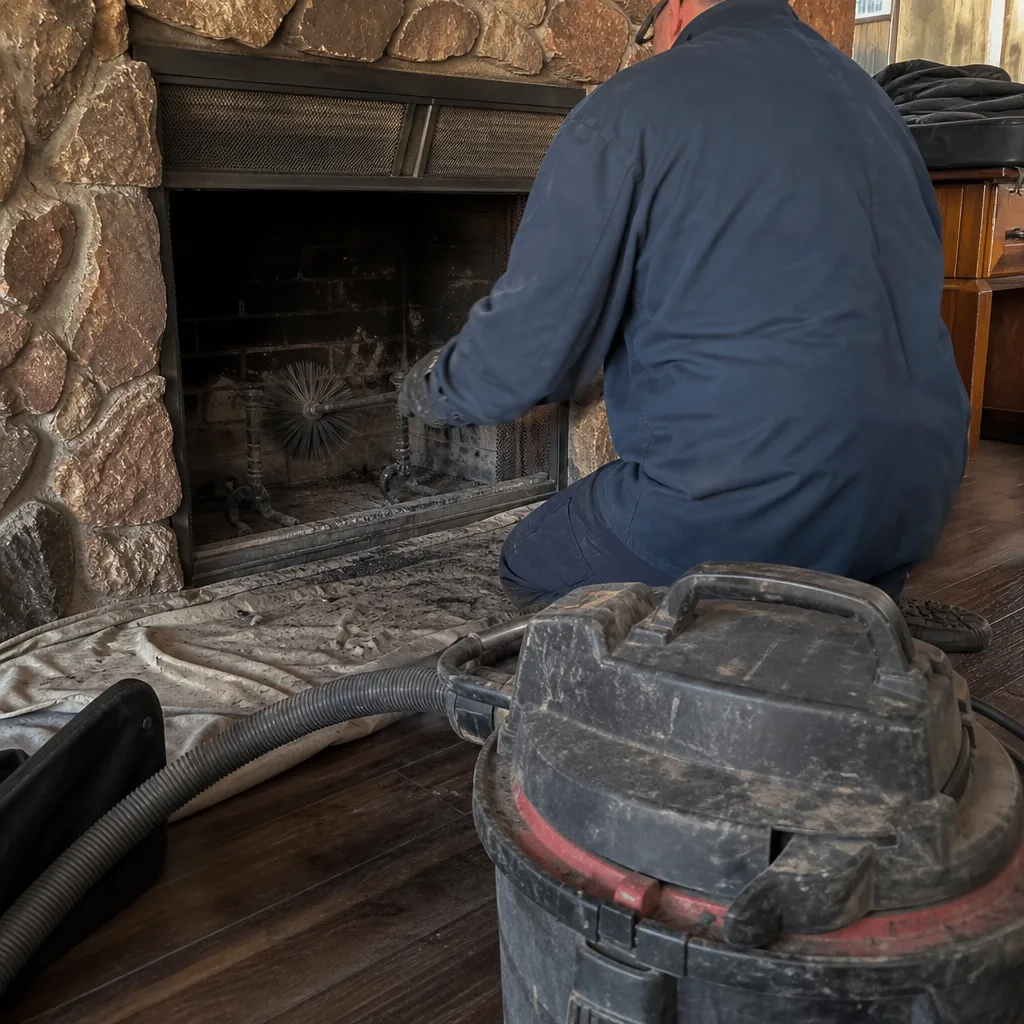 Before
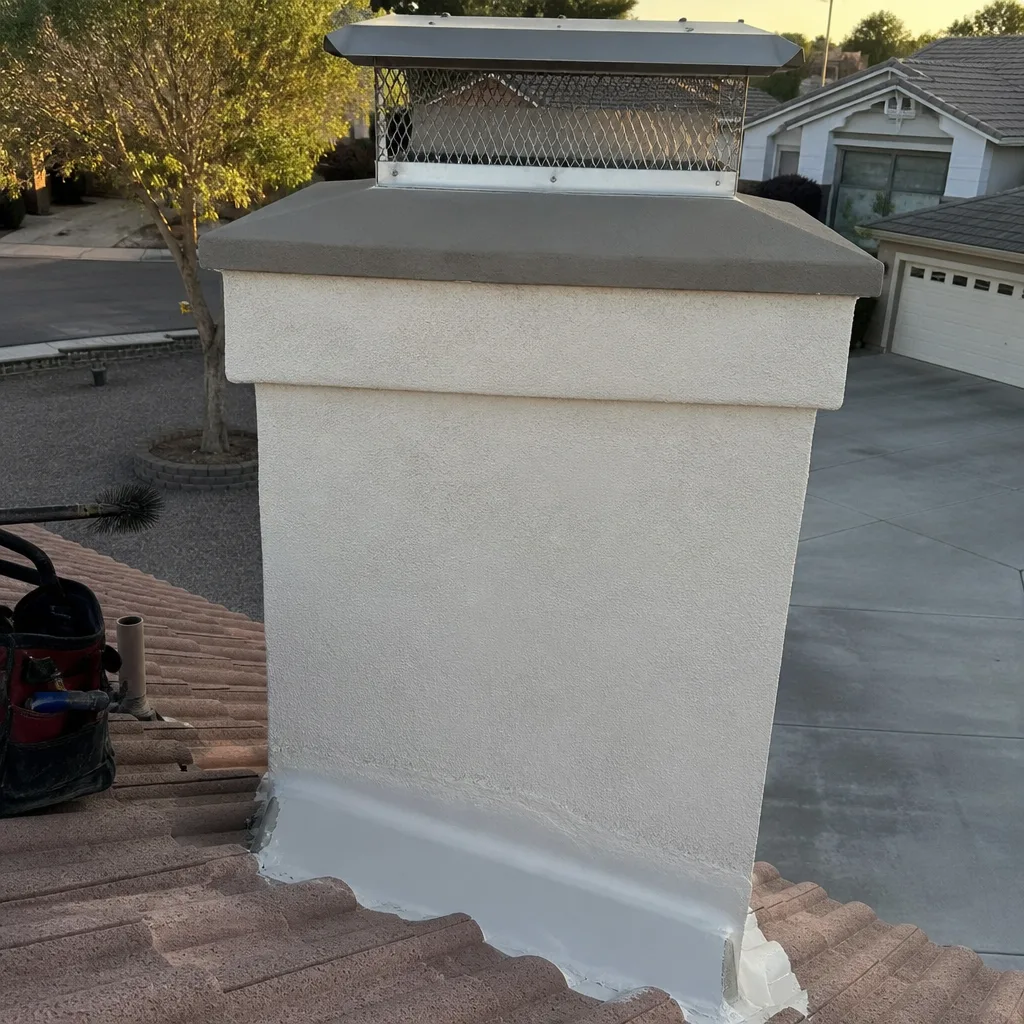 After
 Before
 After
 Before
 After