Last updated October 30, 2026
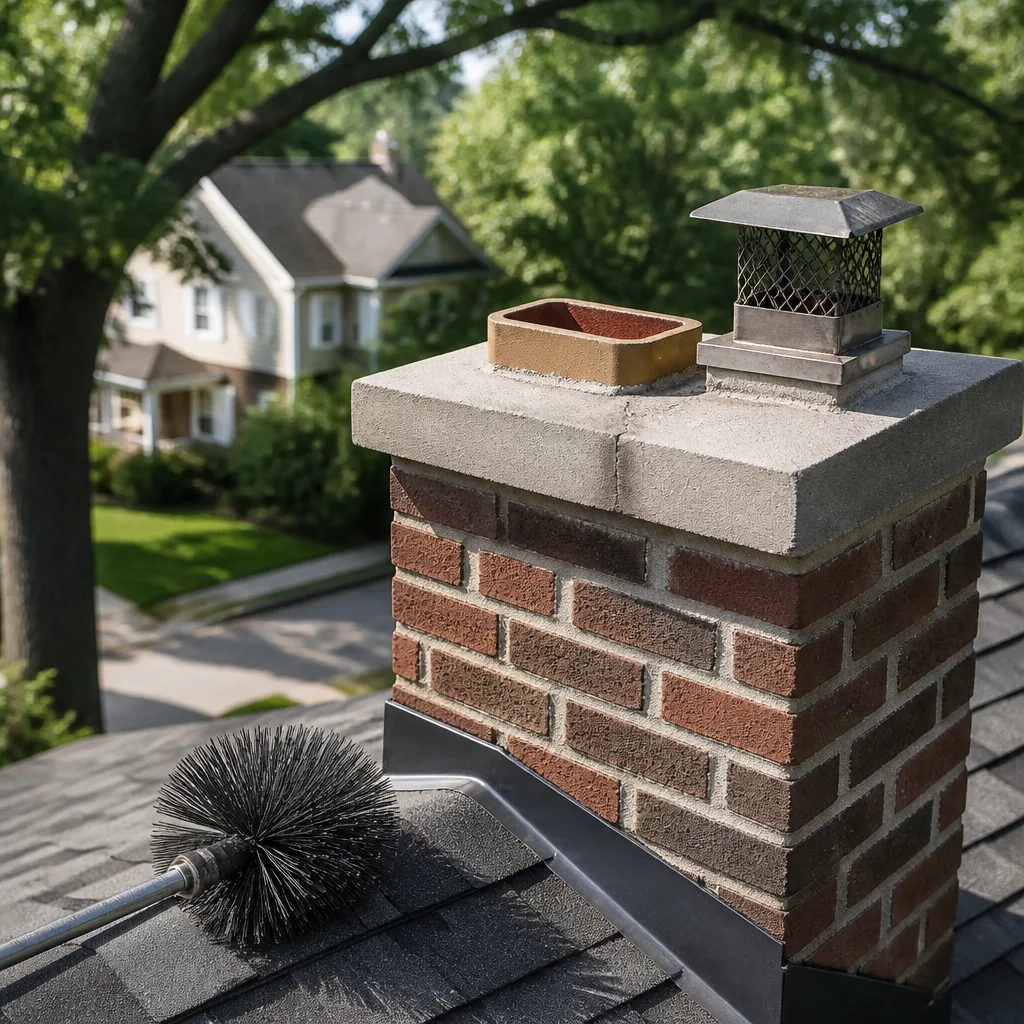 Sweep & inspection
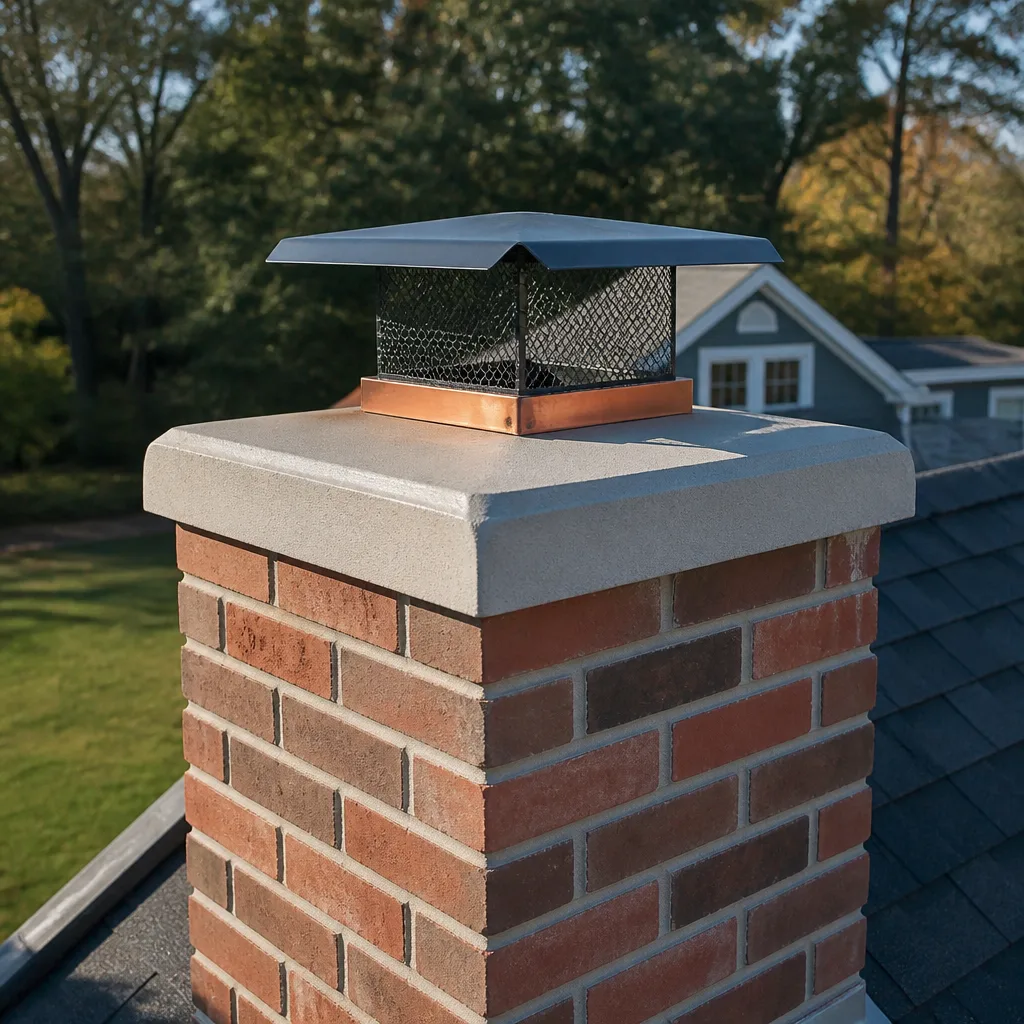 Caps & crowns
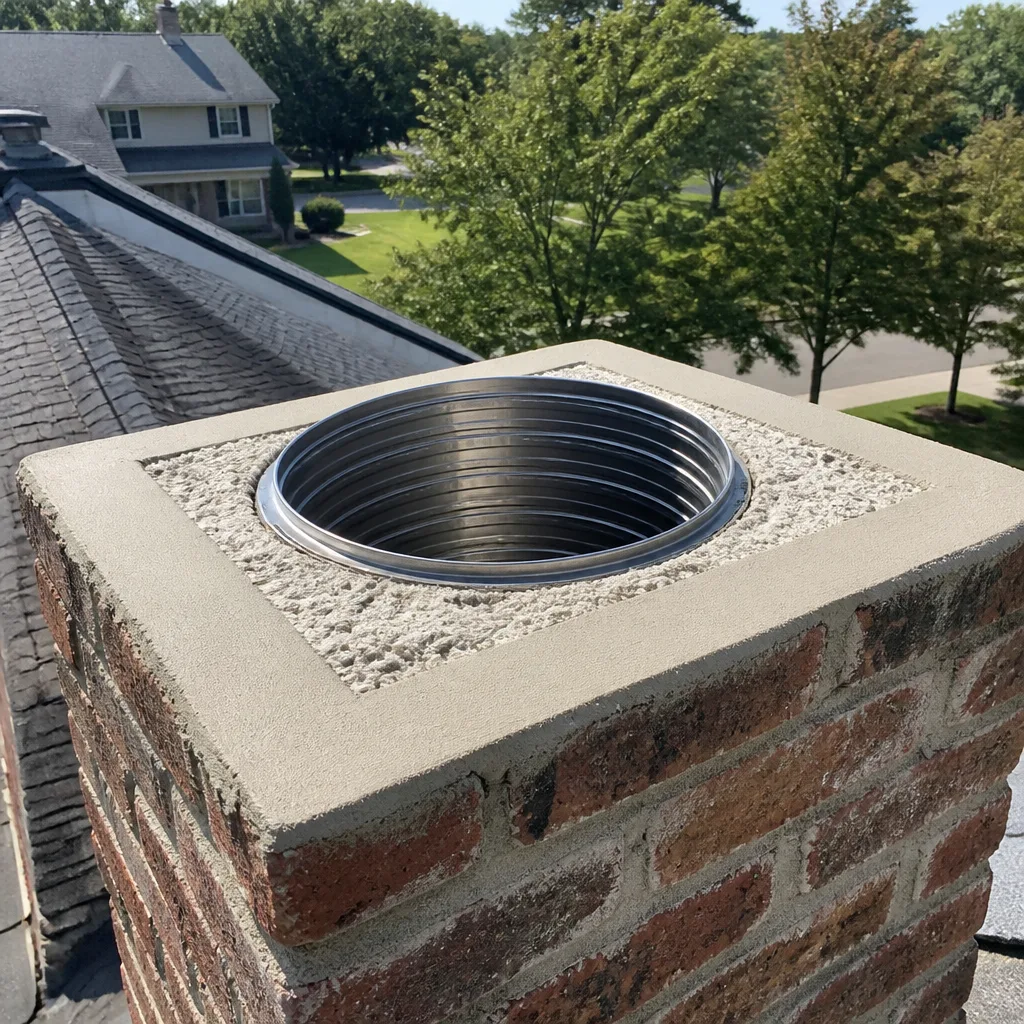 Flue relining
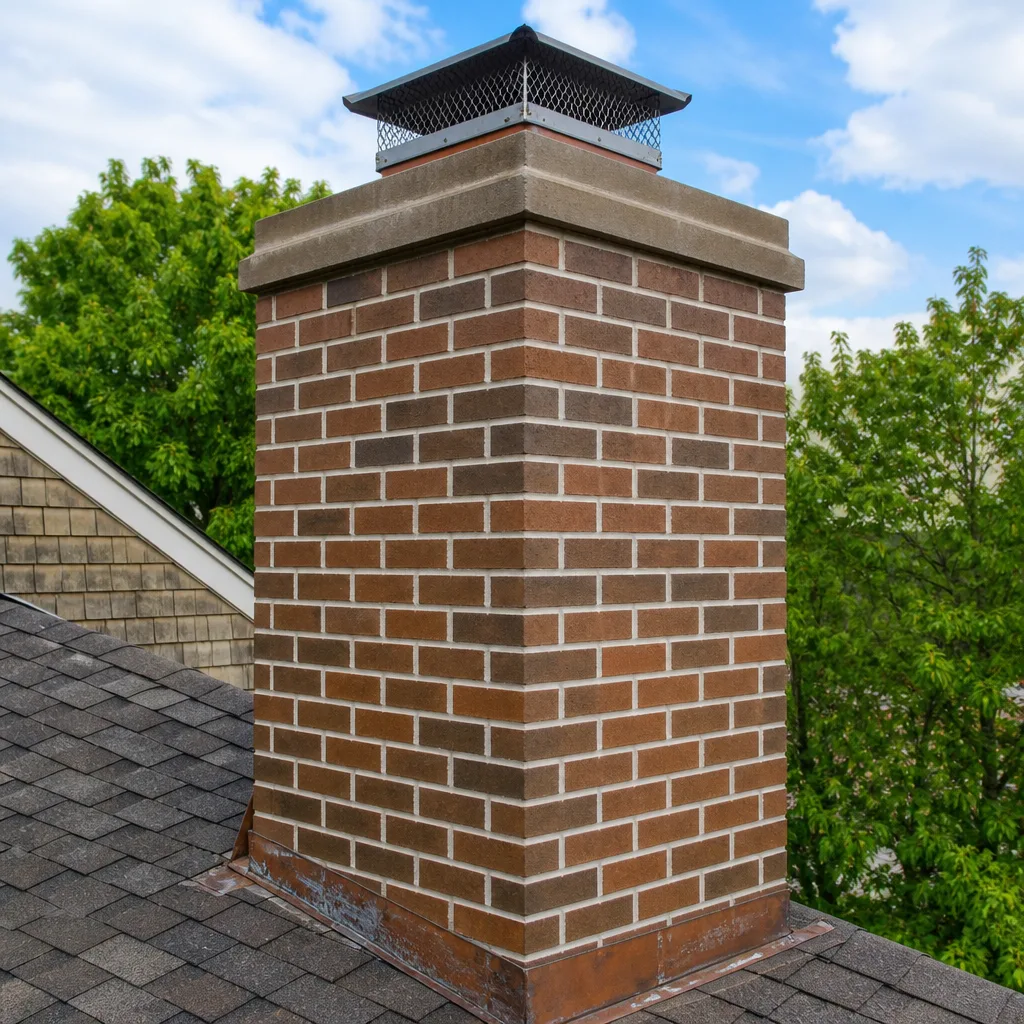 Masonry repair
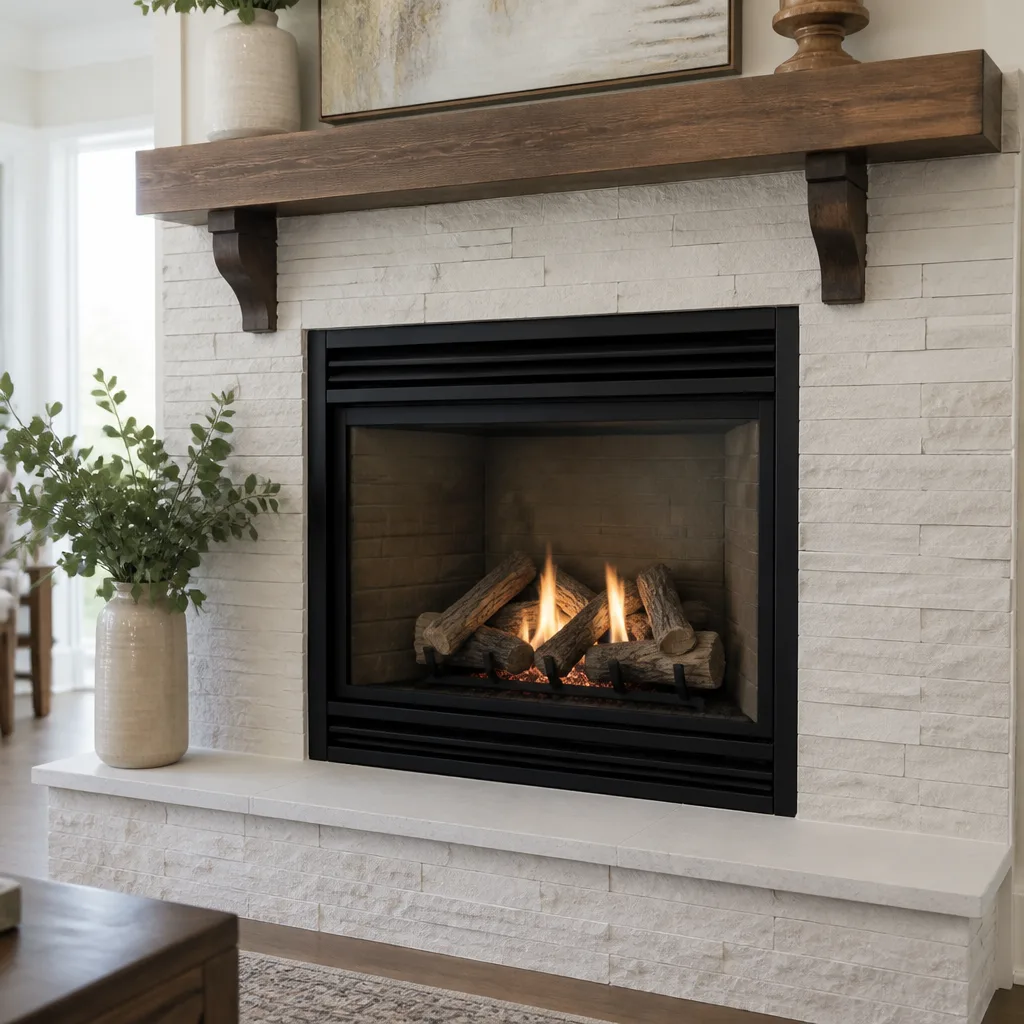 Gas fireplace service
Level 1 sweep and inspection to the NFPA 211 annual standard - flue, crown, cap, and flashing checked and photographed
Chimney sweep logs do not sweep chimneys. They loosen some creosote - which then falls where a brush and vacuum still have to collect it.
The Complete Chimney Sweep Guide for Victorville Homeowners
Most chimney guides read like they were written for a house in damp New England or rainy Oregon, where creosote builds thick and sticky and the main job is scraping it out before it glazes. Victorville is not that house. Up here on the high desert, the air is so dry that creosote forms differently, but the danger doesn’t go away. It shifts. Wide temperature swings between cold desert nights and hot afternoons work on brick, mortar, and clay flue liners in ways that coastal homeowners never see. This guide explains what actually happens inside a Victorville chimney, what a Chimney Sweep does about it, and how to know when you’re dealing with a routine cleaning versus a structural problem that needs real repair.
Styles & brands we work with
Quick Answer
A Chimney Sweep in Victorville is a professional inspection and cleaning of your fireplace and flue system, designed to remove creosote, soot, and debris while checking for cracks, blockages, and signs of deterioration. In the Victor Valley, the most common findings aren’t thick creosote but wind-driven debris, fine wildfire particulate, and cracked flue liners caused by thermal stress. Most Victorville homes with regular wood-burning use should be swept annually, ideally in late summer or early fall before burn season begins.
Table of Contents
- What a Chimney Sweep Actually Does in Victorville
- Why the High Desert Creates Different Chimney Problems
- Level 1 vs. Level 2 Inspections: What Victorville Homeowners Actually Need
- Wildfire Smoke Season and Your Chimney
- Wind, Cajon Pass Debris, and Blocked Dampers
- Cracked Flue Liners and the Desert Thermal Swing
- A Victorville Burn Season Maintenance Calendar
- The Other Fire Risk: Dryer Vents in Victorville Homes
- Common Mistakes to Avoid
- When to Call a Professional
- Frequently Asked Questions
- The Bottom Line
What a Chimney Sweep Actually Does in Victorville
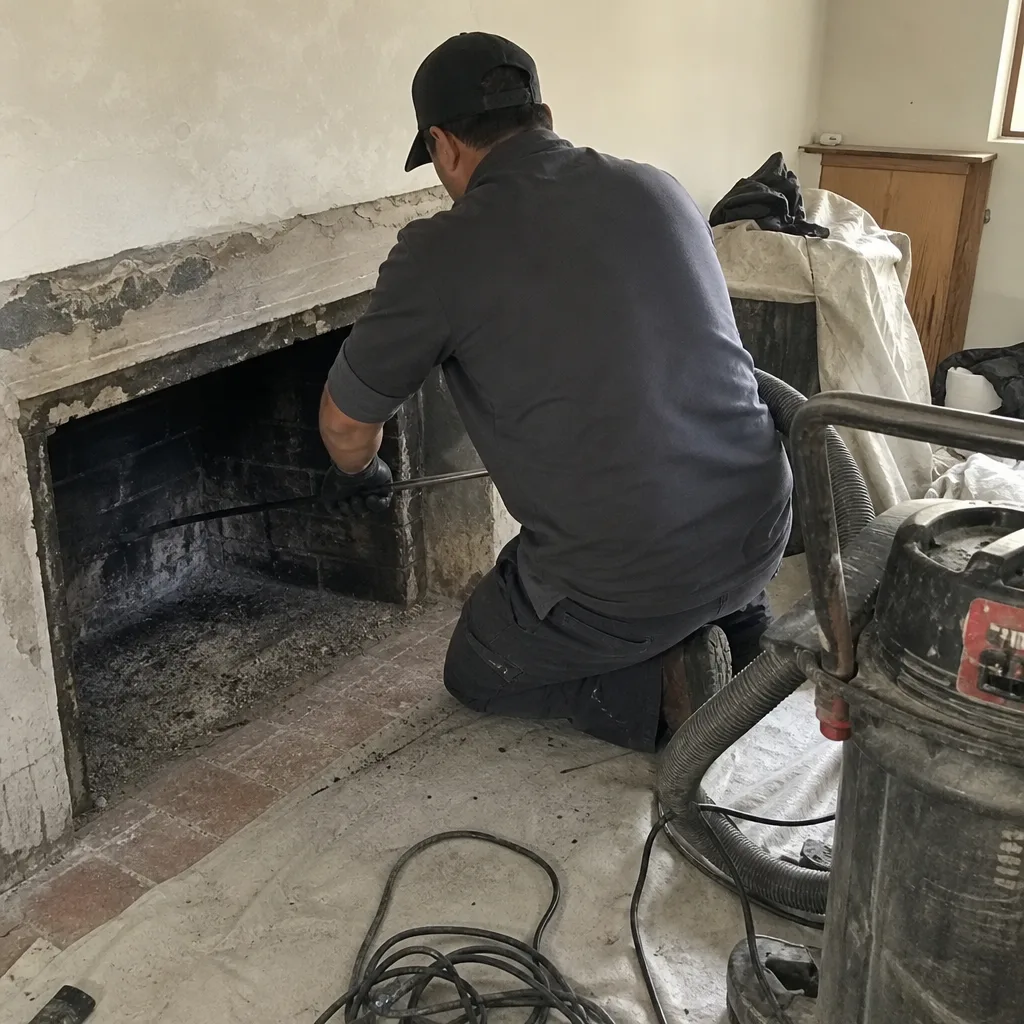
A chimney sweep is not just a guy with a brush on a stick. A proper sweep in Victorville involves a methodical process that starts before any cleaning begins and ends with a documented condition report. We’ve worked in hundreds of homes across the Victor Valley, and we treat every job as an inspection first and a cleaning second. That order matters. If you clean a chimney without understanding what’s already wrong with it, you miss the cracks and gaps that are the real safety issue.
The process breaks down into clear steps:
- Visual exterior check. We look at the chimney crown, cap, flashing, and exterior masonry for signs of spalling brick, cracked mortar, or rusted components. Wind and sun in Victorville hit these surfaces hard year-round.
- Interior flue inspection. Using a camera system, we examine the flue liner from top to bottom. This is where we find thermal cracks, deteriorated mortar joints, and accumulated deposits.
- Mechanical cleaning. Wire brushes sized to the flue dimensions scrub creosote and soot from the liner walls. In Victorville’s dry climate, this material tends to be flaky rather than sticky, which actually makes removal more straightforward when done properly.
- Smoke chamber and damper cleaning. The smoke chamber above the firebox and the damper assembly collect debris over time. We clean both and check damper operation.
- Firebox cleaning and inspection. Ash and debris are removed from the firebox, and we check the firebrick for cracks or loose sections.
- Final report. You get a clear summary of what we found, what we did, and what if anything needs monitoring or repair.
For most Victorville homeowners, a full sweep takes 45 to 90 minutes depending on the flue length and condition. The goal is more than a clean chimney. It’s an accurate picture of whether your system is safe to operate for another season.
Our approach at Pilgrim Chimney home has always been steady and methodical. We’d rather take the extra twenty minutes to document a cracked liner properly than rush through a cleaning and hand you a bill with no useful information.
Why the High Desert Creates Different Chimney Problems
Victorville sits at roughly 2,700 feet of elevation in the Mojave Desert, and that changes how chimneys behave. The same system that works fine in a coastal home can develop problems here in a fraction of the time. The primary variable is the temperature swing.
On a typical winter day, Victorville can see a 30 to 40 degree difference between the overnight low and the afternoon high. That’s normal for the high desert, but your chimney feels every degree. Brick, mortar, and clay flue liners all expand when heated and contract when cooled. Repeated daily cycles of expansion and contraction create micro-fractures in mortar joints and hairline cracks in clay liners. Over several years, those micro-fractures widen into gaps wide enough to let heat and combustion gases reach combustible materials around the chimney chase.
The second variable is moisture, or rather the lack of it. Dry air means creosote doesn’t get the same sticky, tarry consistency you see in humid climates. What forms instead is a drier, flakier deposit. That sounds like good news, and in some ways it is. Flaky creosote brushes out more easily than glazed tar. But dry creosote ignites at a lower temperature than dense, wet creosote. A hot, fast fire in a Victorville fireplace with a moderate flaky creosote buildup can still produce a chimney fire.
Low humidity also accelerates the deterioration of porous masonry. Without regular moisture, brick and mortar lose internal cohesion. Combined with high UV exposure at elevation, exterior masonry degrades faster than it would closer to sea level. We routinely see spalling brick on Victorville chimneys that are only twenty or thirty years old.
The third factor is wind. Victorville sits in a wind corridor. Gusts from the Cajon Pass and the surrounding high desert carry fine sand, dust, and debris. Over time, that grit abrades the exterior masonry and works its way into any small gap in a chimney cap or crown. We pull surprising amounts of fine sand out of chimneys that have been sitting unused for a single summer.
Level 1 vs. Level 2 Inspections: What Victorville Homeowners Actually Need
Chimney inspections in the United States follow NFPA 211 standards, which define three levels of inspection. Understanding the difference helps you know what you’re paying for and when a more thorough look is genuinely warranted.
Level 1 Inspection: This is the standard inspection done during a routine annual sweep. The technician examines the readily accessible portions of the chimney interior and exterior, verifies that the flue is clear of obstructions, and checks the basic condition of the liner, damper, and smoke chamber. No special tools beyond a flashlight and the sweep’s normal equipment are required. For most Victorville homeowners with a well-maintained chimney and no changes to the system, a Level 1 inspection alongside the annual sweep is appropriate.
Level 2 Inspection: This is a deeper examination that includes video scanning of the flue interior. It’s required by code when a property is sold or transferred, when a change is made to the system (new liner, new appliance, different fuel type), or after an event that may have damaged the chimney, such as an earthquake, chimney fire, or severe windstorm. A Level 2 inspection looks at the flue liner’s condition with a camera, checking for hidden cracks, gaps, and deterioration that a surface-level look would miss.
In the Victorville area, we recommend a Level 2 inspection in several specific situations that go beyond the code minimums:
- After a significant wildfire smoke event. Fine particulate and heat exposure can stress liners in ways that aren’t visible without a camera.
- After any chimney fire, even a small one. A chimney fire can crack a clay liner instantly, and you won’t know without looking.
- Before buying a home in Victorville. The high-desert thermal stress on masonry means older homes may have hidden liner damage that a standard home inspection won’t catch.
- If you’ve switched from occasional to regular wood burning. A chimney that was fine for a few fires per year may not be ready for nightly winter use.
- After a major windstorm. Debris impact or wind-driven damage to the cap and crown can compromise the whole system.
At Chimney Sweep in Victorville, we perform video inspections as part of our standard service because we’ve learned that in this climate, the problems that matter are rarely visible from the top of the flue alone. A camera inspection doesn’t add much time, but it catches issues that would otherwise go unnoticed until they become dangerous.
Wildfire Smoke Season and Your Chimney
Victorville sits downwind of some of the most active wildfire zones in California. When the San Bernardino National Forest or the San Gabriel Mountains burn, smoke and fine particulate drift across the Victor Valley for days or weeks at a time. A lot of that particulate settles inside chimneys, even when the fireplace hasn’t been used.
Wildfire smoke particulate is different from standard firewood creosote. It’s finer, drier, and carries a complex mix of compounds depending on what burned. Pine, manzanita, chaparral, and structures all produce different residues. What we’ve observed in chimneys throughout the Victor Valley after significant smoke events is a fine, powdery gray-brown deposit that clings to the flue walls. It’s not thick enough to create a creosote-style fire risk on its own in most cases, but it combines with existing creosote to form a denser, less predictable material. It can also clog the small passages in a damper assembly or settle unevenly in the smoke chamber.
Here’s the practical guidance we give to Victorville homeowners:
- After a wildfire smoke event, do a visual check. Shine a flashlight up into the flue from the firebox. If you see an unusual amount of fine dust or a gray film that wasn’t there before, schedule a sweep.
- Don’t assume an unused chimney is clean. Chimneys that sat cold during smoke season can actually collect more particulate than ones in active use, because there’s no upward draft pushing the particles out.
- Combine the sweep with a dryer vent check. Wildfire ash settles in dryer vent runs the same way it settles in chimneys. After heavy smoke in Victorville, we often find the exterior dryer vent hood coated in fine ash.
- Test your smoke and carbon monoxide detectors after smoke events. Ash can drift into detectors and reduce sensitivity.
One thing to understand: wildfire smoke exposure doesn’t usually require a different type of cleaning. The same mechanical brushing that removes standard creosote handles wildfire particulate effectively. What changes is the timing. A chimney that would have been fine until fall after a normal summer may need attention earlier if the Victorville area had significant smoke coverage.
Wind, Cajon Pass Debris, and Blocked Dampers
The Cajon Pass corridor funnels wind into the Victor Valley, and those winds carry more than temperature changes. They carry leaves, pine needles, twigs, sand, and the occasional piece of trash or roofing material from buildings upwind. If your chimney cap is damaged, rusted, or missing entirely, all of that material ends up inside your flue.
A blocked damper is one of the most common findings during a Victorville chimney sweep. Sometimes it’s organic debris piled up against the damper plate. More often, it’s a combination of sand and fine dust that has worked its way into the damper’s hinge mechanism, making it stiff or impossible to open fully. A damper that won’t open properly creates two problems: smoke backs up into the living space during use, and the chimney can’t draft correctly when the fireplace is cold, which forces cold desert night air down into the home and makes your heating system work harder.
What we check during every sweep in Victorville:
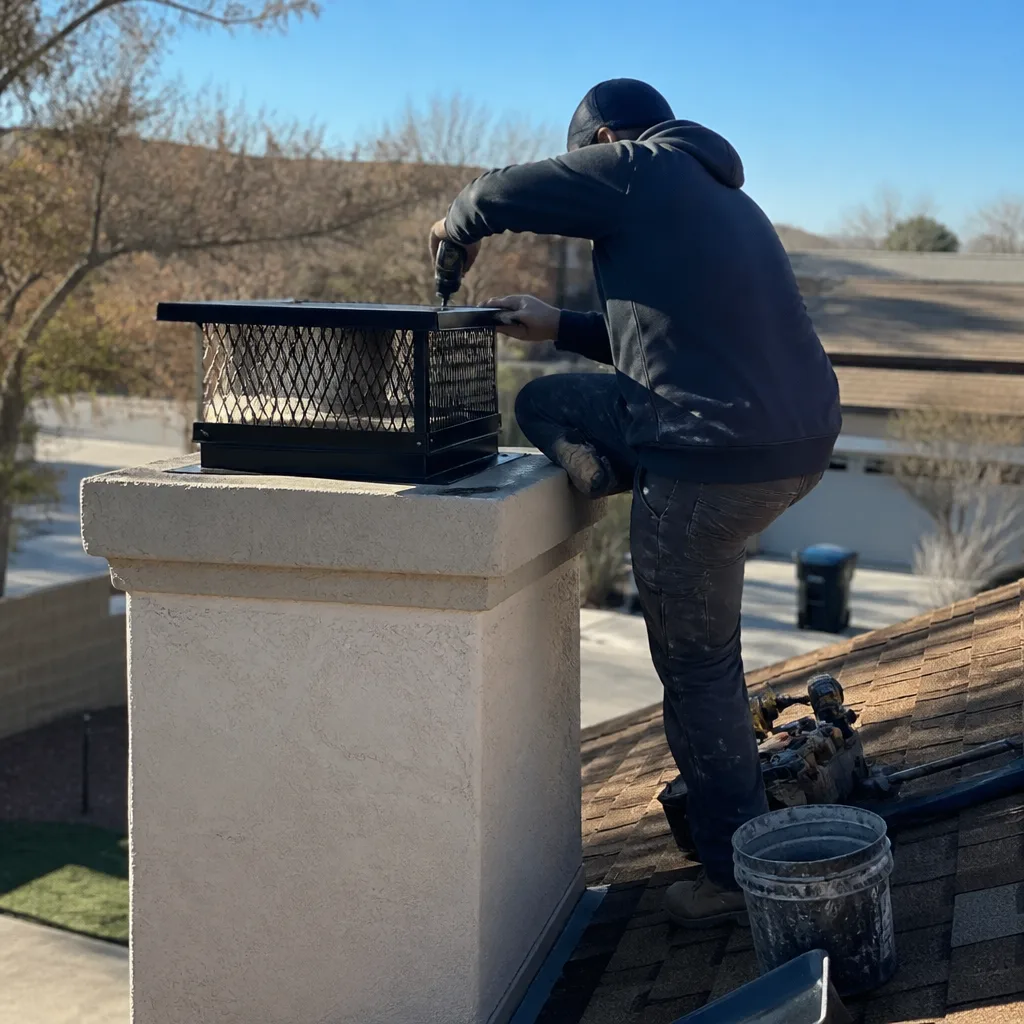
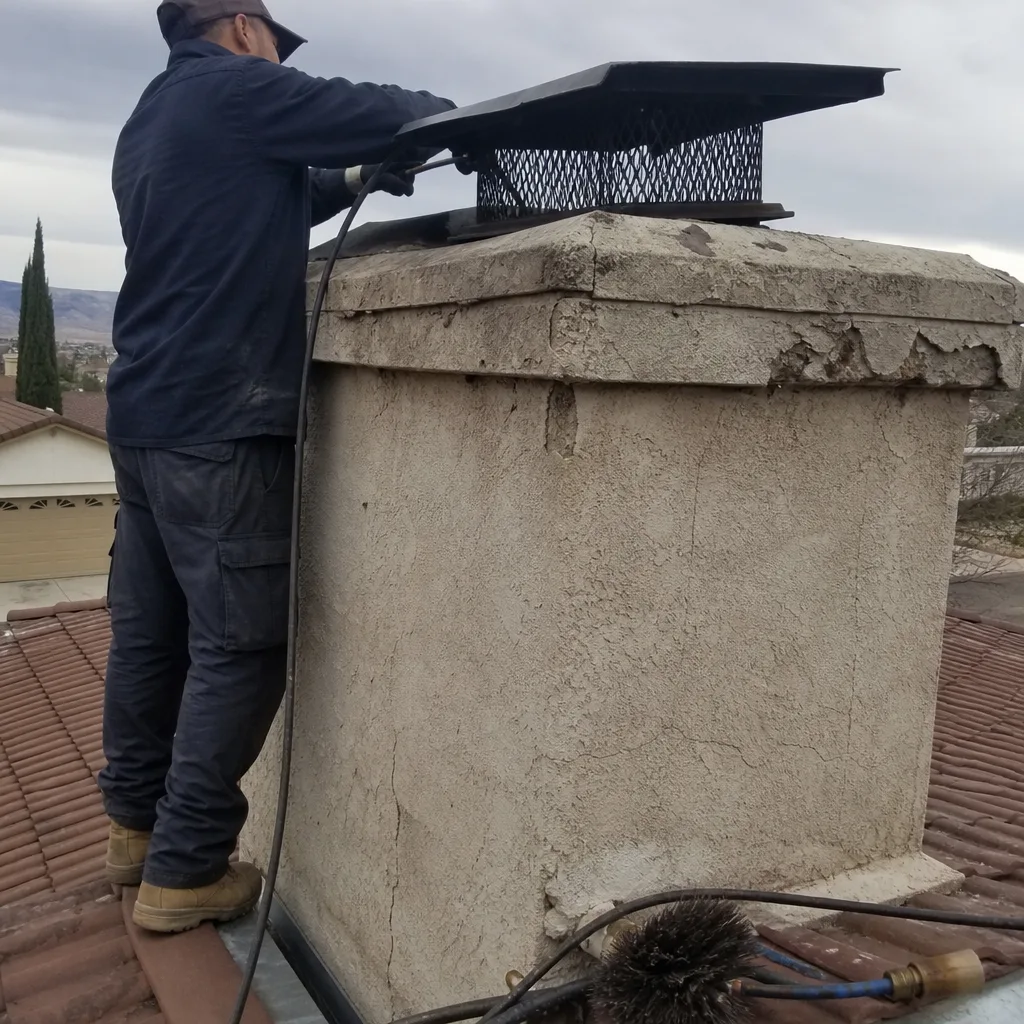
- Chimney cap condition. A proper cap should have mesh screening fine enough to keep out birds and most debris while still allowing adequate airflow. We see a lot of caps in the Victor Valley with mesh that’s rusted through or missing entirely.
- Damper operation. The damper should open and close smoothly through its full range. Sticking, grinding, or a damper that won’t seat fully is a sign that debris or corrosion has affected the mechanism.
- Flue clearance. Even with a good cap, wind-driven sand will gradually reduce the effective diameter of the flue. On chimneys that haven’t been swept in several years, we’ve removed enough sand and dust to fill a five-gallon bucket.
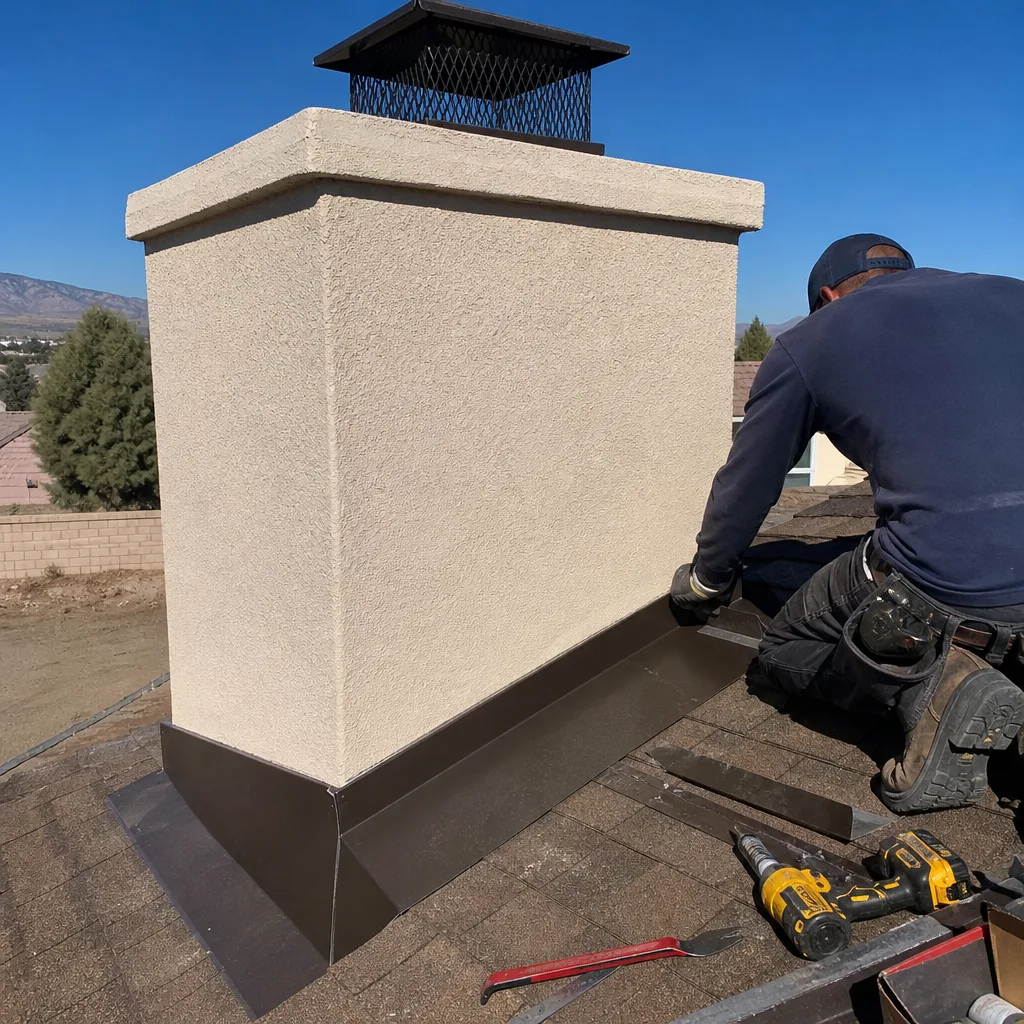
- Crown and wash condition. The concrete crown on top of the chimney is the first line of defense against water and debris intrusion. In Victorville’s sun and wind, crowns crack and deteriorate. A cracked crown lets wind-blown sand and the occasional rain directly into the masonry structure.
If your cap is missing or damaged, replacement is straightforward. We stock caps and components from Olympia Chimney and Copperfield, both of which hold up well to high-desert conditions. These aren’t the thin, stamped-metal caps you find at big-box hardware stores. They’re heavier gauge, with stainless steel and copper options designed to survive years of wind exposure.
Cracked Flue Liners and the Desert Thermal Swing
If there’s one problem we see more than any other in Victorville chimneys, it’s cracked clay flue liners. The daily thermal cycle we described earlier is relentless. Every fire heats the liner, every cold night contracts it, and the cycle repeats for years. Clay liners are durable, but they’re rigid. They don’t flex. Eventually, the stress creates cracks.
A hairline crack doesn’t sound dramatic, but the stakes are high. The flue liner’s entire job is to contain heat, sparks, and combustion gases and channel them safely out of the house. When a crack forms, those things can reach the brick structure around the liner or, in worst cases, the combustible framing of the house.
This is where the repair-versus-replace conversation matters. In the past, a cracked clay liner meant a full chimney rebuild or a complete liner replacement, both expensive and disruptive. Today, there’s a middle option: ceramic resurfacing systems like HeatShield. The process applies a ceramic material to the interior of the damaged flue, sealing cracks and restoring a smooth, insulated surface. It’s not a coating that sits on top of the problem. The material bonds to the existing clay and becomes part of the liner structure.
At Pilgrim Chimney, HeatShield resurfacing is a service we perform in-house. That’s worth emphasizing because most sweep-only companies in the Victorville area will find a cracked liner and then refer you to someone else for the repair. You wait, you coordinate, and you may not know the repair contractor’s work quality. Our Chimney Repair in Victorville service handles the full scope, from finding the damage to restoring the flue. DuraFlex stainless steel liners are another option for systems where resurfacing isn’t the right fit, and we install those as well.
The key point for Victorville homeowners is this: if a sweep tells you that you have a cracked liner, ask to see the video. Any legitimate chimney professional should be able to show you exactly what they’re seeing. If they can’t or won’t, get a second opinion.
A Victorville Burn Season Maintenance Calendar
Burn season in Victorville doesn’t follow the same rhythm as colder or wetter parts of the state. Here’s how we suggest timing your chimney maintenance through the year:
September: Pre-season sweep and inspection. This is the busiest month for chimney sweeps in the Victor Valley, and for good reason. The first cool nights of fall remind everyone that fireplace season is coming. Booking in early September beats the October rush and means your chimney is clean before the first fire.
October through March: Active burn season. Most Victorville homes do the majority of their fireplace use during these months. Pay attention to draft quality, smoke odor, and any unusual sounds. If you notice smoke backing into the room or a burning smell after the fire is out, stop using the fireplace and schedule an inspection.
Late March or April: Post-season inspection if you burned heavily. If you used the fireplace more than a few times per week through the winter, consider a post-season check. This is especially important after a year with significant wildfire smoke, since the combination of firewood creosote and smoke particulate creates a heavier deposit.
May through August: Off-season monitoring. During the hot months, your chimney is mostly idle, but the wind isn’t. Check the cap for visible damage after major windstorms, and if you’re home during a severe wind event, listen for unusual sounds from the chimney. A loose cap or damaged crown often announces itself.
When wildfire smoke is present: Add a visual inspection after the smoke clears. If you see unusual buildup or smell a lingering campfire odor near the fireplace when it hasn’t been used, schedule a sweep. Wildfire particulate can sit in the flue and produce that smell for months.
A note on monthly fire-safety habits that apply year-round in Victorville: test your smoke alarms monthly, and keep a fire extinguisher in a location you can reach quickly from the fireplace area. The Mojave’s dry air means fires, including chimney fires, spread faster than they would in more humid environments.
The Other Fire Risk: Dryer Vents in Victorville Homes
Chimneys get most of the attention when it comes to home fire safety, but dryer vents are statistically at least as dangerous. Lint is extremely flammable, and a clogged dryer vent pushes heat and lint together until ignition happens. The high-desert environment doesn’t help. Victorville’s dry air means lint is even more combustible than it would be in a humid coastal climate, and wind-blown sand and dust can settle in exterior dryer vent hoods, accelerating clogs.
We added Dryer Vent Cleaning in Victorville to our services because we saw too many homes where the chimney was well maintained but the dryer vent hadn’t been touched in a decade. From a fire-safety perspective, that’s an arbitrary line. Both systems move hot air and combustible material out of the house. Both deserve the same level of care.
Signs your dryer vent needs attention in Victorville:
- Clothes take longer than one cycle to dry completely.
- The exterior vent hood doesn’t open when the dryer is running, or opens only partially.
- The laundry room gets noticeably hot and humid during a drying cycle.
- There’s a burning smell while the dryer runs.
- You can’t remember the last time the vent was cleaned.
If you’re having the chimney swept before burn season, ask about the dryer vent in the same call. It’s the same fire-safety discipline applied to a different system, and doing both at once is more efficient than scheduling two separate visits.
Common Mistakes to Avoid
- Skipping the sweep because you “only burn pressed logs.” Pressed logs produce less creosote than natural wood, but they still produce deposits, and they don’t address wind-blown debris, cracked liners, or damper problems. The flue still needs attention.
- Assuming a missing cap is no big deal. In Victorville’s wind corridor, an uncapped or damaged chimney fills with sand, leaves, and even birds. A bird’s nest inside a flue is a complete blockage and a serious carbon monoxide risk if the fireplace is used.
- Using the fireplace as a trash incinerator. Burning wrapping paper, cardboard, or household trash in a fireplace releases unpredictable compounds and increases creosote formation. Only burn seasoned firewood or approved pressed logs.
- Ignoring a damp, musty smell from the fireplace in summer. In the high desert, a persistent damp smell from a chimney that hasn’t seen rain usually means an animal has gotten in, or there’s a blockage trapping moisture. It won’t fix itself.
- Waiting until November to book a sweep. Every chimney service in Victorville is booked solid by November. If you wait, you’ll either wait weeks or skip the year entirely. September is the smart month.
- Treating a Level 1 inspection as if it catches everything. A standard sweep checks what’s visible. Hidden liner cracks, internal damage from a previous chimney fire, and blocked smoke chambers need a video inspection to identify. If you haven’t had a Level 2 inspection and your chimney is over 20 years old, consider one.
- Forgetting the dryer vent in your fire-safety routine. Thousands of residential fires start in dryer vents every year. If you think of your home’s fire-safety as a whole system, the chimney and the dryer vent are two sides of the same discipline.
When to Call a Professional
Chimney sweeping is skilled work, and in most cases it’s not a do-it-yourself project. The flue interior is difficult to access safely without proper equipment, and a thorough job requires knowing what to look for after the brushing is done. Call a professional if you notice any of these warning signs in your Victorville home: smoke backing into the room during use, a persistent burning smell near the fireplace when no fire is lit, visible cracks in the exterior masonry, loose or missing chimney caps, or any sign of animals nesting near the flue. If you’ve had a chimney fire, even a small one, stop using the fireplace immediately and schedule a video inspection before the next burn. Pilgrim Chimney offers free estimates in Victorville, call (866) 253-5031 to schedule a sweep or discuss a concern. We’ll tell you honestly whether the work can wait or needs prompt attention.
Frequently Asked Questions
A standard chimney sweep and Level 1 inspection in Victorville typically ranges from $180 to $300, depending on flue size, accessibility, and the amount of buildup present. If a Level 2 video inspection is needed, it adds to the cost but provides a complete picture of the liner and internal structure. Call (866) 253-5031 for an exact quote, estimates are free.
Most Victorville homes with regular wood-burning use should be swept once per year, ideally in September before burn season starts. Chimneys that see only occasional use can sometimes go two years, but annual inspection is still recommended because wind-driven debris and wildlife can create blockages even in unused flues.
Not necessarily. A cracked clay liner can often be restored with a HeatShield ceramic resurfacing treatment, which seals the cracks and restores the flue’s integrity without a full replacement. Full liner replacement with a stainless steel system like DuraFlex is reserved for cases where the existing liner is too deteriorated to serve as a base. Ask to see the video evidence before agreeing to any liner work.
If you skip the sweep, you risk a chimney fire from creosote buildup, carbon monoxide exposure from a blocked flue, or slow structural damage from a cracked liner that goes undetected. In Victorville’s dry, windy environment, these problems accumulate faster than most homeowners expect. Call (866) 253-5031 to schedule a sweep, it’s a small investment compared to the alternatives.
Wildfire smoke deposits fine particulate inside the flue that combines with existing creosote and settles in dampers and smoke chambers. It doesn’t usually cause direct damage, but it can clog small passages and increase the material that would feed a chimney fire. After significant smoke events in Victorville, a visual check is prudent.
In many cases, yes. Minor issues like damaged caps, loose dampers, and small masonry repairs can often be addressed during the sweep appointment. More involved work like liner resurfacing is scheduled separately. At Pilgrim Chimney, the repair work is done by the same company that found the problem, which saves you the hassle of coordinating between a sweep and a separate contractor.
The Bottom Line
Victorville’s high-desert climate creates chimney conditions that generic sweep guides don’t address. Thermal swing cracks liners, wind fills uncapped flues with debris, and wildfire smoke adds particulate that behaves differently than standard creosote. A proper annual sweep in September, paired with occasional video inspections and attention to the dryer vent, covers the realistic risks of living and burning wood in the Victor Valley. The goal isn’t just a clean chimney. It’s a system you can trust every time you light a fire. If you haven’t scheduled your sweep for this season, call (866) 253-5031 and we’ll get it done right.
Written by the team at Pilgrim Chimney, serving Victorville since 2014.
See the difference
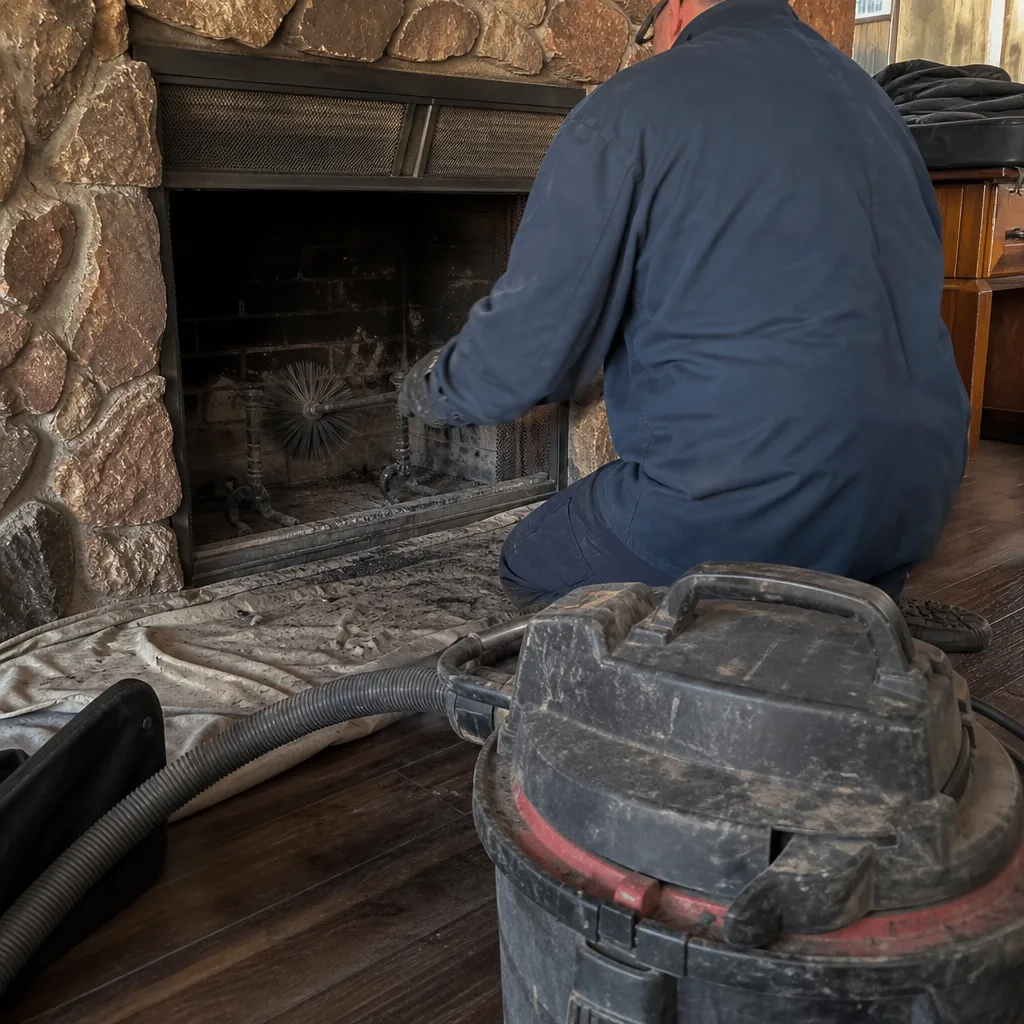 Before
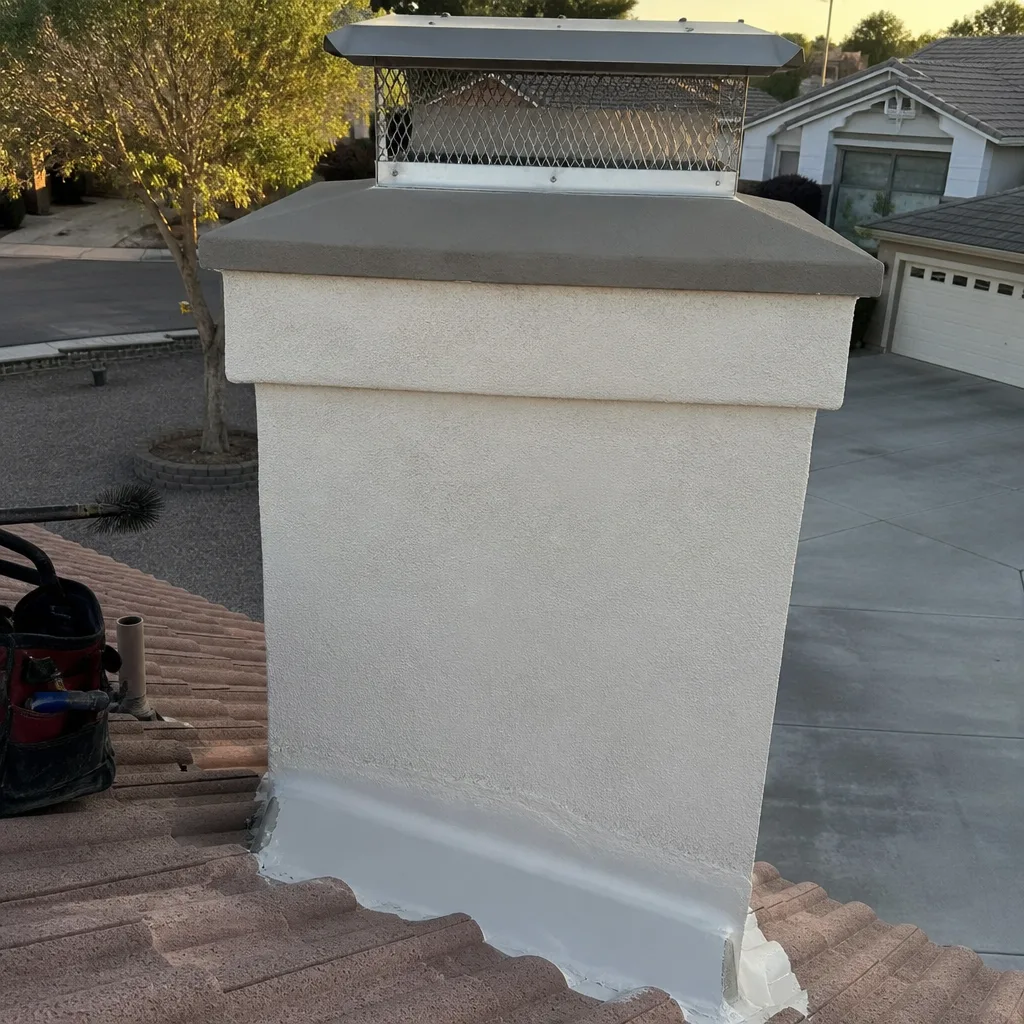 After
 Before
 After
 Before
 After