Last updated October 30, 2026
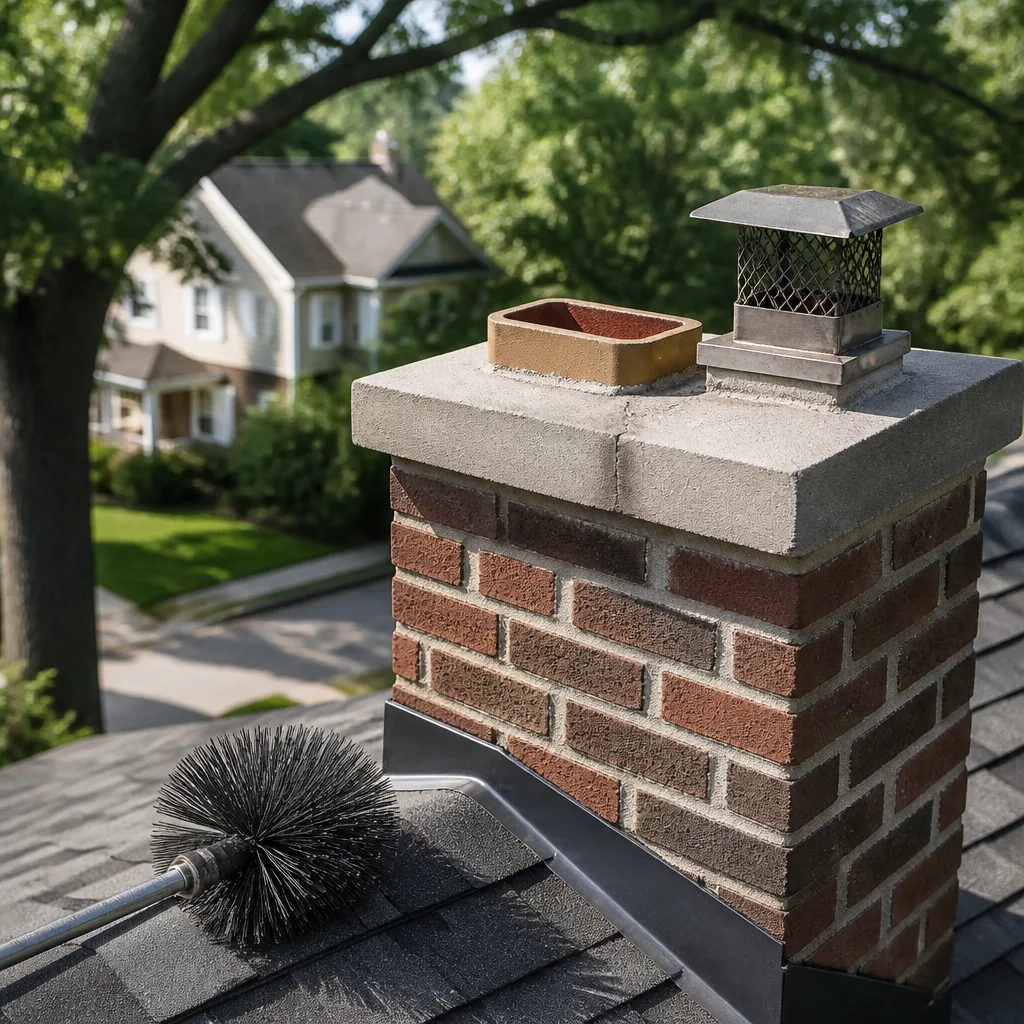 Sweep & inspection
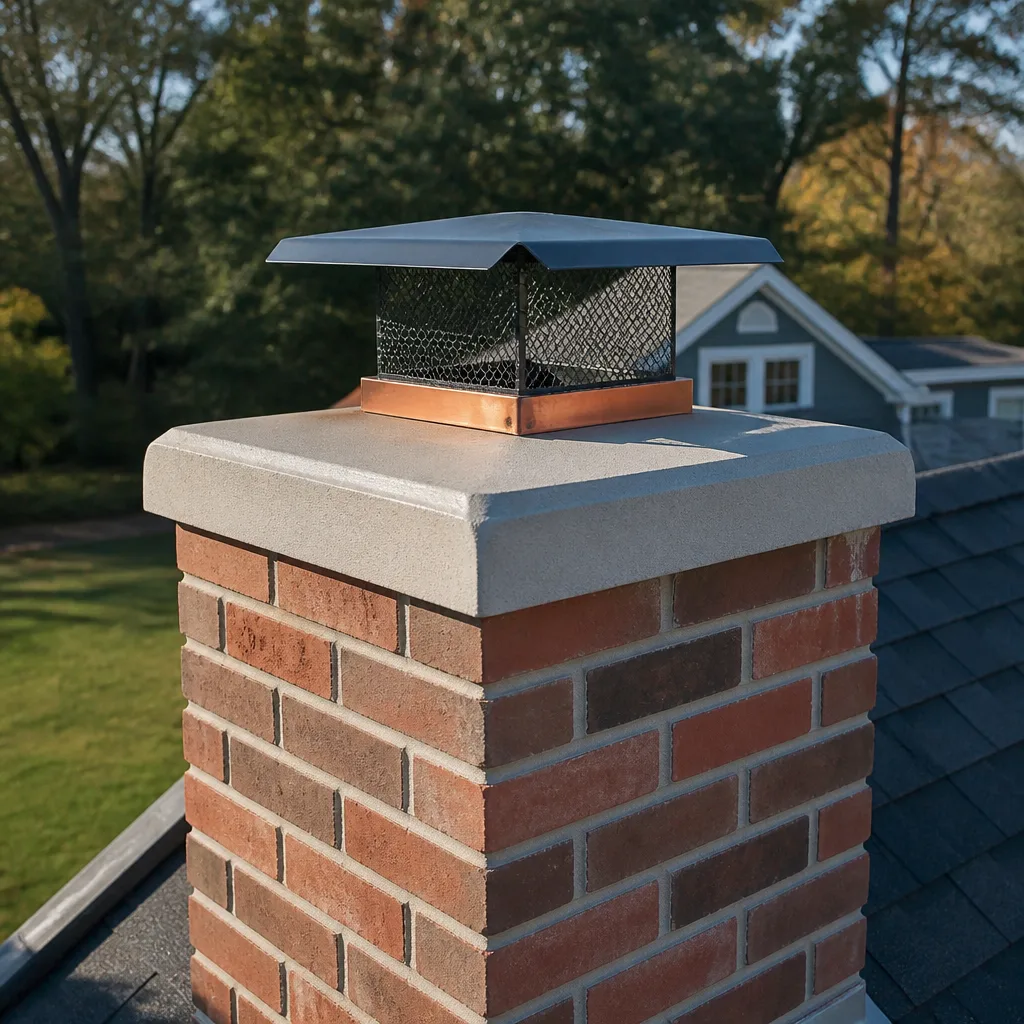 Caps & crowns
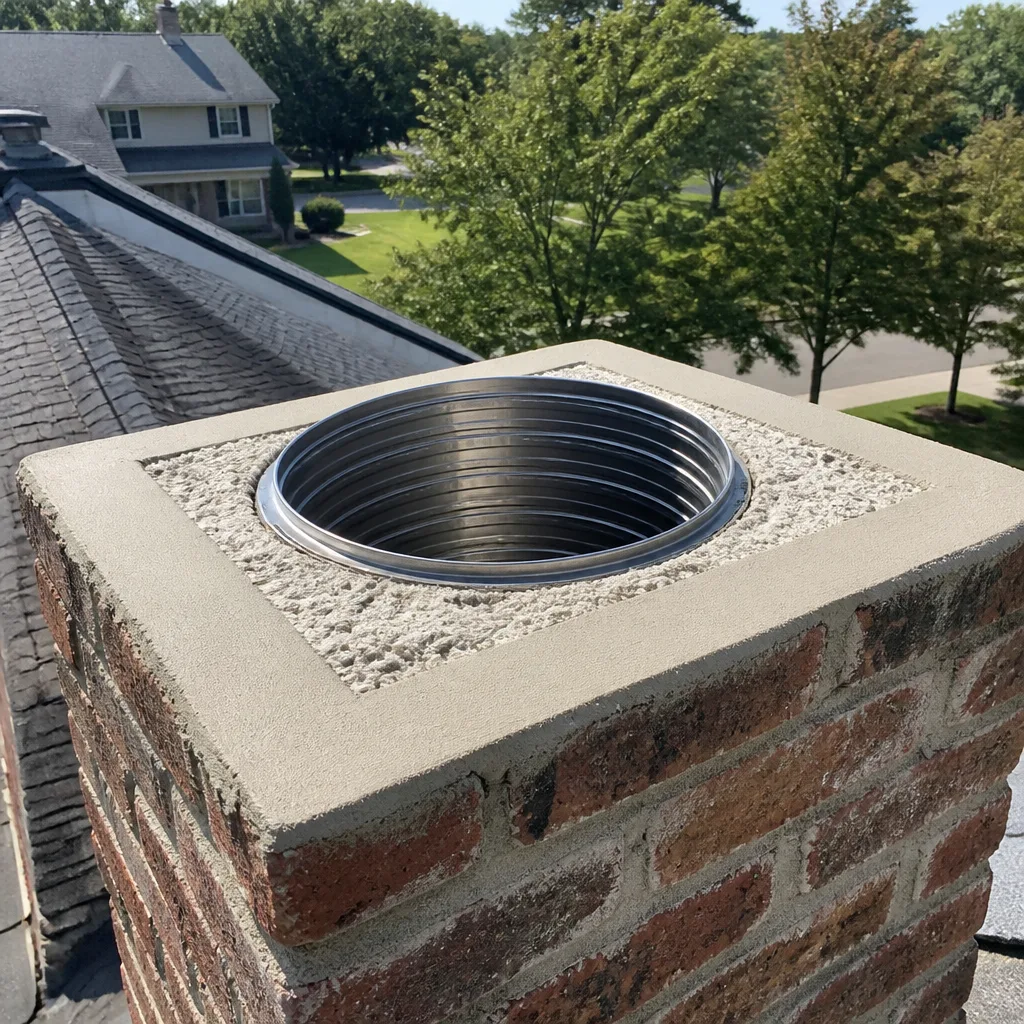 Flue relining
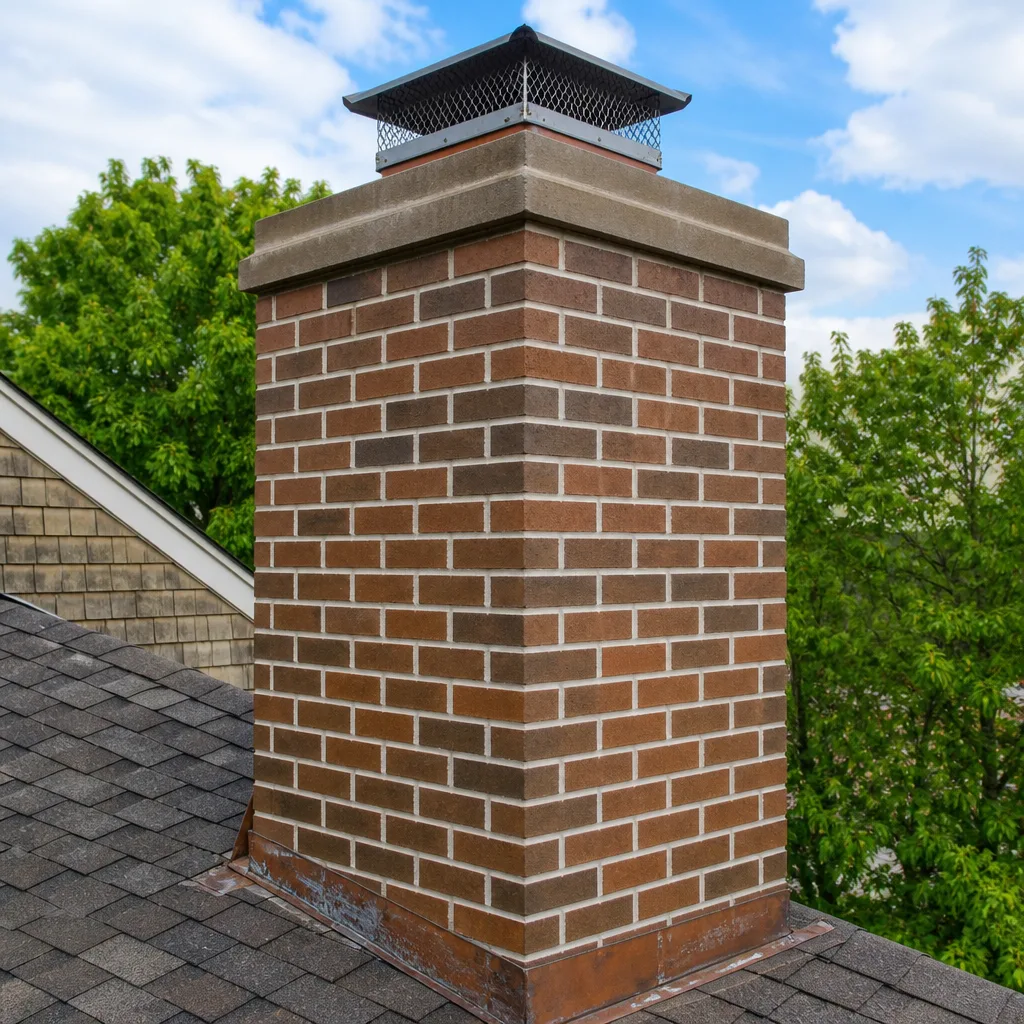 Masonry repair
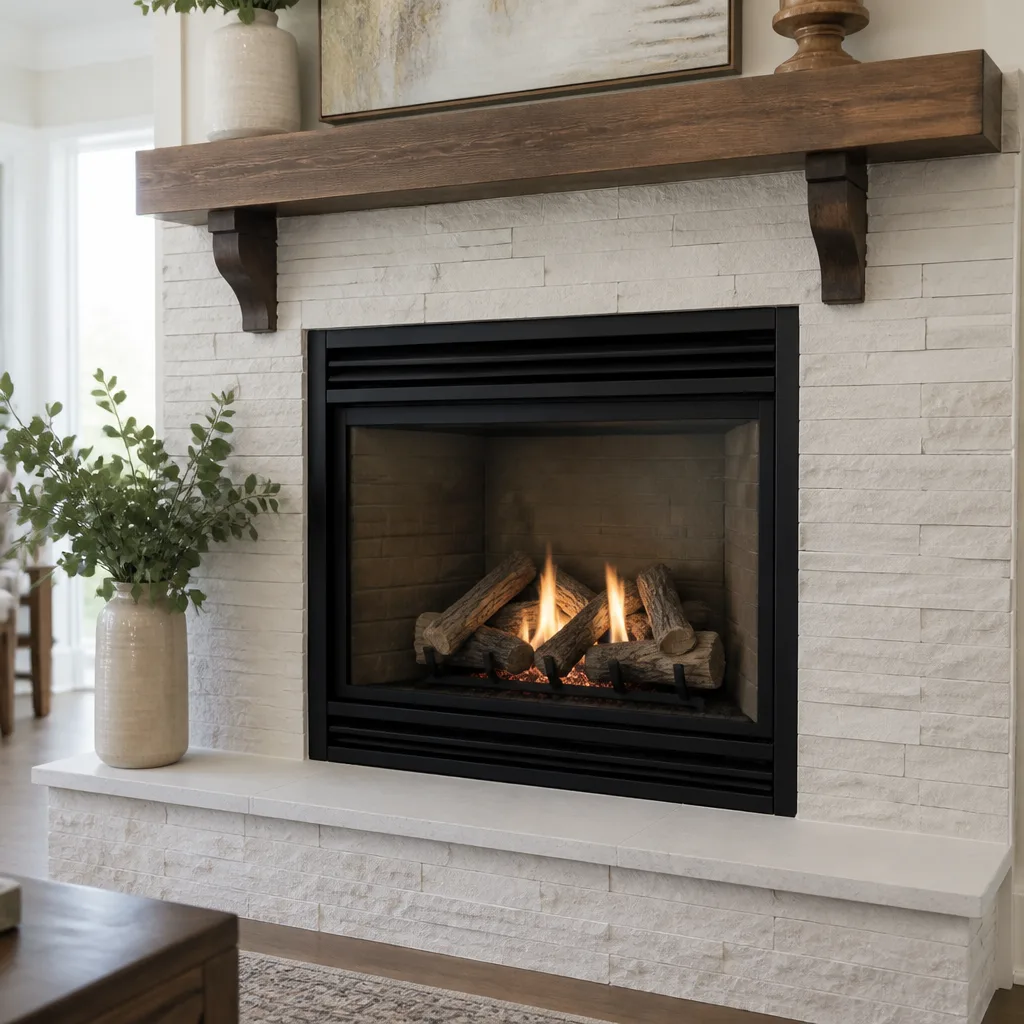 Gas fireplace service
Level 1 sweep and inspection to the NFPA 211 annual standard - flue, crown, cap, and flashing checked and photographed
Chimney sweep logs do not sweep chimneys. They loosen some creosote - which then falls where a brush and vacuum still have to collect it.
Choosing the Right Chimney Cleaning Brand: A Buyer’s Guide for Victorville
Most Victorville homeowners couldn’t name a single brand a professional chimney sweep actually uses. Not one. Yet the difference between a sweep who arrives with professional-grade rotary equipment and one who shows up with a hardware-store brush kit is often invisible until something goes wrong. This guide pulls back the curtain on the products, materials, and manufacturers that trained chimney technicians rely on in the High Desert, so when you’re comparing services in Victorville, you know exactly what questions to ask and which answers signal professional work versus a residential patch job.
Styles & brands we work with
Quick Answer
Choosing the right chimney cleaning brand in Victorville means asking one question: what products does your sweep use when the basic brush isn’t enough? Professional services build their work around systems from manufacturers like Olympia Chimney, Famco, Copperfield, and DuraFlex, while budget operations rely on consumer-grade kits. The brand names matter because they reflect access to distributors, training, and materials that can actually resolve creosote buildup, damaged flues, and water intrusion rather than just knocking loose soot.
Table of Contents
- Why Brand Names Matter in Chimney Work
- Cleaning Equipment: What Professional Sweeps Actually Use
- Creosote Removal Products and When They’re Appropriate
- Repair Materials: Sealants, Crown Coats, and Liner Systems
- What to Ask a Contractor About Their Materials
- Why Victorville’s Climate Makes Brand Choice Critical
- Whole-Home Consistency: What the Same Brands for Chimney and Dryer Vent Cleaning Signal
- Common Mistakes to Avoid
- When to Call a Professional
- Frequently Asked Questions
- The Bottom Line
Why Brand Names Matter in Chimney Work
Chimney cleaning looks simple from the outside. A brush goes up, soot comes down, and the job is done. But ask any trained technician who has worked in Victorville’s older housing stock, and you’ll hear a different story. The difference between a thorough, safe cleaning and a cosmetic one often comes down to the equipment and materials being used, and those choices are usually tied to specific manufacturers that have spent decades engineering products for this exact trade.
Professional chimney technicians source their materials from industry distributors, not the shelves of big-box stores. That’s not snobbery. It’s a supply chain distinction. Companies like Olympia Chimney and Famco manufacture products specifically for certified chimney professionals, with engineering tolerances, material grades, and safety testing that consumer products rarely meet. When a sweep uses these brands, it signals something important: they’ve been vetted by a distributor, they carry professional insurance, and they’re accountable to a standard that goes beyond the weekend DIY project.
Contrast that with what’s available at a typical hardware store. The brushes are often stiff-bristle designs that can scratch flue liners or miss creosote in irregularly shaped flues. The rods are lightweight aluminum that flexes unpredictably. The sealants are general-purpose caulks never intended for the temperature extremes of a chimney chase. To an untrained eye, the tools look similar. In practice, they produce different results, and in a place like Victorville where summer heat exceeds 100 degrees and winter fires run hot, those differences accumulate quickly.
Cleaning Equipment: What Professional Sweeps Actually Use
The most visible piece of equipment in any chimney cleaning is the brush system, and here’s where brand choice is immediately apparent to anyone who knows what to look for. Professional sweeps in Victorville typically work with rotary cleaning systems from manufacturers like Olympia Chimney and Famco, which produce polypropylene and wire brush heads designed for specific flue dimensions and liner materials. These aren’t the generic wire brushes you’ll find at a hardware store. They’re sized to the fraction of an inch for each flue type, whether it’s a rectangular masonry flue in a 1970s rancher near Victor Valley College or a round stainless liner in a newer Spring Valley Lake home.
The difference matters because using the wrong brush on the wrong flue is a genuine problem. A wire brush dragged through a stainless steel liner can score the surface, creating grooves where creosote clings and corrosion begins. A poly brush used on glazed creosote won’t remove anything at all; it just polishes the surface. Professional equipment avoids this because it’s designed with the pairing in mind. A proper chimney sweep in Victorville starts with a visual inspection and liner-type assessment before any brush touches the flue.
Rotary systems are another marker. Instead of the up-and-down scrubbing motion of a traditional brush, rotary systems use a spinning head that conforms to the flue’s interior contours while the technician works from the fireplace opening or the roof. This does two things: it removes creosote more completely, especially the hard, glazed deposits that form when oak or mesquite burns at high temperature, and it minimizes the physical stress on older masonry flues that may already have hairline cracks from decades of High Desert heat cycling.
Creosote Removal Products and When They’re Appropriate
Creosote builds up in stages, and each stage calls for a different approach. First-stage creosote is a light, flaky soot that brushes remove easily. Second-stage is crisper and more granular, like coffee grounds baked onto the flue walls. Third-stage is the dangerous one: glazed, tar-like creosote that forms a hard, shiny layer and feeds chimney fires with high intensity. Products like Rutland’s creosote removers have legitimate professional applications, but they’re not a substitute for mechanical cleaning, and anyone who tells you otherwise is selling you a shortcut.
Here’s what a trained technician in Victorville thinks when creosote removal products come up:
- Stage one creosote: No chemical product needed. A proper brushing with professional equipment handles it completely.
- Stage two creosote: Mechanical removal is still the primary approach. Some technicians use a creosote conditioner product between cleanings to make the deposits easier to remove on the next visit.
- Stage three glazed creosote: This is the serious stuff. Chemical products alone won’t remove it. Professional methods include rotary chain systems, chemical torch treatments, or in some cases flue access panels. This is not a time for drugstore fixes.
The key thing to understand about brand-name creosote removal products is their proper role. They’re supplementary tools in a professional’s arsenal, not primary solutions. A sweep who arrives with a spray bottle and no rotary equipment is not doing the job you’re paying for. A sweep who mentions Rutland or similar products as part of an approach that still centers on mechanical cleaning is speaking like someone who understands the actual chemistry and physics of creosote. That’s a good sign.
Repair Materials: Sealants, Crown Coats, and Liner Systems
When a chimney inspection uncovers damage, the materials used for repair determine whether the repair lasts five years or twenty-five. This is where chimney repair in Victorville separates into two tiers, and the divide comes down almost entirely to brand and material grade.
Professional chimney repair products include manufacturers like Copperfield for chimney covers and chase tops, DuraFlex for stainless steel liner systems, and Gelco for sealants and waterproofing compounds. These names matter because they’re engineered for specific chimney applications: temperature swings from freezing winter mornings to 110-degree summer afternoons, sustained exposure to flue gases, and direct contact with masonry that expands and contracts constantly. A general-purpose silicone caulk from a hardware store cannot match that performance envelope.
The most significant example in Victorville is waterproofing. The High Desert gets about 6 inches of rain annually, and homeowners sometimes think that means water intrusion isn’t a concern. They’re wrong on two counts. First, occasional heavy downpours penetrate chimney crowns just as effectively here as anywhere. Second, the real enemy is the freeze-thaw cycle. Victorville winter nights regularly dip below freezing, and water that has seeped into masonry pores expands by about 9 percent when it freezes, slowly spalling brick faces and widening micro-cracks. Professional waterproofing products like Gelco’s chimney-grade sealants are vapor-permeable, meaning they keep liquid water out while allowing the masonry to breathe. That’s not a minor detail. A non-permeable sealant traps moisture inside the chimney structure and accelerates deterioration from within.
DuraFlex liner systems deserve particular attention. Many Victorville homes built in the 1970s and 1980s have clay tile liners that are now cracked, offset, or missing sections. The traditional fix was a full liner replacement involving demolition and major reconstruction. DuraFlex is a stainless steel liner system that gets installed inside the existing flue, providing a continuous, insulated pathway for combustion gases without tearing apart the chimney chase. It’s a technically advanced solution that requires professional training to install correctly, which is why you’ll see it mentioned by companies doing serious chimney work in the High Desert, and not by sweep-only operations that subcontract their repair work out.
What to Ask a Contractor About Their Materials
You don’t need to become a chimney technician to evaluate a contractor. You need to ask three or four specific questions and pay attention to how the answers sound. Here’s a step-by-step approach that works when you’re getting quotes from chimney services in Victorville:
- Ask what brand of cleaning equipment they use. A professional with rotary systems will name the manufacturer without hesitation: Olympia Chimney, Famco, or another recognized trade brand. A vague answer like “we use professional equipment” without a brand attached is worth following up on.
- Ask what liner system they install and where they source it. If they answer “DuraFlex” or another trade brand and can explain why, that’s a strong signal. If they say they’ll “figure it out” or quote a hardware-store product, keep looking.
- Ask whether they use professional-grade sealants and waterproofing compounds. A service that can name the manufacturer (Gelco, for instance) is drawing from a professional supply chain, not a retail shelf.
- Ask about training on the specific equipment. Brands like Famco and Olympia Chimney require distributor relationships and often provide training to certified technicians. A contractor who uses these products has likely invested in that training.
- Listen for evasion. If a contractor dodges brand questions or says brands don’t matter, that’s an answer in itself. Brands matter because engineering standards matter. An unwillingness to explain materials often signals a lack of confidence in them.
In our experience working across Victorville’s neighborhoods, from the older developments near the fairgrounds to newer construction off Bear Valley Road, homeowners who ask these questions consistently make better hiring decisions. The contractors who welcome the questions tend to be the ones with nothing to hide.
Why Victorville’s Climate Makes Brand Choice Critical
Victorville sits at roughly 2,900 feet of elevation in the Mojave Desert, and the climate here treats chimneys harshly. Summer temperatures routinely reach triple digits, with surface temperatures on a dark brick chimney exceeding 140 degrees. Winter nights drop below freezing with regularity. The thermal stress on masonry, mortar joints, and flue liners is constant and cumulative. Add in wind-driven dust and the occasional heavy downpour, and you have an environment that punishes substandard materials relentlessly.
This is not a place where generic products cut it. Sealants that perform adequately in coastal California’s mild, stable climate fail quickly in Victorville’s temperature swings. A chimney crown coated with hardware-store sealant will typically start showing cracks within two to three seasons here. A professional-grade crown coat system, properly applied with a product designed for the thermal expansion rates of masonry chimneys, lasts far longer because it was engineered for exactly these conditions.
There’s also the fuel factor to consider. Many Victorville homeowners burn seasoned oak, mesquite, and other dense hardwoods. These woods produce creosote that runs hot and hardens into glazed deposits faster than softer woods. Professional-grade cleaning equipment is built to handle that. Consumer brushes bend and break against the kind of accumulation that forms after a season of oak fires. The difference shows up in how completely the flue gets cleaned, and how safely the chimney performs through the next burning season.
Whole-Home Consistency: What the Same Brands for Chimney and Dryer Vent Cleaning Signal
Here’s something most Victorville homeowners never think to ask: does the company using professional-grade materials for chimney work apply the same standard to dryer vent cleaning? The answer reveals more about a contractor’s overall philosophy than any marketing language. A company that invests in professional rotary equipment for chimney sweeping but rents consumer-grade tools for dryer vents is telling you something about what they think of the dryer vent as a fire risk. It’s an afterthought.
The reality is that the same principles apply to both systems. A clogged dryer vent is one of the leading causes of residential fires in the United States, and removing compacted lint from a long vent run requires professional-grade equipment just as chimney cleaning does. The rods need to flex and reach without breaking. The brush heads need to fit the duct diameter precisely. The system needs to spin at the right speed, with the right torque, to dislodge compacted lint without damaging the duct walls. Dryer vent cleaning in Victorville done with professional equipment produces measurably better results than a leaf blower taped to a hose, which is a real technique some cut-rate services still use.
This is why we apply the same professional-grade standard across both services. The rotary systems, the rod assemblies, the inspection cameras, the training: all of it comes from the same professional supply chain, whether we’re cleaning a masonry flue near Eagle Ranch or a dryer vent in a Spring Valley Lake laundry room. The consistency matters because it reflects an underlying philosophy about fire safety. Your fireplace and your dryer vent are the two most common sources of residential fires involving accumulated debris. They deserve the same level of care, the same professional tools, and the same unhurried, methodical approach.
Common Mistakes to Avoid
- Assuming all chimney sweeps use the same equipment. They don’t. The gap between professional rotary systems and consumer-grade brushes is wide, and it shows up in how thoroughly creosote gets removed and how well the flue is protected during cleaning.
- Buying creosote removal logs instead of scheduling a sweep. Products like Rutland’s creosote removers have legitimate roles, but they’re supplements for maintenance between cleanings, not replacements for mechanical removal. Glazed creosote will not come off with a log.
- Accepting a repair quote without asking what materials will be used. A cheap sealant quote is not a bargain if the material fails in two Victorville winters. Ask for brand names and be suspicious when they’re not forthcoming.
- Treating chimney cleaning and dryer vent cleaning as unrelated services. They serve the same goal: removing combustible debris from exhaust pathways. A contractor who takes both seriously with professional equipment for both is signaling a whole-home fire-safety mindset.
- Choosing a contractor based on speed. A thorough chimney cleaning in an older Victorville home takes time. Rushing through the job is how creosote gets missed and cracked liners go undetected. Steady, methodical work is the standard, not the exception.
- Ignoring water intrusion because Victorville is a desert. It doesn’t rain often, but when it does, water that gets into chimney masonry does real damage, especially with winter freezes. Professional waterproofing materials exist for a reason. Skipping them is a false economy.
- Not asking whether a sweep can fix what they find. A sweep-only service that finds a cracked flue liner will hand you a referral and leave. A full-service chimney company that performs both cleaning and repair can handle the entire job, from diagnosis through restoration, without the disconnect of coordinating two companies.
When to Call a Professional
You should schedule a professional chimney inspection and cleaning if you haven’t had one in the past year, if you notice a strong odor coming from the fireplace when it’s not in use, if you see visible creosote buildup on the damper or firebox walls, or if you hear animals or debris inside the chimney. Any of those signals warrants a professional look. If you’re buying an older home in Victorville, a chimney inspection should be part of your due diligence, same as the roof and the HVAC system. Pilgrim Chimney offers free estimates in Victorville, CA. Call (866) 253-5031 to schedule one.
Frequently Asked Questions
A standard chimney sweep in Victorville typically falls in the $150 to $300 range, though the price shifts based on chimney height, creosote condition, and whether the chimney is accessible from a standard ladder or requires additional equipment. If the inspection uncovers repair needs, those costs are separate and should be quoted clearly before work begins. Call (866) 253-5031 for an exact quote; estimates are free.
Professional sweeps typically use rotary cleaning systems, rods, and brush heads from trade manufacturers like Olympia Chimney, Famco, and Copperfield, plus liner systems from DuraFlex and sealants from Gelco. These brands are sold through industry distributors, not retail stores, which means a contractor using them has professional supply chain access and usually professional training to match.
Creosote removal logs and sprays can help condition creosote between mechanical cleanings, but they do not replace mechanical sweeping and they won’t remove glazed stage-three creosote. If you’re burning oak or mesquite regularly in a Victorville fireplace, you still need annual professional cleaning regardless of what you put in the firebox.
Annual sweeping is the standard recommendation, and it’s especially appropriate in Victorville because of the dense hardwoods many homeowners burn, which produce heavy creosote. If you burn more than two cords of wood in a season, or if you notice any sign of buildup or odor, schedule an additional inspection mid-season.
Not necessarily. Many cracked flue liners in Victorville homes can be restored with a DuraFlex stainless liner system or relined using professional methods that don’t require demolition. A company that offers full chimney repair services can evaluate the extent of the damage and recommend the least invasive fix that still meets safety standards. Get a camera inspection before agreeing to any major work.
Yes, and there’s good reason to use the same company for both. The equipment and expertise overlap significantly; both jobs involve removing combustible debris from exhaust pathways using professional rotary systems. A company that applies professional standards to both is treating the two leading residential fire hazards with the same level of care. Call (866) 253-5031 to schedule either service.
The Bottom Line
Choosing the right chimney cleaning brand in Victorville starts with choosing a contractor who works with professional products and is willing to tell you about them. The brand names are signals. Olympia Chimney and Famco equipment says professional training and distributor accountability. DuraFlex and HeatShield liner systems say serious repair capability, not passing off major problems to someone else. Gelco and Copperfield components say materials engineered for the High Desert’s punishing thermal swings, not general-purpose substitutes. Pilgrim Chimney builds its service around these professional tools and materials because they’re what the trade relies on, and because Victorville homeowners deserve work that holds up through every season.
Written by the team at Pilgrim Chimney, serving Victorville since 2014.
See the difference
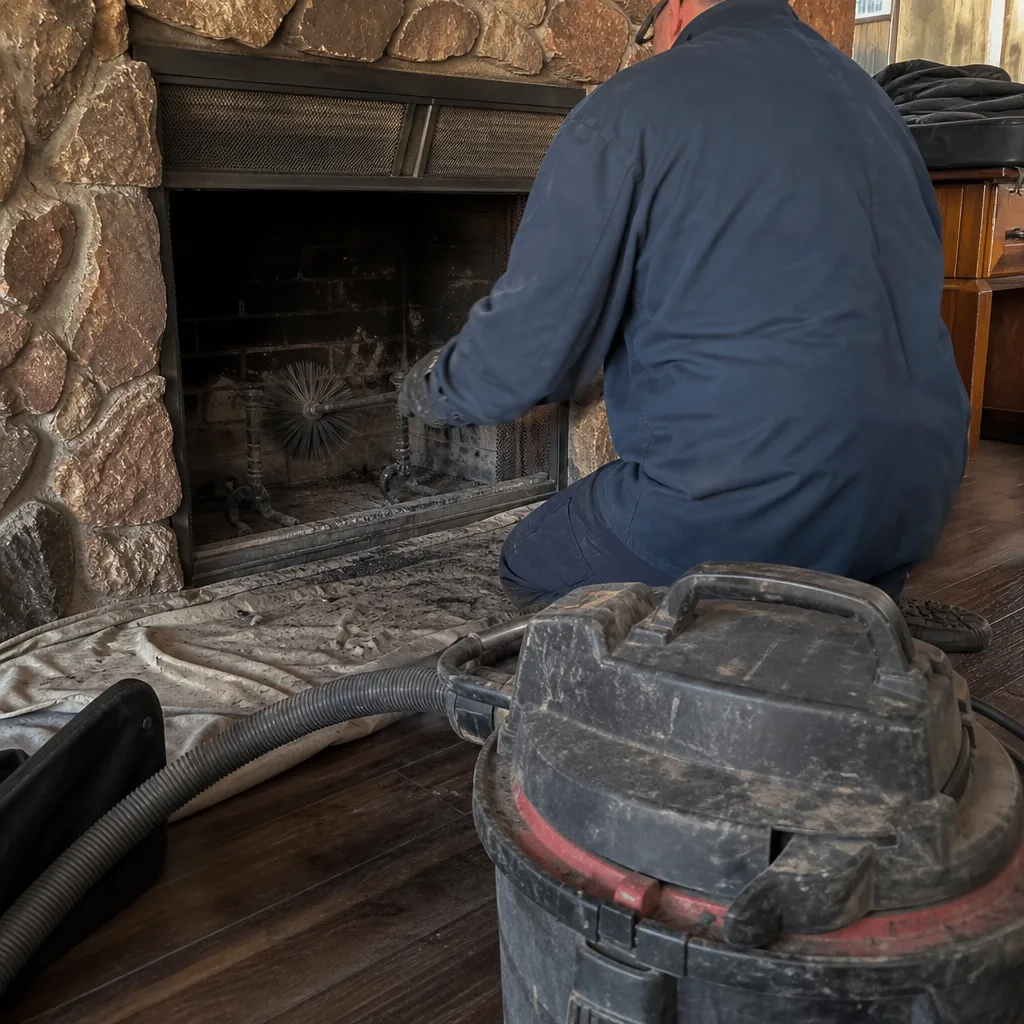 Before
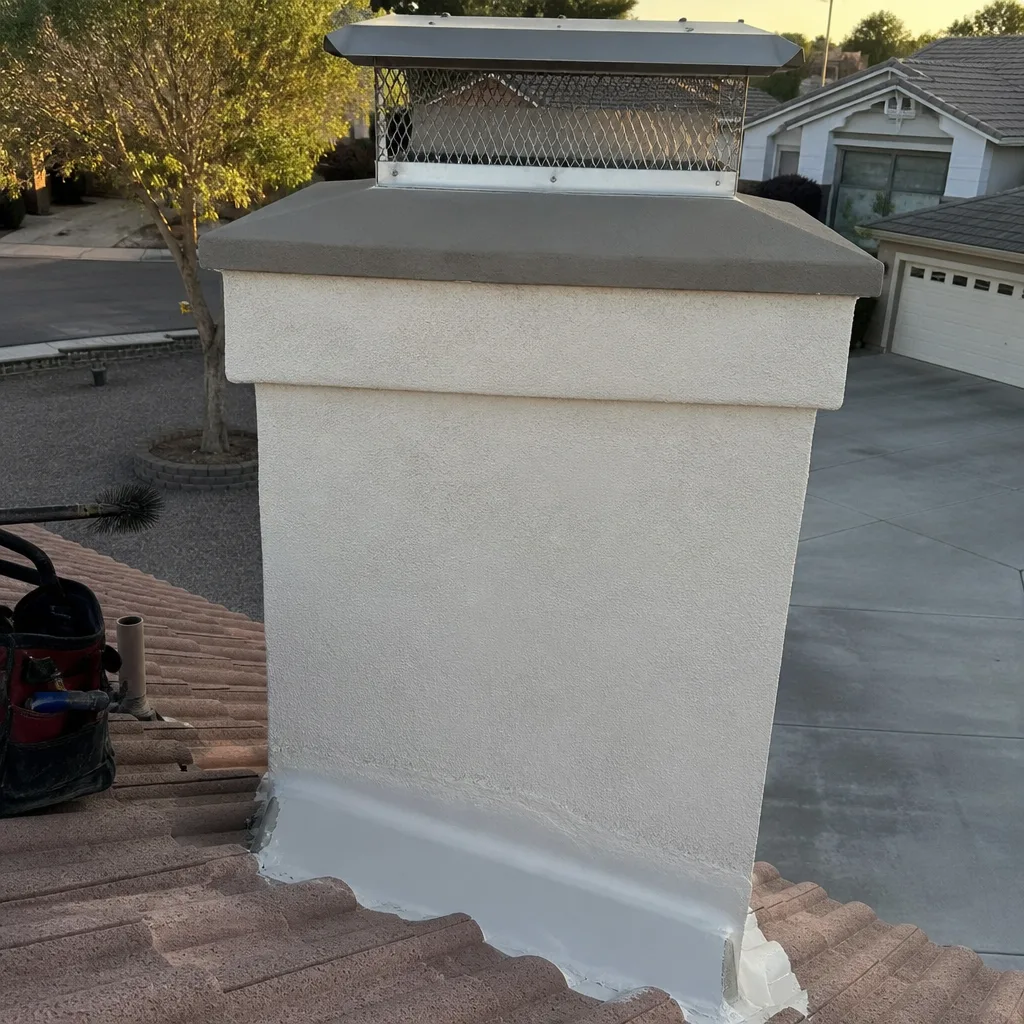 After
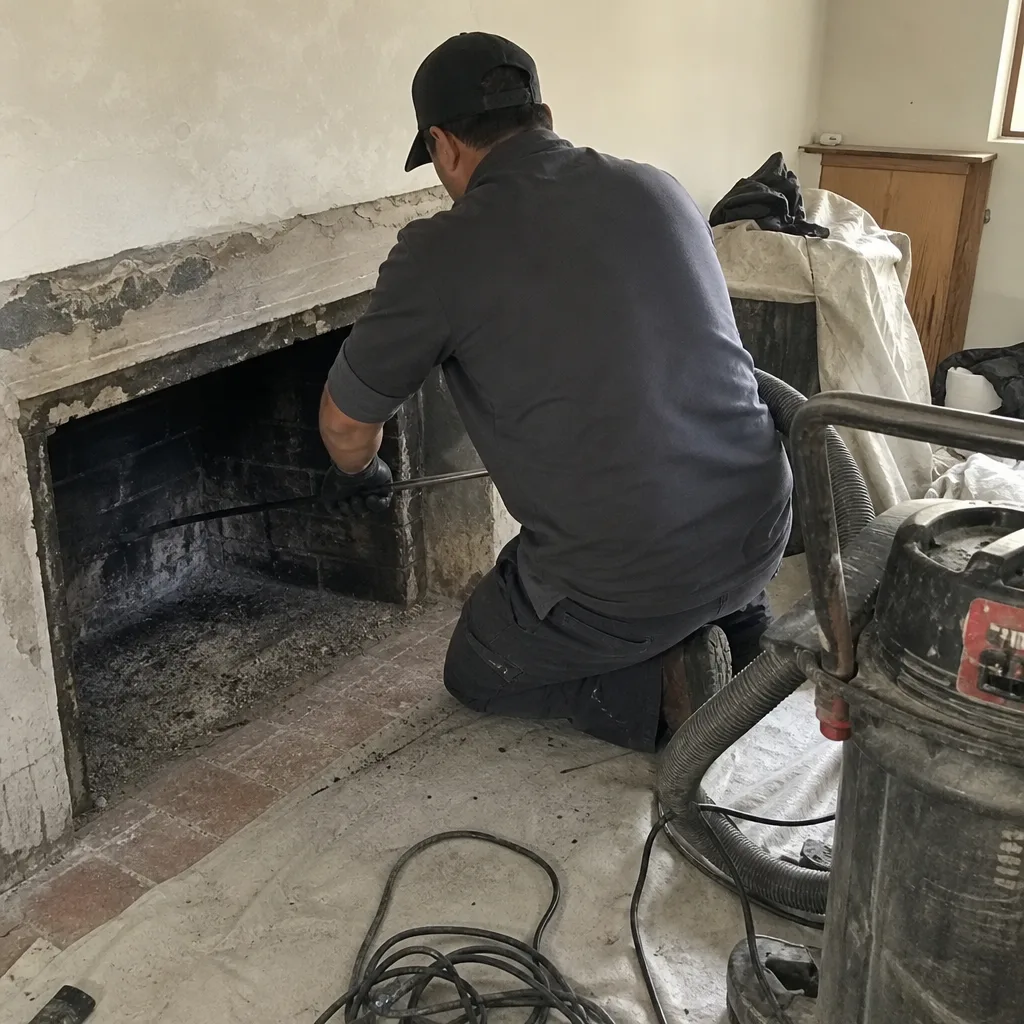 Before
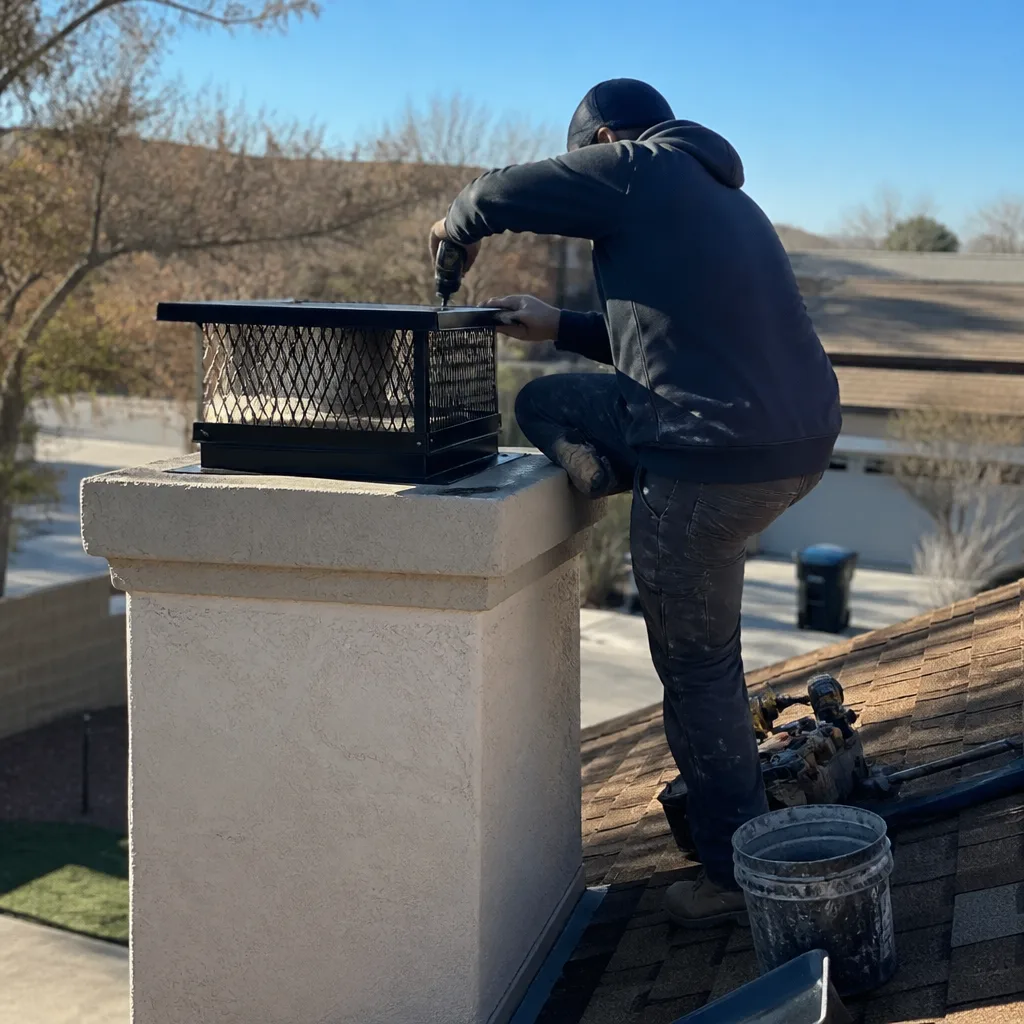 After
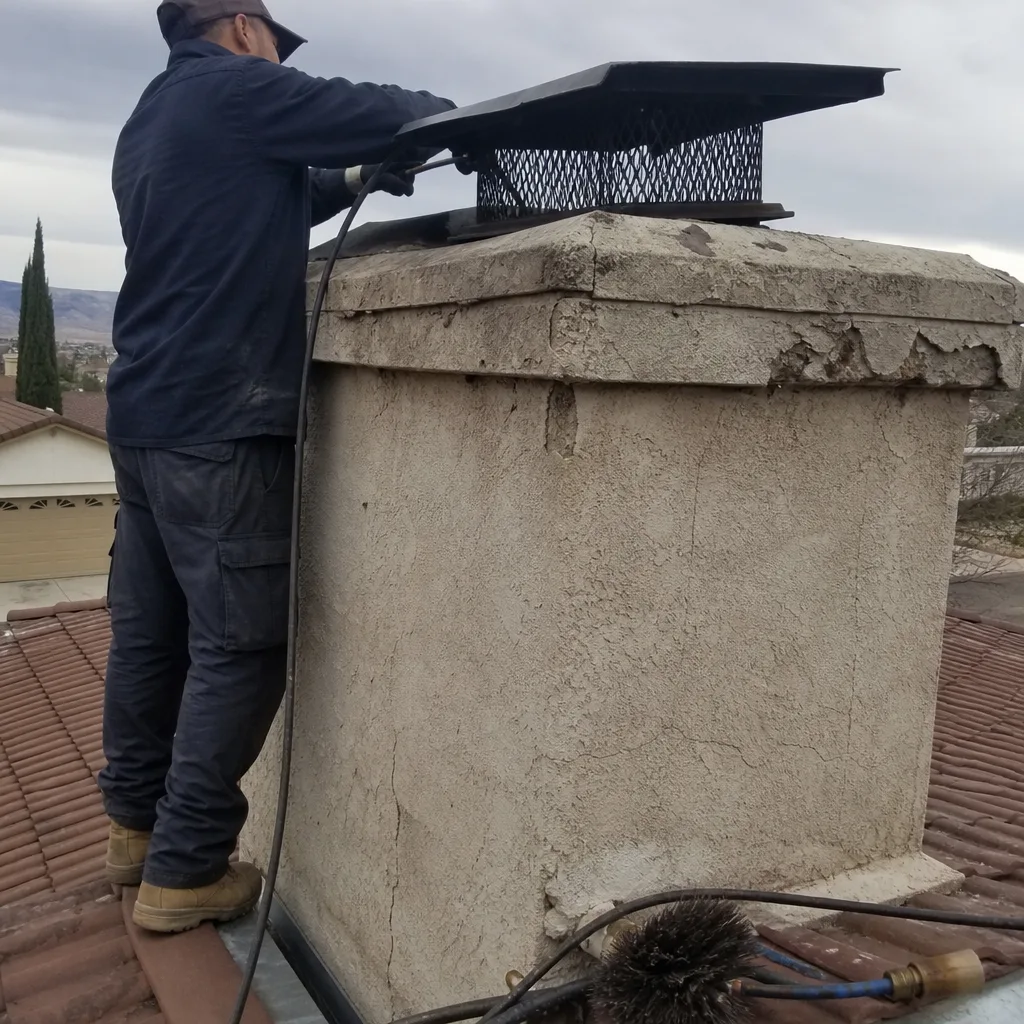 Before
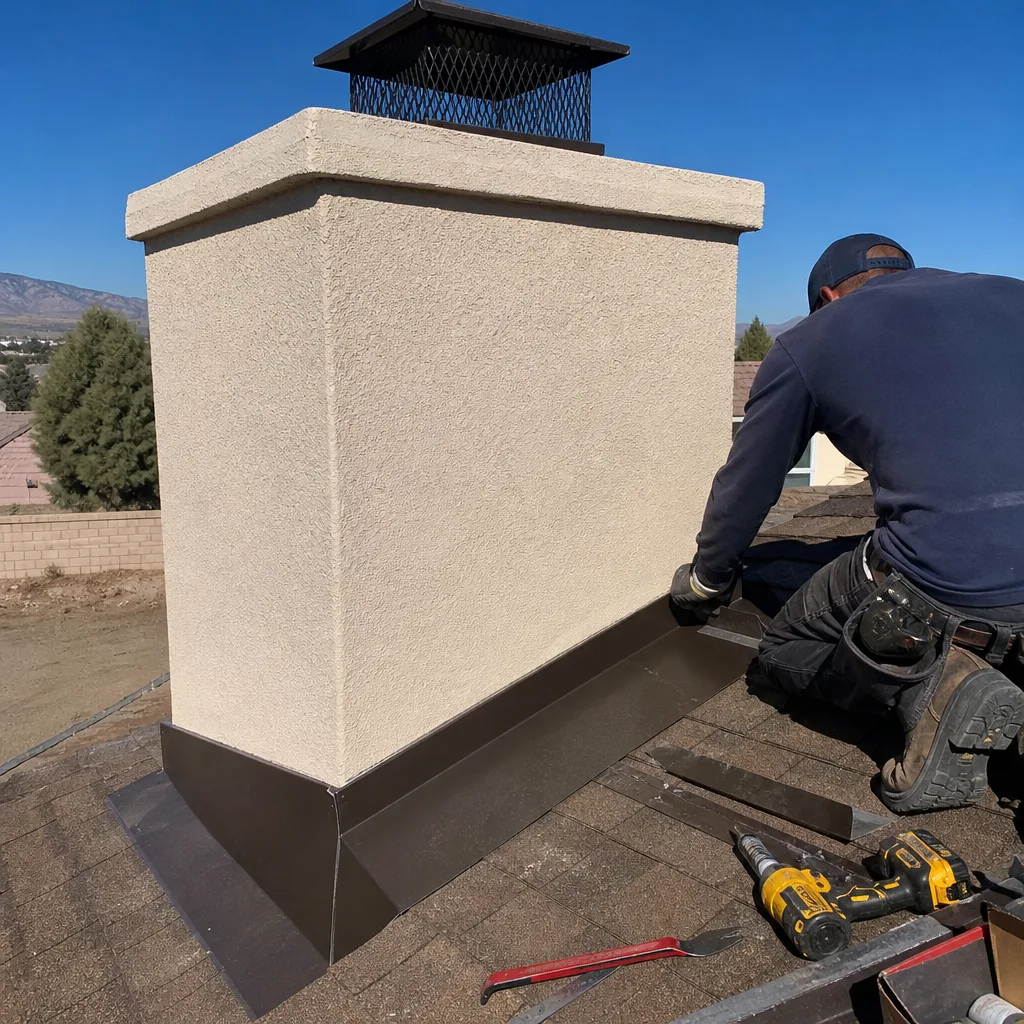 After