
Last updated October 30, 2026
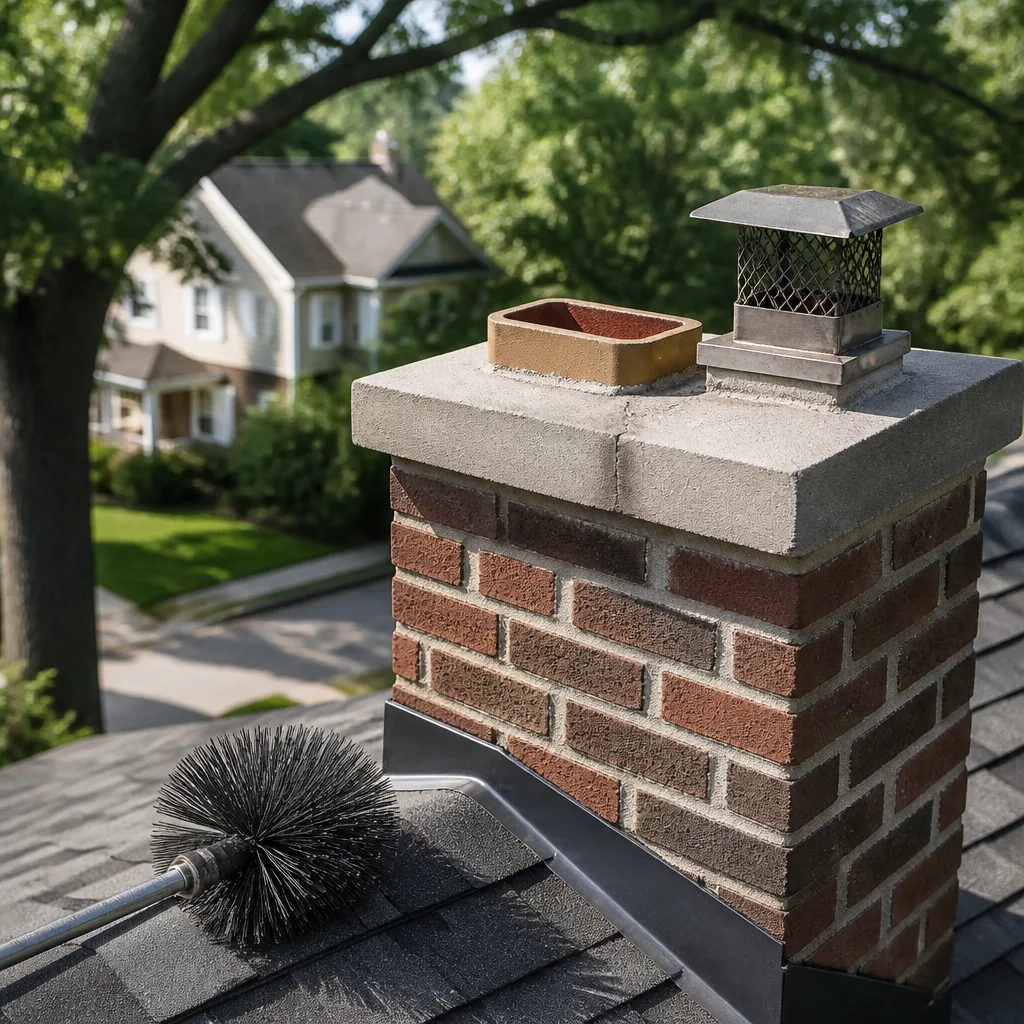 Sweep & inspection
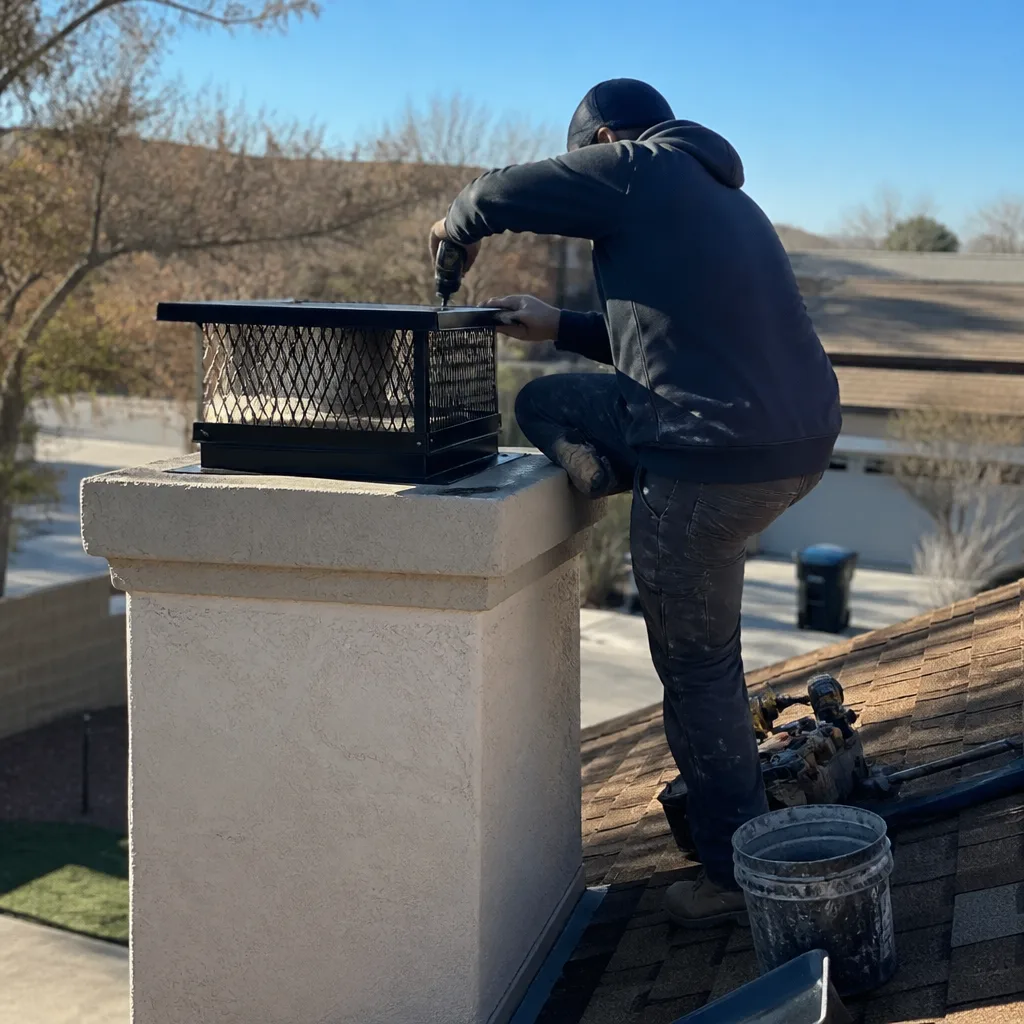
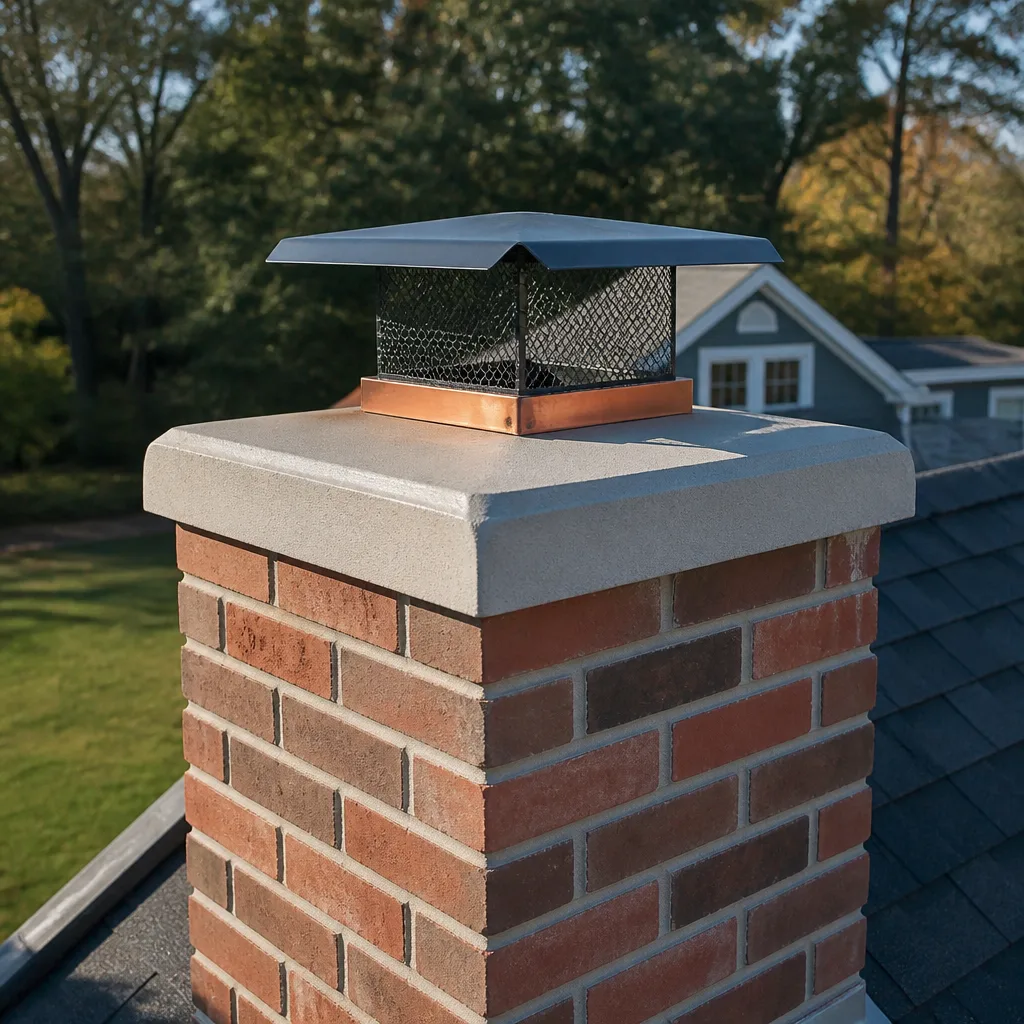 Caps & crowns
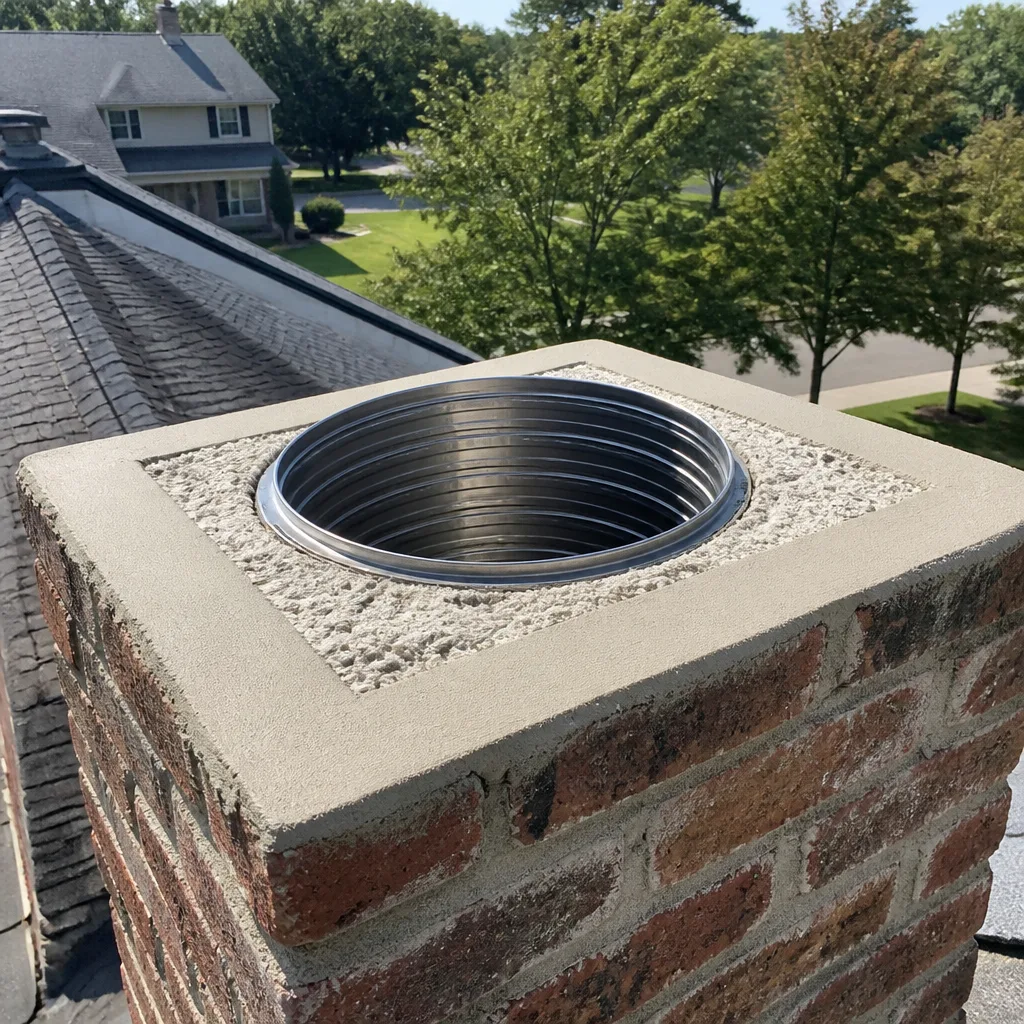 Flue relining
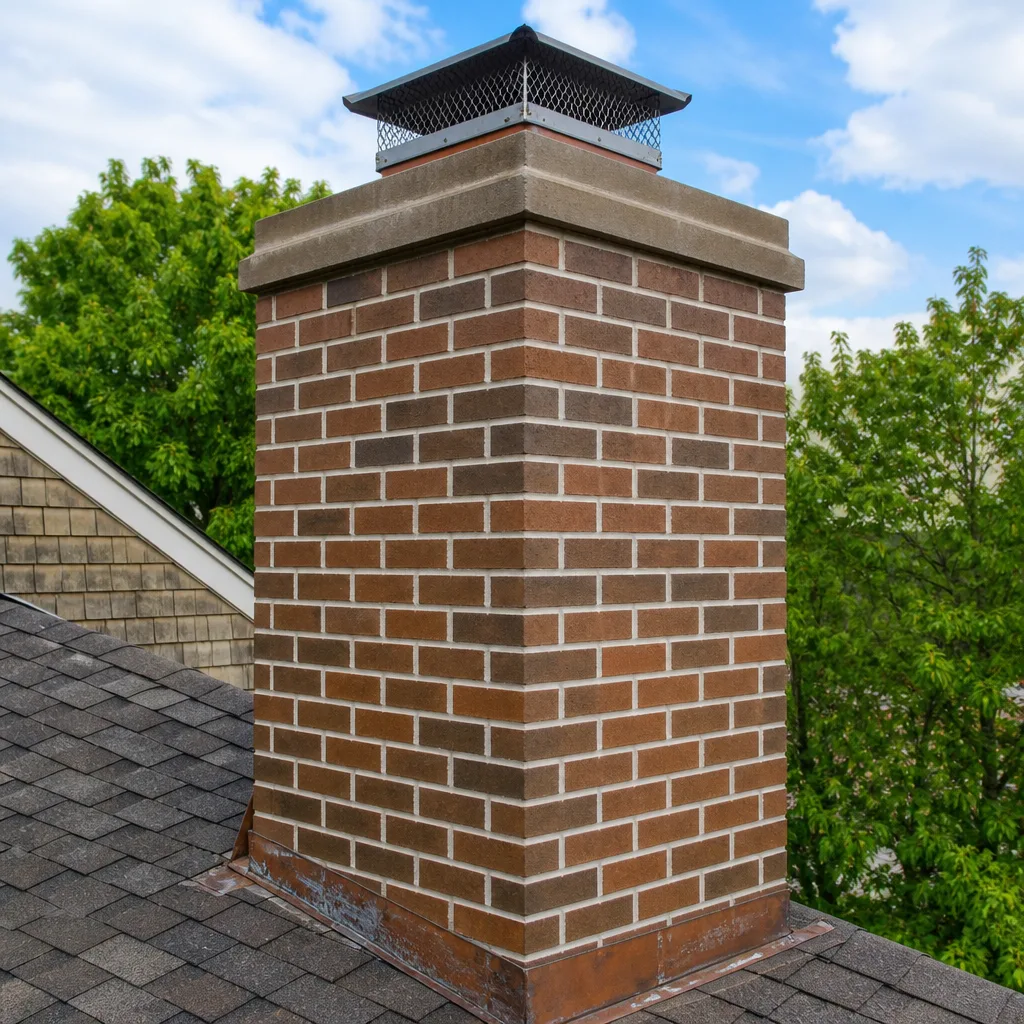 Masonry repair
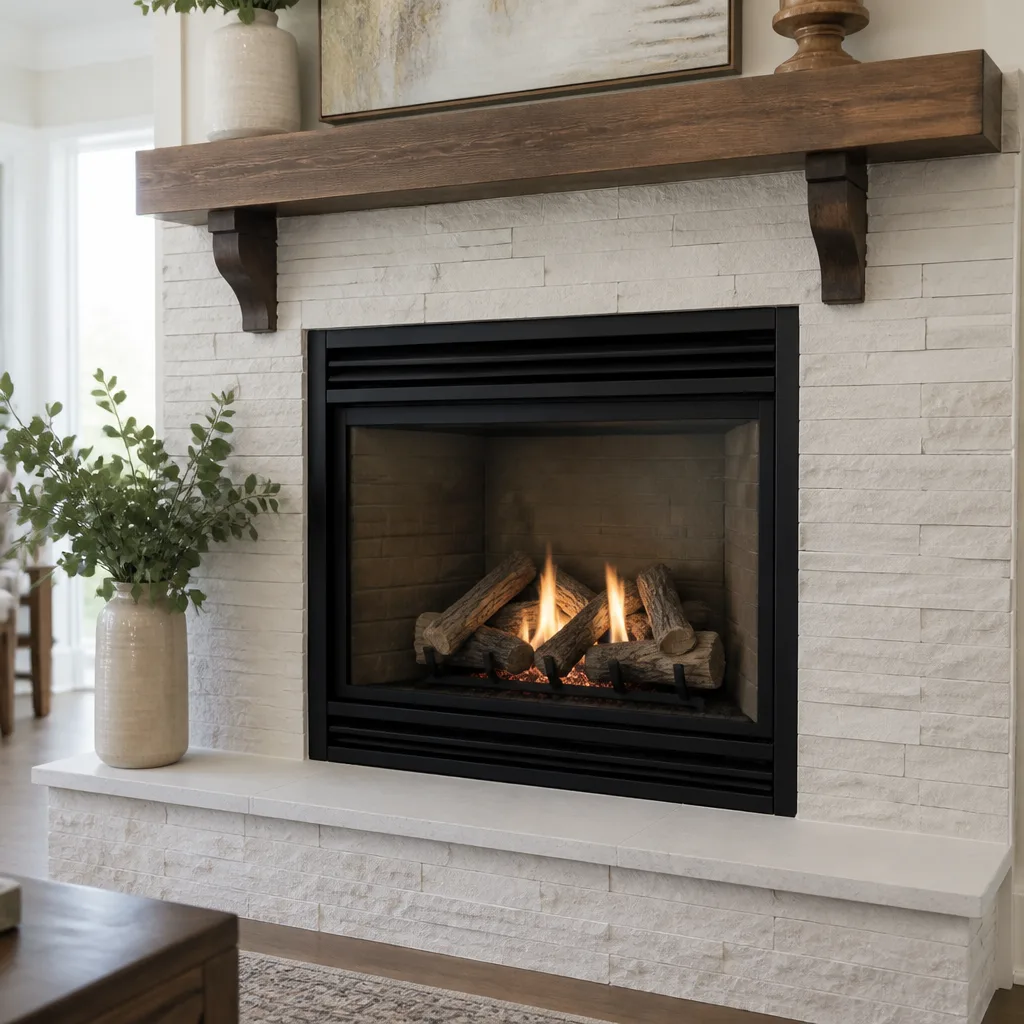 Gas fireplace service
Level 1 sweep and inspection to the NFPA 211 annual standard - flue, crown, cap, and flashing checked and photographed
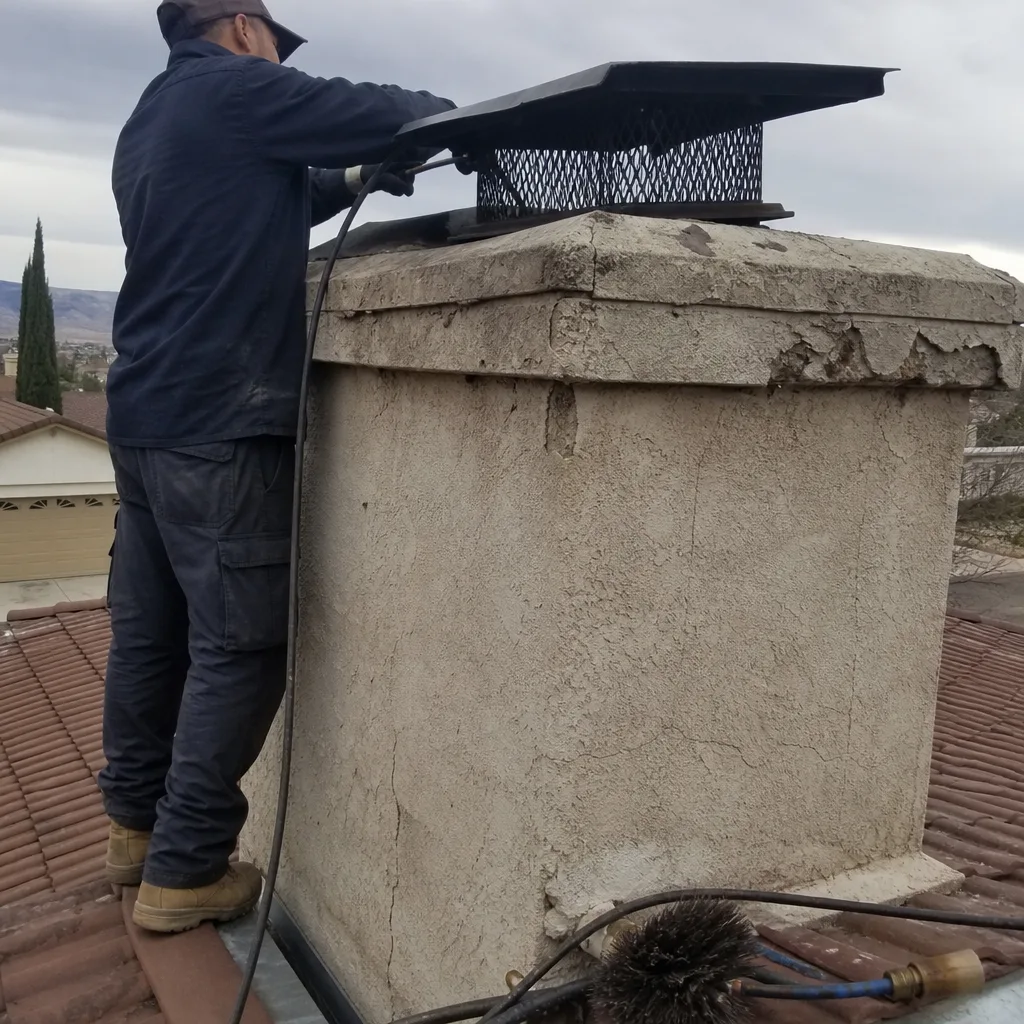
Chimney sweep logs do not sweep chimneys. They loosen some creosote - which then falls where a brush and vacuum still have to collect it.
Chimney Cleaning Permits, Codes & Inspections in CA: What You Need to Know
Most California homeowners assume a chimney sweep is like mowing the lawn: pay someone, it gets done, nobody files paperwork. That assumption holds until the moment it doesn’t. A chimney repair that didn’t pull the right permit in San Bernardino County can surface as a material defect during escrow, or worse, as a denied insurance claim after a fire. In Victorville, where summer winds push wildfire embers across high desert rooftops and winter nights send families to the fireplace, the gap between what homeowners think is “maintenance” and what the state actually regulates is where expensive surprises live. This guide and our more guides & resources close that gap before it becomes a line item on a disclosure form.
Styles & brands we work with
Quick Answer
Routine chimney sweeping and inspection is classified as maintenance in California and requires no permit. However, any structural repair, liner replacement, masonry rebuild, or fireplace insert installation typically requires a permit from San Bernardino County, and all work must comply with NFPA 211 standards adopted into California’s fire code. A Level 2 inspection is the specific inspection type required during property transfers, after seismic events, and when an insurance carrier demands documented chimney condition.
Table of Contents
- Permit vs. Maintenance: Where California Draws the Line
- NFPA 211 and California Fire Code: What Actually Applies to Your Chimney
- Level 2 Inspections: When California Law and Insurance Carriers Require Them
- San Bernardino County Permitting for Chimney Work
- HOA Rules in Victorville-Area Communities: The Second Layer of Compliance
- Why Contractor Knowledge of AHJ Requirements Protects You
- Common Mistakes to Avoid
- When to Call a Professional
- Frequently Asked Questions
- The Bottom Line
Permit vs. Maintenance: Where California Draws the Line
California building code divides chimney work into two clear categories, and the distinction matters more than most Victorville homeowners realize. Routine sweeping, visual inspection, creosote removal, and minor component checks fall under maintenance. No permit, no plan review, no inspector visit. The California Mechanical Code and the California Residential Code both treat cleaning as an operational activity, not a construction activity.
But the moment work involves the chimney’s structural integrity or fire-resistance assembly, the classification changes. Rebuilding a firebox, replacing a flue liner, repointing masonry beyond surface touch-up, rebuilding a chimney crown, or installing a fireplace insert all cross into regulated territory. These projects require a permit from the local building department, which in Victorville means San Bernardino County’s Building and Safety Division. The permit triggers plan review for compliance with the California Residential Code (CRC), the California Mechanical Code (CMC), and the California Energy Code, commonly called Title 24.
What surprises homeowners most is how thin the line can be. We’ve seen chimneys in Victorville where “minor repointing” had actually involved removing enough mortar to compromise structural stability. A contractor who doesn’t pull the permit for work that should have one leaves the homeowner holding the risk: an unpermitted repair can be flagged during a home sale, forced to be corrected at current code standards, or cited by an insurance adjuster investigating a claim. The county can also issue a stop-work order and assess penalties if the work is discovered mid-project.
Here’s the practical breakdown:
- No permit required: chimney sweeping, creosote and soot removal, Level 1 visual inspections, smoke test or camera inspection for diagnostic purposes, minor cap or screen replacement on an existing termination, damper repair using like-for-like parts.
- Permit required: flue liner replacement or installation (including stainless steel systems like DuraFlex), fireplace rebuild or firebox repair, chimney crown reconstruction, masonry repair structural in nature, fireplace insert installation connected to the existing flue, and any alteration to the chimney’s height or termination.
One more California-specific point: the state’s Seismic Design Categories matter. Much of the Victor Valley sits in Seismic Design Category D or higher. That means any structural chimney work also needs to address seismic bracing requirements under CRC Section 1003. A contractor who doesn’t know this can complete a repair that passes visual inspection but fails code review later.
NFPA 211 and California Fire Code: What Actually Applies to Your Chimney
NFPA 211 is the standard for chimneys, fireplaces, and vents. It’s published by the National Fire Protection Association, and California adopts it by reference into the California Fire Code. That adoption gives NFPA 211 the force of law in California, including in San Bernardino County and across Victorville. When a jurisdiction adopts a standard, homeowners can’t treat it as optional guidance.
The sections that matter most for residential chimneys read like this: chimneys must be inspected annually and cleaned when creosote accumulation reaches a thickness of 1/8 inch. That measurement isn’t arbitrary; creosote is a combustible byproduct of wood burning, and even a thin layer can ignite under the right conditions. The 1/8-inch threshold is what separates a maintenance sweep from a fire hazard. NFPA 211 also requires that chimneys be structurally sound, free of cracks and open joints that could allow heat or flame to reach combustible materials, and properly terminated with an approved cap.
California’s fire code adds a layer NFPA 211 doesn’t cover directly. The state’s Wildland-Urban Interface (WUI) regulations, which apply to many Victorville neighborhoods east of the 15 and north toward Spring Valley Lake, require spark arrestors on chimneys serving wood-burning appliances. A missing spark arrestor in a WUI zone isn’t just a code violation. It’s an active ember-risk during red flag warnings, which the High Desert sees regularly from July through October.
The practical implications for a Victorville homeowner:
- The mechanical systems in your chimney are governed by NFPA 211 as adopted into California Fire Code. That includes clearance-to-combustibles measurements, termination heights, and the condition of the flue interior.
- The structural components are governed by CRC and sometimes the local county amendments San Bernardino County applies to its permitting process.
- If you burn wood, and most Victorville fireplaces are wood-burning, the WUI fire zones add a spark arrestor requirement that doesn’t appear in all NFPA 211 checklists.
In our experience sweeping chimneys in Victorville, a chimney can pass a visual inspection from the ground and still fail an NFPA 211 assessment during a camera inspection. The standard cares about what’s inside the flue, not the superficial look of the brick.
Level 2 Inspections: When California Law and Insurance Carriers Require Them
A Level 2 inspection is the specific type of chimney inspection standard defined by NFPA 211. It includes the full visual check of a Level 1 inspection plus a camera scan of the flue interior, inspection of accessible attics, crawl spaces, and basements, and a documented report of conditions the camera reveals. It’s more detailed, more expensive than a Level 1, and increasingly required by third parties who hold a financial stake in your chimney’s condition.
California does not require a Level 2 inspection on an annual basis. But state law and the practical realities of real estate transactions and insurance underwriting in San Bernardino County have made it a de facto requirement in several specific situations. Every one of them matters to Victorville homeowners.
When a Level 2 inspection is needed:
- Property transfer: California Civil Code requires sellers to disclose known material defects. A chimney with an internal flue crack or deteriorated mortar joints qualifies as a material defect once it’s been identified. Many home inspectors in the Victorville market now write chimney condition as a standard line item on their reports, and their recommendation typically includes a Level 2 evaluation. The inspection itself isn’t mandated by the state, but the disclosure obligation makes fixing the information gap before escrow a smart move.
- After a chimney fire: A chimney fire can burn at temperatures exceeding 2,000 degrees Fahrenheit, high enough to crack clay flue tiles and compromise masonry. NFPA 211 requires a Level 2 inspection after any chimney fire, no matter how minor it seemed at the time. Insurance carriers in California will request documentation of this inspection before they process a related claim.
- Post-seismic event: After an earthquake of meaningful magnitude, the standard requires evaluation. The Victor Valley sits near the San Andreas system, and even a 4.5 magnitude event can shift a chimney. If you feel a quake that rattles the house, the prudent step is a camera inspection before burning another fire.
- Insurance underwriting: Some California insurers now require documentation of chimney condition before writing or renewing a homeowners policy, especially for homes built before 1990. We’ve helped Victorville homeowners navigate this by providing the camera documentation their carrier requested, often alongside a chimney sweep and repair recommendation.
- Determine scope. If the work involves structural alteration, a liner replacement, or a firebox rebuild, it’s a permit-required project. If it’s cleaning and inspection only, it’s not.
- Prepare documentation. The county (and Victorville’s building department) will want to see what’s being repaired and how. A camera inspection report with timestamped images is accepted documentation and often speeds plan review. It also proves the work is necessary, not elective, which matters for insurance claims and for resale disclosure.
- Submit the permit application. The application includes a scope of work description, often material specifications. For liner replacements, this means specifying the type of liner system being installed. Professional-grade systems like HeatShield resurfacing or a DuraFlex stainless liner have documentation packages that include fire test data and listing certifications. Using a listed product simplifies the review.
- Plan review. The plans examiner checks the proposed work against CRC Chapter 10 (Chimneys and Fireplaces) and the California Mechanical Code. Clearance-to-combustibles, termination height, and seismic bracing are the most common review points.
- Inspection. After the work is completed, a county or city building inspector performs the final inspection. The inspector verifies the installation against the approved plans. For a liner replacement, they’ll check the connection at the appliance collar, the termination cap, and the firestop where the liner passes through the ceiling or firebox damper.
- Spark arrestor mandates: Even outside state WUI zones, many HOAs require spark arrestors on all wood-burning fireplace chimneys as part of their community fire-safety standards. The requirement might be written into the CC&Rs or adopted as a board rule.
- Maintenance documentation: Some communities ask homeowners to submit annual chimney inspection records to the HOA office. The reasoning is that a neighborhood-wide standard reduces fire risk for adjacent homes, but the effect is another compliance deadline homeowners don’t expect.
- Exterior alteration approval: Rebuilding a chimney crown or changing a termination cap may require architectural review committee approval if the change is visible from the street. The approval process exists to protect street-facing aesthetics, but it adds a step before any visible chimney work can begin.
- Appliance restrictions: Some HOAs restrict the type of fuel-burning appliances allowed. Pellet stoves, wood-burning inserts, and gas log conversions may each face different rules. We’ve seen homeowners in Victorville who bought an insert without checking their CC&Rs and ended up returning it.
- Skipping the permit because the work is “just a liner.” A flue liner replacement is one of the most-permitted chimney projects in San Bernardino County because it affects both the fire resistance assembly and the appliance’s draft. Doing it without a permit can trigger disclosure problems at sale and a denied insurance claim after a fire. Get the permit, document the work, move on.
- Assuming a sweep counts as an inspection. A sweep removes creosote. An inspection evaluates condition. A Victorville homeowner can have a clean chimney with a cracked flue, and only a camera inspection reveals the crack. The two services are defined separately in NFPA 211, and homeowners who conflate them skip the inspection their insurance carrier might require.
- Ignoring the 1/8-inch creosote threshold. The NFPA 211 cleaning trigger isn’t advisory. It’s a safety requirement. Waiting three years between sweeps on a wood-burning fireplace in the High Desert routinely produces creosote well past that threshold in our camera inspections.
- Using an unlisted liner or patch product. The building code requires listed components for flue systems. A hardware-store product that looks similar but lacks a UL listing will fail plan review or get flagged at inspection. Professional trade materials like HeatShield, Gelco, or DuraFlex carry the documentation plan reviewers expect to see.
- Skipping the HOA check before scheduling work. In Victorville communities with architectural review, a chimney crown rebuild or cap change can need approval before the permit process even starts. Finding out after approval delays the project, and delaying a chimney repair in fire season is a risk no homeowner should take.
- Hiring a contractor who doesn’t know the local AHJ. A contractor who has never pulled a permit in Victorville will learn the process on your project. The homeowner pays for that learning curve in time and in plan review rejections. Choose a contractor who works in the Victor Valley and knows what the local building department asks for.
One distinction to keep clear: a Level 2 inspection doesn’t mean a repair. It means a documented condition assessment. What you do with that assessment is a separate decision. A homeowner who gets an inspection from a sweep-only company gets a report. A homeowner who gets an inspection from a company that repairs chimneys gets both a report and a plan for whatever the camera found. That difference matters when escrow is on the line or an insurance adjuster asks for documentation.
San Bernardino County Permitting for Chimney Work
San Bernardino County Building and Safety Division issues permits for unincorporated areas and contracts with incorporated cities on a case-by-case basis. For Victorville homeowners, the jurisdiction is the City of Victorville Building and Safety Department, which operates under the authority of the California Building Standards Code. The process is straightforward but specific, and the sequence matters.
The typical permit path for chimney repair in Victorville runs like this:
Homeowners should accept one reality: a permit for chimney work is not a bureaucratic nuisance. It creates a paper trail that protects the homeowner. That permit becomes evidence of a compliant repair, which is exactly what an insurance adjuster asks for after a fire. The homeowners we work with in Victorville who have unpermitted chimney repairs in their home’s history often find themselves explaining the situation to a title company or an appraiser years later. The permit is the documentation that makes that conversation short.
HOA Rules in Victorville-Area Communities: The Second Layer of Compliance
Code compliance and HOA compliance are separate systems, and in many Victorville-area communities, homeowners need to satisfy both. The HOAs in neighborhoods like Spring Valley Lake and some of the master-planned communities along Bear Valley Road write their own architectural and maintenance standards that layer on top of local building codes. An HOA cannot waive a code requirement, but it can add restrictions of its own.
The most common HOA chimney rules we encounter in the High Desert:
The lesson for any Victorville homeowner is simple: before scheduling chimney work, read your CC&Rs and, if there’s an architectural review process, know its timeline. An HOA that takes 30 days to approve a change can delay a chimney repair beyond the point where the fireplace is safe to use. Planning around both the county permit timeline and the HOA review timeline is part of the modern chimney work process in San Bernardino County.
Why Contractor Knowledge of AHJ Requirements Protects You
AHJ stands for Authority Having Jurisdiction. In Victorville, that means the City of Victorville Building and Safety Department, and in some unincorporated areas, San Bernardino County. The AHJ is the entity that approves permits, conducts inspections, and enforces the codes that apply to your chimney. Every contractor works under an AHJ, but not every contractor knows which requirements that specific AHJ enforces.
Victorville has its own plan review tendencies and enforcement priorities. The staff reviews chimney work against the same codes as other California jurisdictions, but the application of those codes varies enough that a contractor who has never worked in the Victor Valley can miss a requirement. The most common gap we see is seismic bracing. The CRC has required chimney bracing details in high-seismic zones for decades, but enforcement tightened meaningfully in California after the 2014 South Napa earthquake. A contractor who doesn’t routinely work in Seismic Design Category D or E areas may not include bracing details in the permit application, which causes a plan review rejection and a project delay.
Another AHJ-specific issue is the use of listed materials. Victorville’s plan reviewers accept products that carry recognized listings: UL listings for liner systems, ASTM compliance for masonry materials, and manufacturer documentation for products like HeatShield’s Cerfractory flue sealant. A contractor who shows up with an unlisted, hardware-store liner component will get the permit returned for correction. The contractor’s choice of supplies affects whether the project moves on schedule or stalls in review.
This is where the difference between a sweep-only company and a fire-safety specialist becomes practical. A sweep company can tell a Victorville homeowner that the clay flue tiles are cracked. That’s a finding, not a solution. The homeowner then calls a masonry contractor for repair, or an installer for a liner, and the permit process starts over with a new contractor who doesn’t have the inspection context the first company collected. The homeowner becomes the project manager for a job they didn’t plan to manage. A contractor who both inspects and repairs under one roof handles the permit, the AHJ communication, and the work in a single sequence. That’s why the repair-and-cleaning distinction matters so much in San Bernardino County compliance: the contractor who fixes the problem is also the contractor who proves the fix was done right.
Common Mistakes to Avoid
When to Call a Professional
Call a professional the moment you see evidence of chimney damage or have reason to suspect the flue’s integrity is compromised. That includes visible cracks in the firebox, mortar joints that are crumbling or missing, water staining on the ceiling near the chimney chase, or a fireplace that smokes back into the room. If you’ve had a chimney fire, even a small one, schedule a Level 2 inspection before your next burn. If you’re buying or selling a home in Victorville, bring in a chimney professional before escrow closes so the inspection report doesn’t become a renegotiation point or a failed contingency. And if your dryer vent hasn’t been cleaned in over a year, that’s a fire risk in the laundry room operating on the same principle as a creosote-loaded flue. Pilgrim Chimney offers free estimates in Victorville and serves the full Victor Valley with chimney sweep, chimney repair, and dryer vent cleaning. Call (866) 253-5031 to schedule an inspection or discuss what your chimney needs before winter burning season.
Frequently Asked Questions
No. Chimney sweeping, creosote removal, and visual (Level 1) inspections are classified as maintenance under California building codes and do not require a permit anywhere in the state, including Victorville and San Bernardino County. Only structural repairs, liner replacements, firebox rebuilds, or appliance installations trigger permit requirements.
Chimney work that requires a permit in San Bernardino County includes flue liner replacement, firebox repair or rebuild, chimney crown reconstruction, structural masonry repair, chimney height alterations, and installation of fireplace inserts connected to the flue. The permit is obtained through the City of Victorville Building and Safety Department for Victorville residents. A camera inspection documenting the damage typically accompanies the permit application.
NFPA 211, adopted into California Fire Code, requires cleaning when creosote buildup reaches 1/8 inch, and annual inspection regardless of usage. For most Victorville homeowners who burn wood regularly from November through March, that translates to an annual sweep. Occasional burners may stretch to every other year, but the only way to know for sure is a camera inspection that measures actual creosote thickness. Call (866) 253-5031 and we can assess your chimney’s condition and tell you honestly whether it needs cleaning now or can wait.
A Level 2 inspection is a camera-documented evaluation of the flue interior, performed when property changes hands, after a chimney fire, after a seismic event, or when an insurance carrier requires it. California law doesn’t mandate a Level 2 on an annual basis, but Civil Code disclosure obligations make it the practical standard during real estate transactions, and many insurers now request one before renewing a policy on an older Victorville home.
Coverage depends on your policy and the cause of the damage. Fire damage to a chimney is typically covered if the policy includes the peril. Deterioration from age or deferred maintenance is typically not covered. What regularly determines the outcome is documentation: if you can show the chimney was regularly inspected and swept, and that a repair was properly permitted, your claim position is far stronger than a homeowner with no records. We recommend keeping your inspection reports and permit records together in one file.
A chimney sweep is not legally required before selling a home in Victorville, but a Level 2 chimney inspection is frequently required by buyers, their home inspectors, or their lenders. The inspection can reveal defects the seller must then disclose under California Civil Code, and conditions found late in escrow often become a renegotiation point. A proactive inspection and any needed repair before listing removes that variable from the sale. Call (866) 253-5031 for an estimate on a pre-listing chimney inspection.
The Bottom Line
Chimney compliance in California comes down to three questions: Is the work maintenance or construction? What does NFPA 211 require for the specific condition? And which AHJ plus HOA rules apply in Victorville? Once you know the answers, the rest is execution. Clean your chimney annually if you burn wood, get a camera-based Level 2 inspection before buying, selling, or after any fire or earthquake, pull the permit for structural work, and keep the documentation. That last step, the paper trail, is what separates a protected homeowner from an exposed one. If you’re in the Victor Valley and want a chimney company that handles the full sequence, Pilgrim Chimney home is the starting point. Our services cover Chimney Sweep in Victorville, Chimney Repair in Victorville, and Dryer Vent Cleaning in Victorville. We inspect, we document, and we fix, all under one roof, with materials sourced from professional-trade brands like HeatShield, Gelco, and DuraFlex. Call (866) 253-5031 for a free estimate.
Written by the team at Pilgrim Chimney, serving Victorville since 2014.
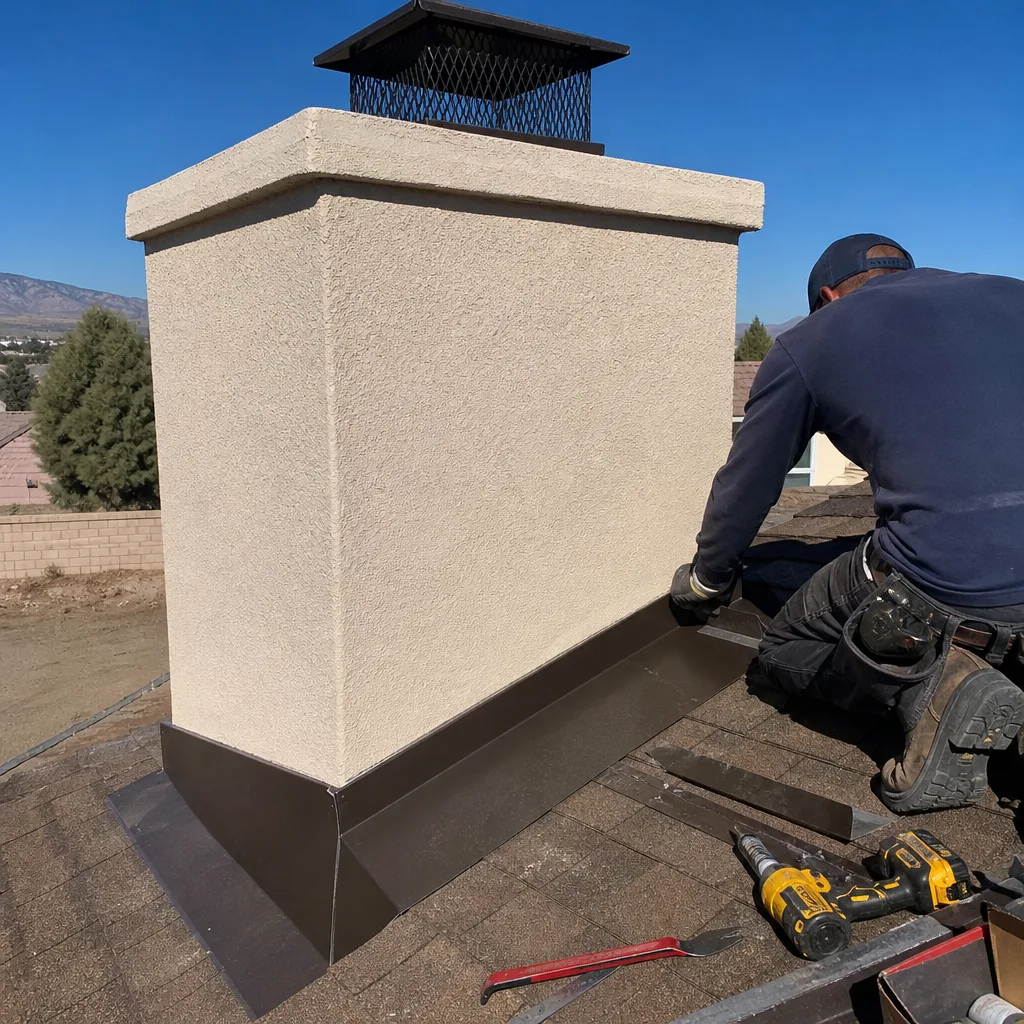
See the difference
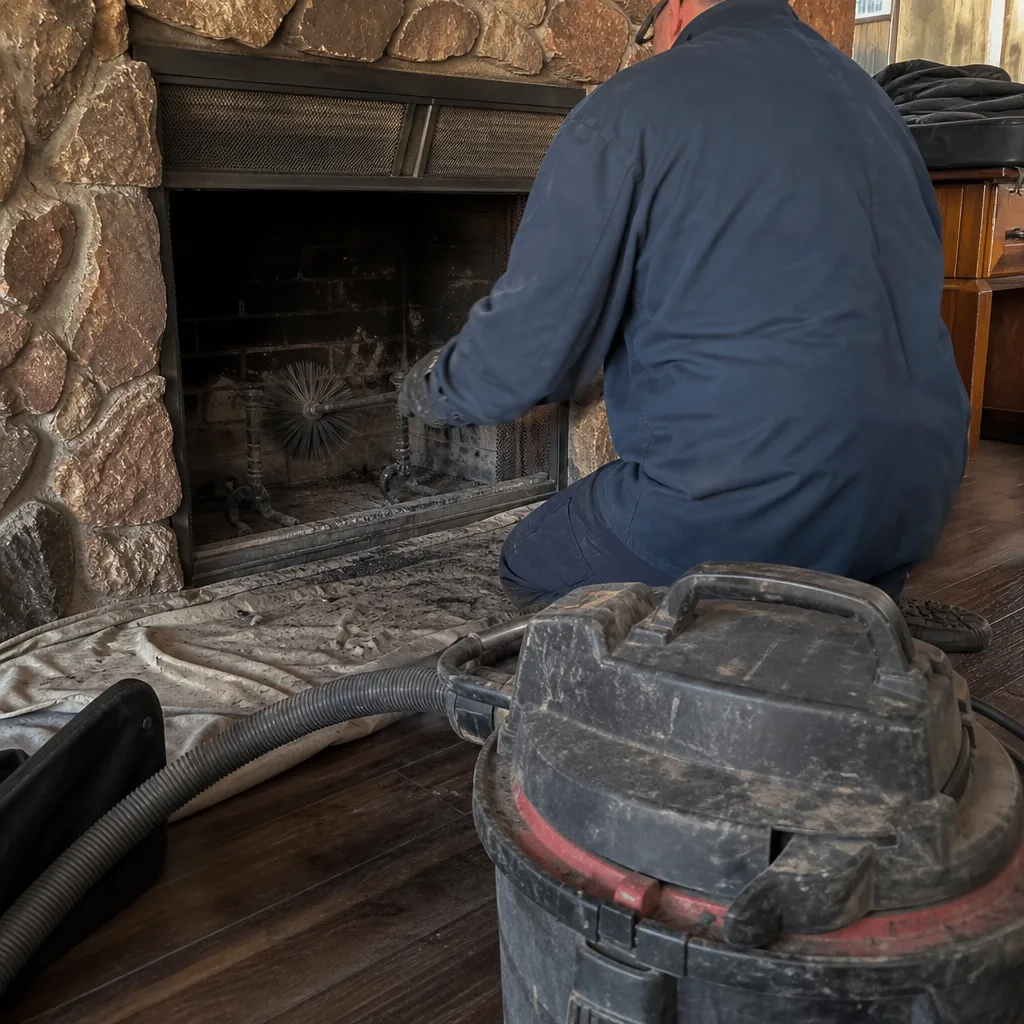 Before
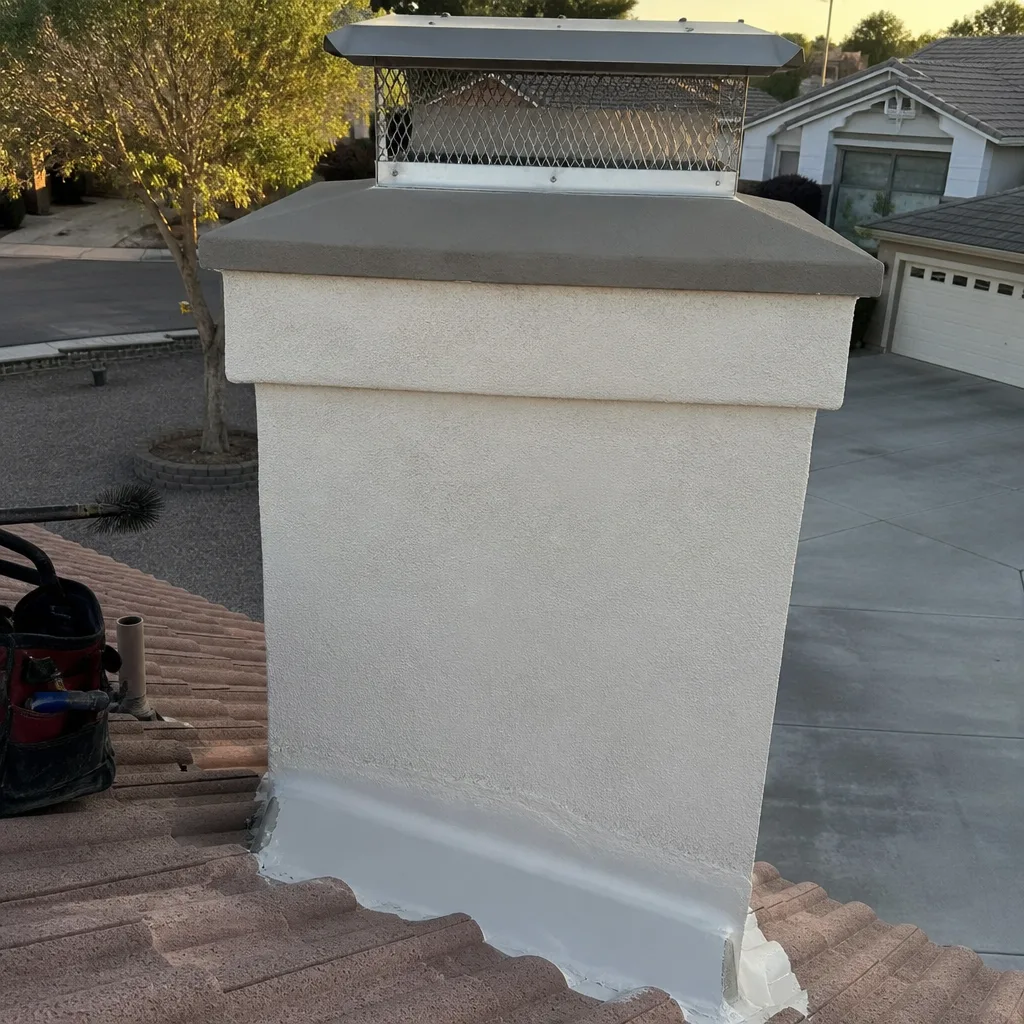 After
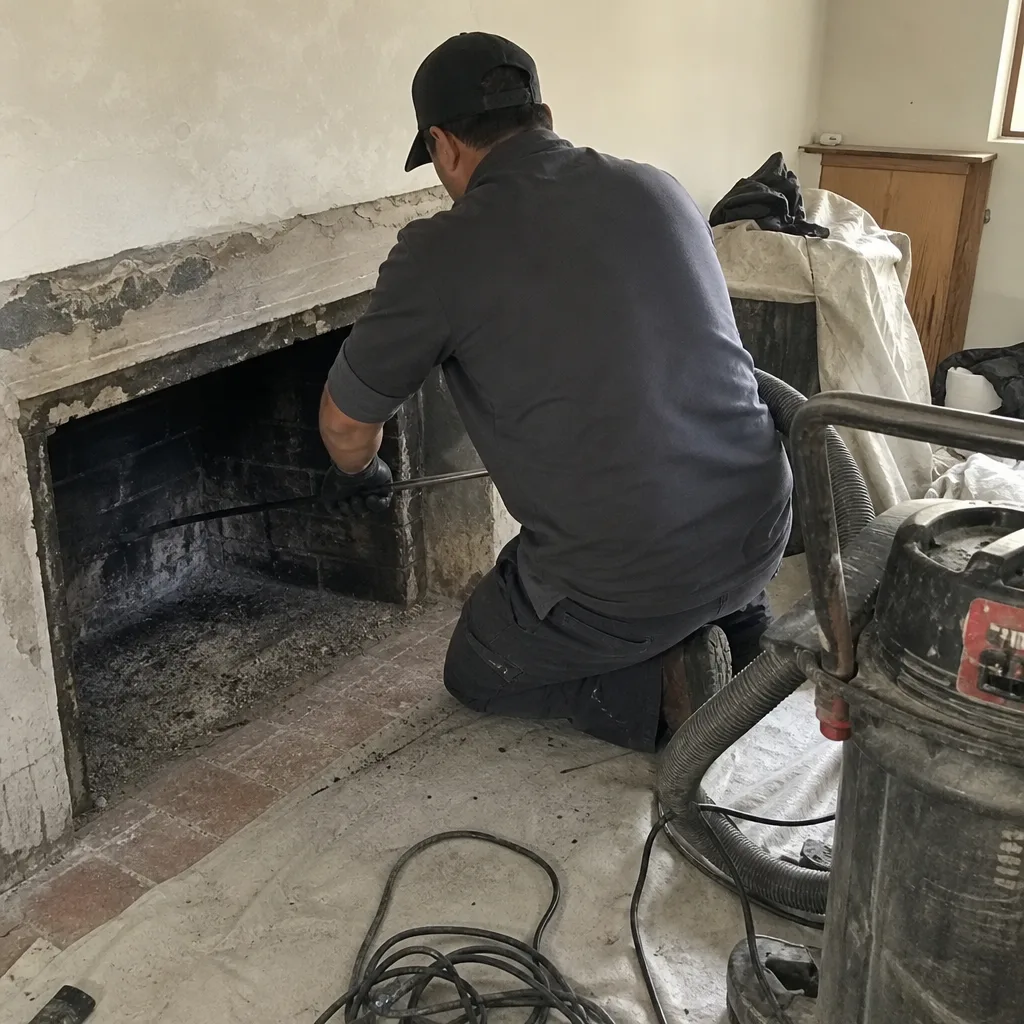 Before
 After
 Before
 After