
Last updated October 30, 2026
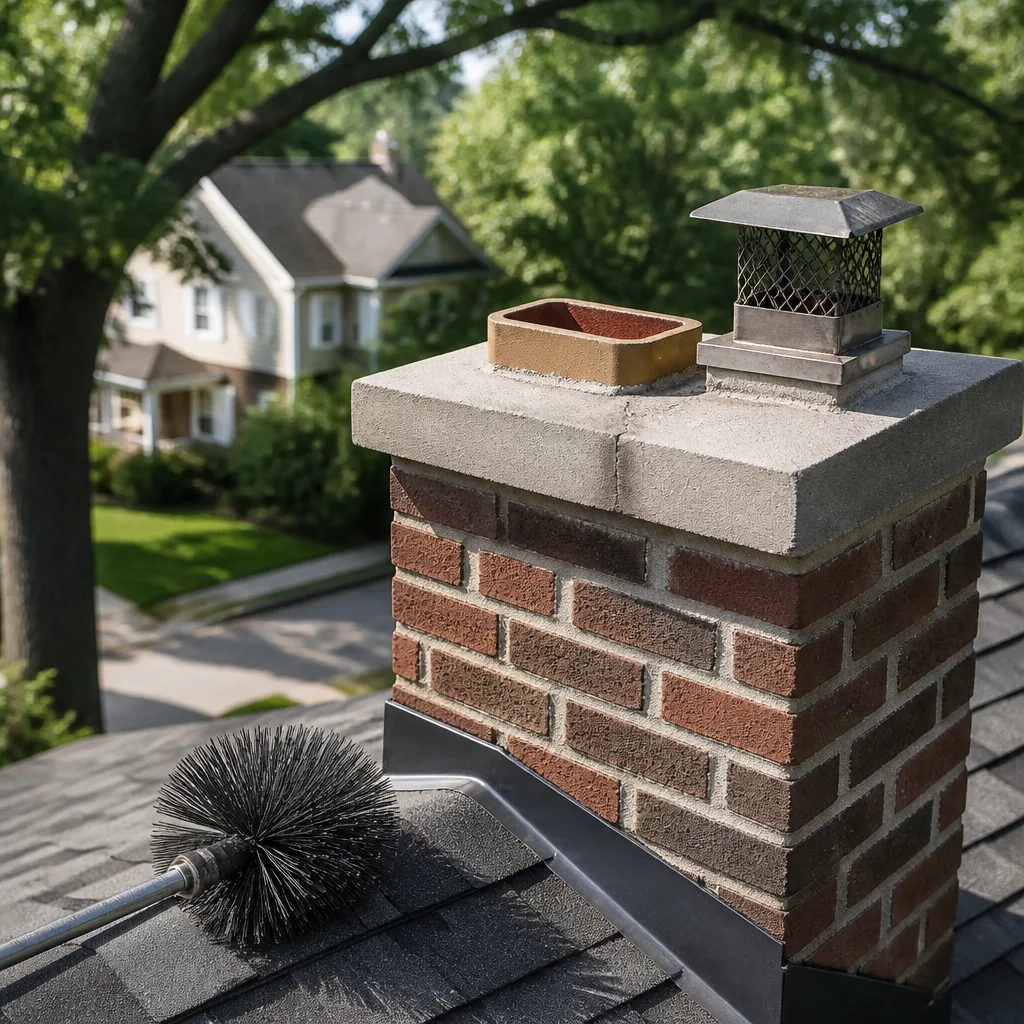 Sweep & inspection
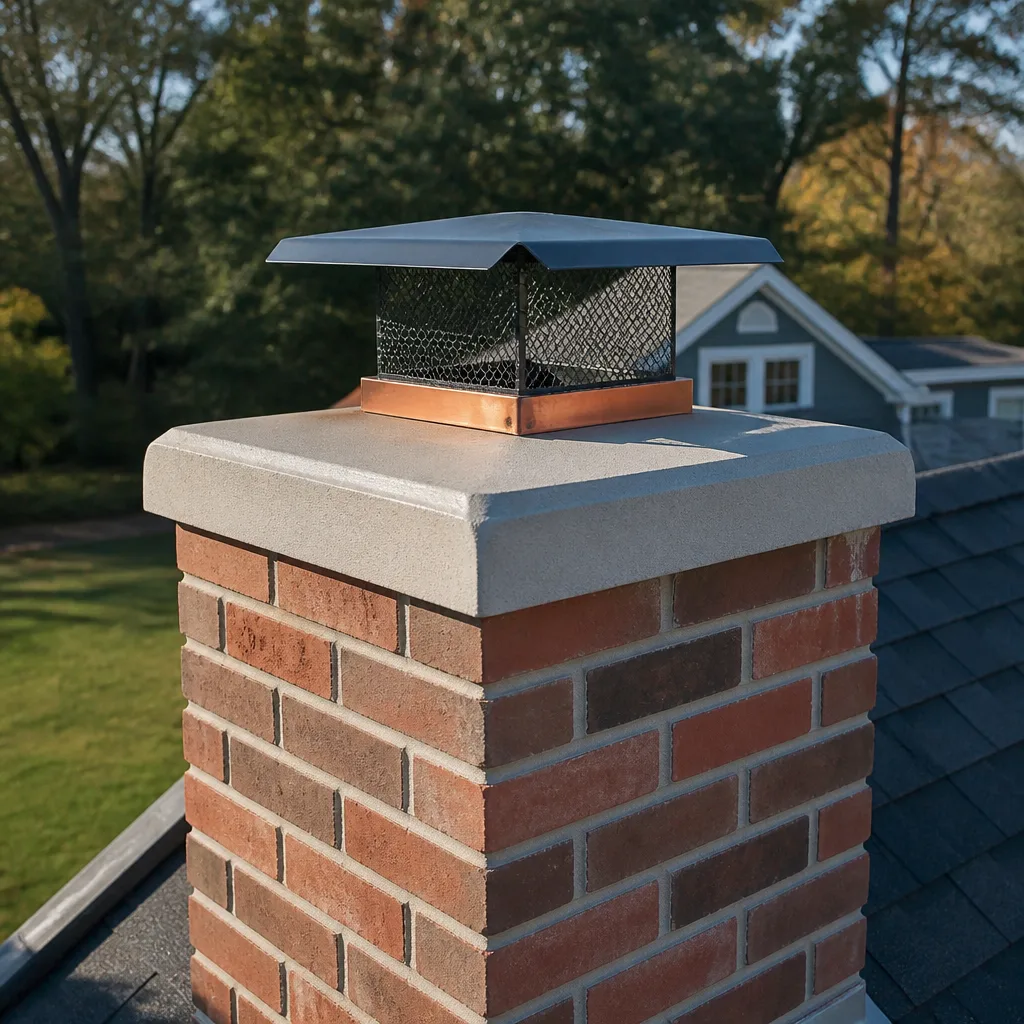 Caps & crowns
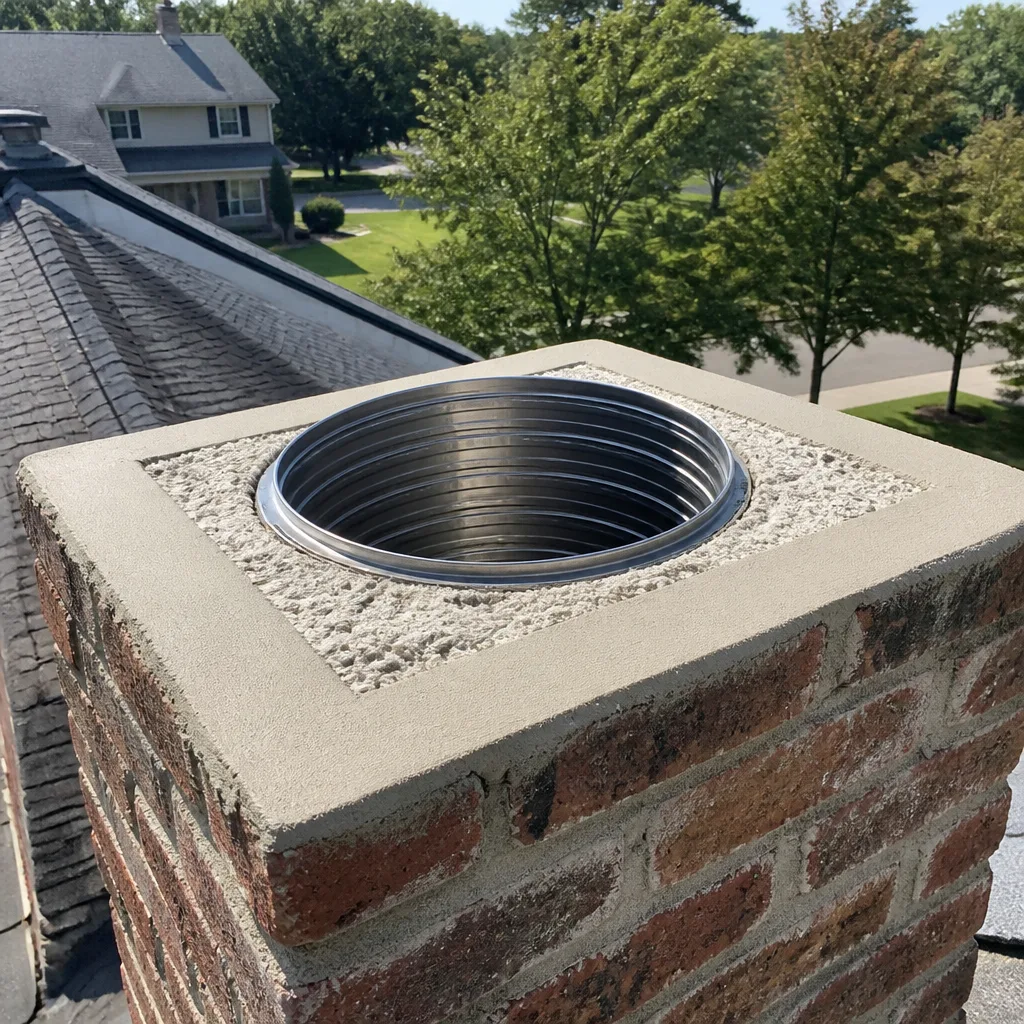 Flue relining
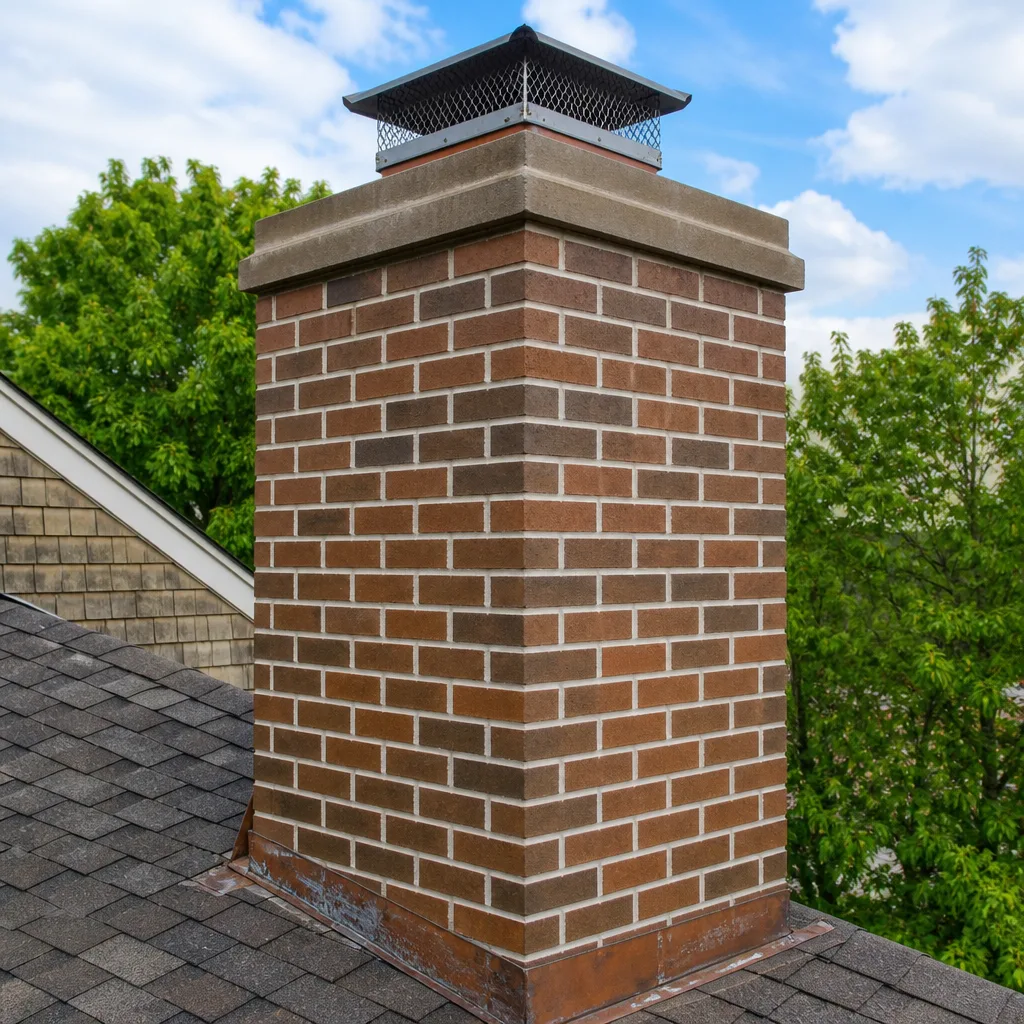 Masonry repair
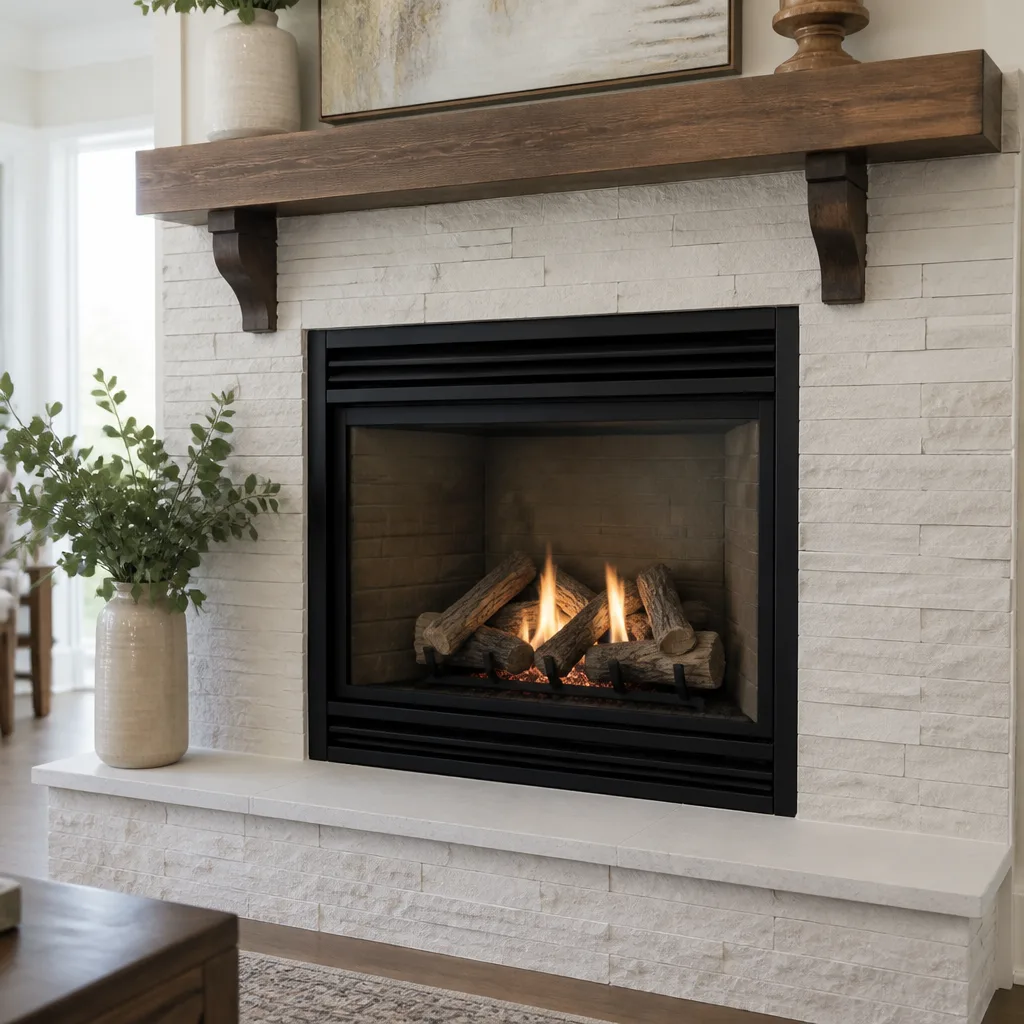 Gas fireplace service
Level 1 sweep and inspection to the NFPA 211 annual standard - flue, crown, cap, and flashing checked and photographed
Chimney sweep logs do not sweep chimneys. They loosen some creosote - which then falls where a brush and vacuum still have to collect it.
Chimney Sweep Maintenance Checklist for Victorville Homeowners
Most chimney maintenance advice assumes the only variable that matters is how often you burn wood. In Victorville, that assumption falls apart. The High Desert wind season runs from October through April, with Santa Ana events pushing gusts past 60 mph. Those winds carry sand, tumbleweeds, nesting material, and fine particulate straight into uncapped or poorly capped flues. A chimney sweep done in October can look like it hasn’t been touched in years by the time March arrives. This checklist is built around the calendar Victorville actually lives by: wind events, freeze-thaw cycles, and a fire season that doesn’t respect the “sweep it in fall” convention. You’ll learn what to check each month, what you can safely observe from the ground, what requires professional tooling, and how to keep a running record that catches slow-moving damage before it becomes a liner replacement.
Quick Answer
A chimney maintenance checklist for Victorville should follow the wind season, not just the burning season. Check the cap and crown after every major wind event, inspect the firebox and damper monthly during burning months, sweep before the first fire and again if you burn more than a cord or notice performance changes, and document exterior conditions twice a year with photos. Homes in Victorville’s older neighborhoods, especially those built before 1990, should get a professional camera inspection every two years even with light use.
Styles & brands we work with
Table of Contents
- Why the Victorville Calendar Matters More Than the National Average
- The Month-by-Month Victorville Chimney Maintenance Timeline
- What You Can Safely Check Yourself vs. What Needs a Technician
- After the Wind: The 15-Minute Post-Storm Inspection
- How to Document Chimney Condition Year Over Year
- Dryer Vent Checkpoints That Belong on the Same Schedule
- Common Mistakes to Avoid
- When to Call a Professional
Why the Victorville Calendar Matters More Than the National Average
Most national chimney sweep recommendations are written for climates with wet winters and humid summers. Victorville gets roughly six inches of rain a year, sits at 2,700 feet of elevation, and experiences freeze-thaw cycles from November through February that most coastal Californians never see. That combination changes how chimneys fail here. Mortar deteriorates from thermal cycling even when the fireplace sits unused. High winds force debris into caps and flues that would stay clean in calmer climates. And because burning season is shorter in the High Desert than in, say, Minnesota, creosote buildup accumulates differently: lighter but drier, which actually makes it more combustible by weight in some cases. The national “once a year, every fall” guidance is a starting point, not a schedule. Victorville homeowners need a maintenance rhythm tied to what actually happens here: wind events in October through April, the first cold snap in November, and a secondary burning period in January and February when overnight temperatures drop into the 30s.
What this means in practice: you’re not maintaining a chimney for the sake of a checklist. You’re maintaining it because the Mojave Desert’s particular combination of wind, temperature swings, and dry air creates a specific set of failure points. Understanding those failure points is what makes this guide different from the generic version you’ll find on a hundred other pages. We’ve worked on chimneys in Victorville’s older central neighborhoods and in the newer developments off Bear Valley Road, and we see the same patterns repeat: cracked crowns from freeze-thaw, caps twisted loose by wind gusts, and flue tiles with spalling that starts small and goes unnoticed for years. None of these show up on a generic October sweep checklist.
The Month-by-Month Victorville Chimney Maintenance Timeline
This timeline assumes you use your fireplace at least occasionally during cold months. If you never burn, the wind and weather checkpoints still apply. Adjust based on your actual usage patterns, but don’t skip the structural checks just because the firebox is cold.
October: Pre-Season Preparation
- Schedule your annual chimney sweep in Victorville before the first burn. October is the sweet spot because the first major wind events have usually arrived, and you want the flue clean before burning begins.
- Check the chimney cap from the ground with binoculars. Look for missing screws, bent mesh, or a cap that sits off-center. Wind has been picking up since September.
- Inspect the firebox with a flashlight. Look for cracked firebrick, gaps in the mortar joints, or a damper that no longer opens and closes smoothly.
- Test the damper. It should open fully and close with a solid seat. A damper that sticks halfway means smoke issues on the first fire.
- Check the hearth area for any new cracks in the masonry or gaps between the hearth and flooring.
November through February: Burning Season Checks
- After every dozen or so fires, shine a flashlight up the flue from inside the firebox. Look for shiny or crusty black buildup on the walls. If you see more than a sixteenth of an inch, burning can wait until a sweep clears it.
- Watch the smoke from the top of the chimney during a fire. Thin white smoke is normal. Dark smoke, or smoke that doesn’t draw upward quickly, signals a draft problem or creosote accumulation.
- Check the damper monthly during this period. Burning season is when damper mechanisms wear out faster from heat exposure.
- On mornings after overnight temperatures drop below 32 degrees, glance at the chimney crown for any new cracking. Freeze-thaw happens fastest in January and February in Victorville.
- Keep a note on your phone with the number of fires you’ve had. The National Fire Protection Association recommends a sweep at a quarter-inch of buildup or after a cord of wood, whichever comes first.
March through May: Post-Season Assessment
- After your last fire of the season, leave the damper open for a day to let the flue air out, then close it. A closed damper during summer months prevents downdrafts from carrying chimney odors into the house.
- Do a slow, thorough exterior walkaround. Look at the mortar joints from top to bottom with binoculars. Hairline cracks from winter freeze-thaw cycles often show up first in March.
- Check the flashing where the chimney meets the roofline. Wind-driven rain is rare in Victorville, but it happens, and flashing failures are the most common leak source.
- Schedule a chimney repair inspection in Victorville if you observed any new cracks, spalling brick, or cap movement during burning season.
June through September: Low-Use Structural Monitoring
- Do a ground-level visual check monthly. Look for birds or rodents entering the flue area. Nesting season peaks in spring, and animals seeking shade will investigate chimney openings even in summer.
- Check inside the firebox once a month with a flashlight. Debris, nests, or a dead animal at the base of the flue needs professional removal before fall.
- Monitor any exterior cracks you documented earlier. Take a photo and compare. If a crack widened during summer heat, it will worsen with fall freeze-thaw.
- Schedule your dryer vent cleaning during this window. It spreads out the maintenance tasks and ensures your whole-home fire safety picture is squared away before heating season. Dryer vent cleaning in Victorville pairs naturally with your chimney maintenance calendar.
What You Can Safely Check Yourself vs. What Needs a Technician
There’s a line between a homeowner’s visual inspection and a professional’s diagnostic work. Crossing it without proper tooling gives you a false sense of security or, worse, puts you on a ladder you shouldn’t be on. Here’s where that line sits.
Safe for the Homeowner, From the Ground
- Cap position and condition: Use binoculars. A cap should sit level and centered. If it looks angled or shifted, wind has worked it loose.
- Mortar joint appearance: Look for dark lines, missing mortar, or white efflorescence stains. Efflorescence means water is moving through the masonry.
- Firebox condition: Flashlight inspection. Cracked firebrick and deteriorated mortar are visible from inside without any tooling.
- Damper operation: Open and close it. Listen for grinding or feel for resistance. This is a purely mechanical check.
- Flue smoke color: During a fire, walk outside and observe. Smoke should exit cleanly and disappear quickly.
- Debris in the firebox base: Leaves, twigs, or animal activity visible from inside the fireplace indicate an open pathway or failed cap.
- Dryer vent exterior flap: Walk to the outside of your dryer vent and check that the flap opens during a cycle and closes cleanly afterward.
Requires a Certified Technician and Proper Tooling
- Interior flue wall inspection: The only way to see the full length of the flue is with a camera system. Liners, especially in pre-1990 Victorville homes, can have internal damage invisible from the firebox opening.
- Creosote measurement: Determining whether buildup is at the quarter-inch threshold requires professional training to evaluate glaze versus flaky creosote, and the tooling to remove both safely.
- Cap replacement or repair: Ladder work on a rooftop is not a DIY task. Wind gusts in Victorville make it dangerous year-round.
- Crown repair or sealing: Proper crown repair involves masonry work, possibly custom forms, and materials that bond to the existing concrete. This is skilled work.
- Flue liner evaluation: If you suspect liner damage, a professional camera inspection is the only way to know whether HeatShield resurfacing or a DuraFlex liner system makes sense. Brands like these are used by certified chimney technicians for a reason; they’re installed to specific tolerances, not applied as a patch.
- Animal removal: If you see or hear wildlife in the flue, don’t attempt to smoke it out or reach it. Professional removal plus a proper cap installation is the fix.
- Dryer vent duct interior: A full interior inspection of the duct run requires specialized equipment and access points. The clog you can’t see is the one that causes fires.
After the Wind: The 15-Minute Post-Storm Inspection
Victorville wind events aren’t a seasonal footnote. They’re a defining feature of living here. The Santa Ana season typically runs October through April, with peak gusts arriving in December and January. After any weather event where winds exceed 40 mph, spend fifteen minutes on this specific checklist. This is the single highest-value maintenance habit in this guide, because wind damage compounds. A cap shifted slightly in November becomes a fully displaced cap by February. A hairline crack exposed to wind-driven sand widens faster than one in calm air.
- Binocular scan of the cap and top of the flue. Look for any change from your last baseline photo. A tilted cap, separated mesh, or missing hardware needs professional attention within the month.
- Ground-level check for wind-blown debris. Look at the base of the chimney and the roof line. Tumbleweed fragments, roof shingles, or tree limbs near the chimney tell you the wind hit from a direction that may have loaded the cap.
- Inside the firebox. Wind events push debris down the flue. You may see leaves, sand, or animal nesting material that wasn’t there before. Fine sand from High Desert gusts accumulates in the smoke shelf area even with a good cap.
- Listen for a changed draft sound. On a windy day, stand near the fireplace. A whistling or moaning sound that wasn’t there before suggests a cap failure or damaged damper seal.
- Check the dryer vent exterior flap. Wind-driven pressure works on dryer vents too. A flap that’s been bent or stuck open lets outside air and debris into the duct run.
How to Document Chimney Condition Year Over Year
Most chimney damage is gradual. A crack grows a millimeter a year. Spalling brick loses a flake at a time. Without a baseline, you can’t tell whether what you’re seeing is new or has been there since you bought the house. A simple documentation habit solves this, and it costs nothing.
The method works like this: twice a year, once in April after burning season ends and once in October before it begins, take the same six photos from the same positions. Store them in a folder on your phone named by year and month. The six photos:
- Full chimney from ground level, front side of the house.
- Full chimney from ground level, opposite angle if visible.
- Close-up of the cap and crown using phone magnification or binoculars held to the lens.
- Firebox interior with the damper open, flash on.
- Firebox interior with the damper closed, flash on.
- Dryer vent exterior flap.
Then, once a year, compare October to October or April to April. What changed? A crack that widened is meaningful. Mortar that’s now missing where it wasn’t before is meaningful. A cap that sits at a slightly different angle is meaningful. This is how homeowners catch liner and crown issues before they become expensive repairs. It’s also how you give a chimney technician useful context. Saying “the cap looks different than last October” gives us a starting point that saves time during an inspection.
We’ve seen this documentation habit make the difference between a repairable crown crack and a full crown rebuild. It also helps when you sell the home; a photo record of consistent maintenance is a signal to buyers that the chimney wasn’t ignored.
Dryer Vent Checkpoints That Belong on the Same Schedule
The leading cause of residential dryer fires is lint accumulation in the vent duct, and it’s the same failure pattern we see in chimneys: a slow buildup that goes unnoticed until conditions align for combustion. If you’re already building a maintenance habit around your chimney, adding dryer vent checkpoints to the same schedule costs you nothing and closes the loop on the two most common fire hazards in a Victorville home. Your fireplace and your dryer vent: two fire risks, one specialist.
Add these to your calendar alongside the chimney items:
- Monthly during heavy-lint months: Check the exterior vent flap while the dryer is running. It should open fully and close immediately after the cycle ends. A flap that stays open or doesn’t open fully means airflow restriction.
- Every three months: Check the dryer drum seal and lint trap housing for buildup. The lint you can see at the trap is only part of what’s in the duct.
- Twice a year, aligned with your April and October chimney documentation: Run the dryer on high heat and go outside. The exhaust stream should be strong and steady. A weak or sporadic flow means the duct needs attention.
- Annually: Schedule a professional dryer vent cleaning. This is a service that Pilgrim Chimney home provides alongside chimney sweeping, and it uses the same methodical approach we apply to flue cleaning. We clean the full duct run, not just the accessible ends.
- Watch for these signs any time: Clothes taking longer than 45 minutes to dry, a burning smell during cycles, the dryer running hotter than normal, or visible lint at the exterior vent opening. Any one of these means restricted airflow and increased fire risk.
Common Mistakes to Avoid
- Treating the chimney as a fall-only task. In Victorville, wind and freeze-thaw cycles work on your chimney year-round. An October sweep and a March inspection matter as much as each other, and they serve different purposes.
- Assuming a “clean” chimney means a “safe” chimney. A flue can be free of creosote and still have a cracked tile, a failed crown, or a damper that no longer seals. Cleaning and structural inspection are separate jobs.
- Skipping the cap check because it was fine last year. Cap hardware loosens over multiple wind seasons. The failure is rarely sudden; it’s slow, and it only gets caught if someone looks.
- Burning wood with visible creosote buildup. If you can see shiny black residue on the flue walls, you’re past the point where burning another fire is safe. Call for a sweep before the next burn.
- Ignoring the dryer vent because it’s not in the fireplace. Lint fires happen in the wall, not the appliance. The dryer vent is part of your whole-home fire safety picture, and the maintenance calendar should reflect that.
- Using hardware-store chimney cleaning logs as a substitute for sweeping. Chemical logs may help break down some creosote, but they don’t remove it, they don’t address structural issues, and they can’t tell you what’s happening inside the flue. Professional-grade materials like HeatShield and DuraFlex are for trained technicians; there is no consumer product that replaces an actual sweep.
- Waiting until you smell smoke inside the house to address a draft problem. Draft issues usually start small, with a little smoke rollback or a musty fireplace smell. By the time smoke fills the room, the underlying cause has been developing for months.
When to Call a Professional
Some situations don’t belong on a wait-and-see checklist. Call a professional when any of these apply: smoke enters the room during a fire or lingers after the fire is out; you see daylight through gaps in the firebox walls; the cap is visibly displaced or missing; you find animal activity in the flue; the chimney has not been swept in two or more years despite regular use; or a home inspection flagged any chimney condition you don’t fully understand. A professional camera inspection answers most questions in under an hour. Pilgrim Chimney offers free estimates in Victorville, and we do more than identify problems: from sweep to repair under one roof, we fix what we find. Call (866) 253-5031 to schedule an assessment. We don’t just find the problem, we fix it.
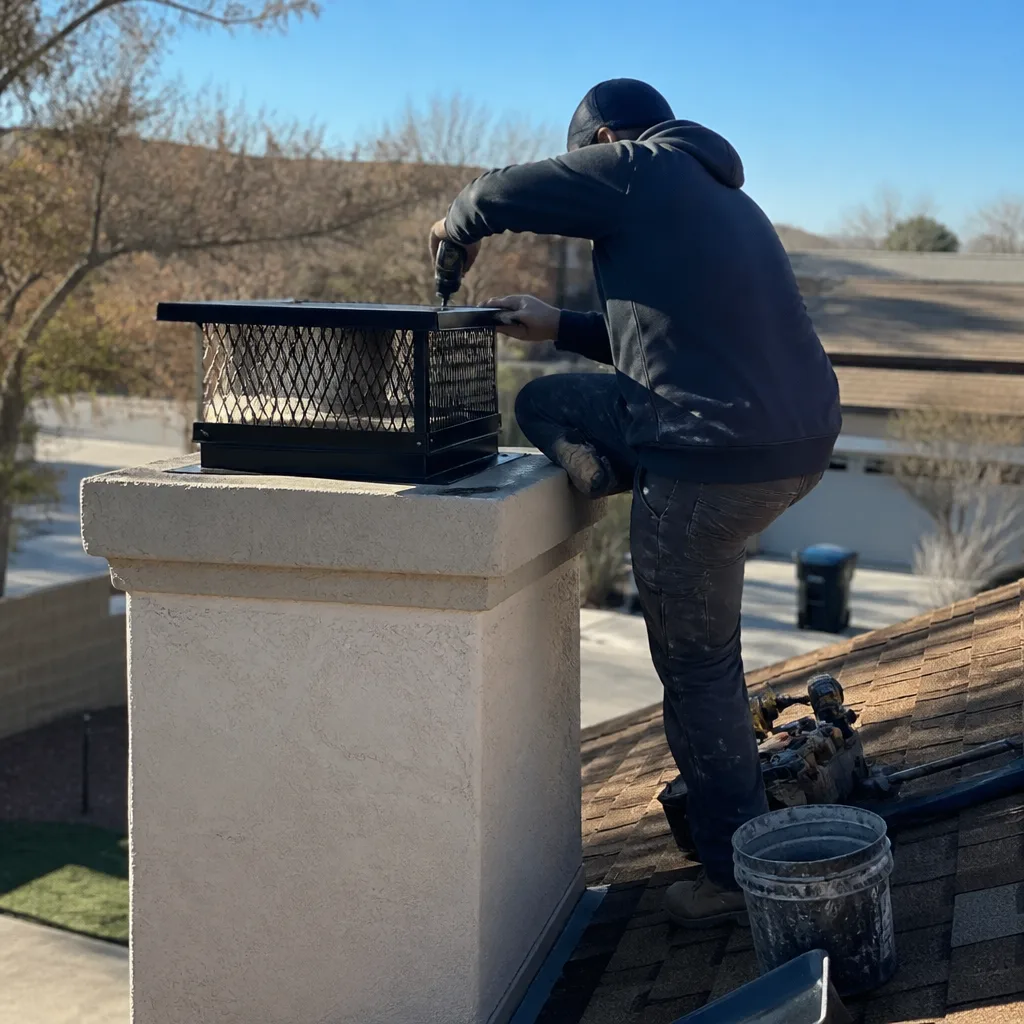
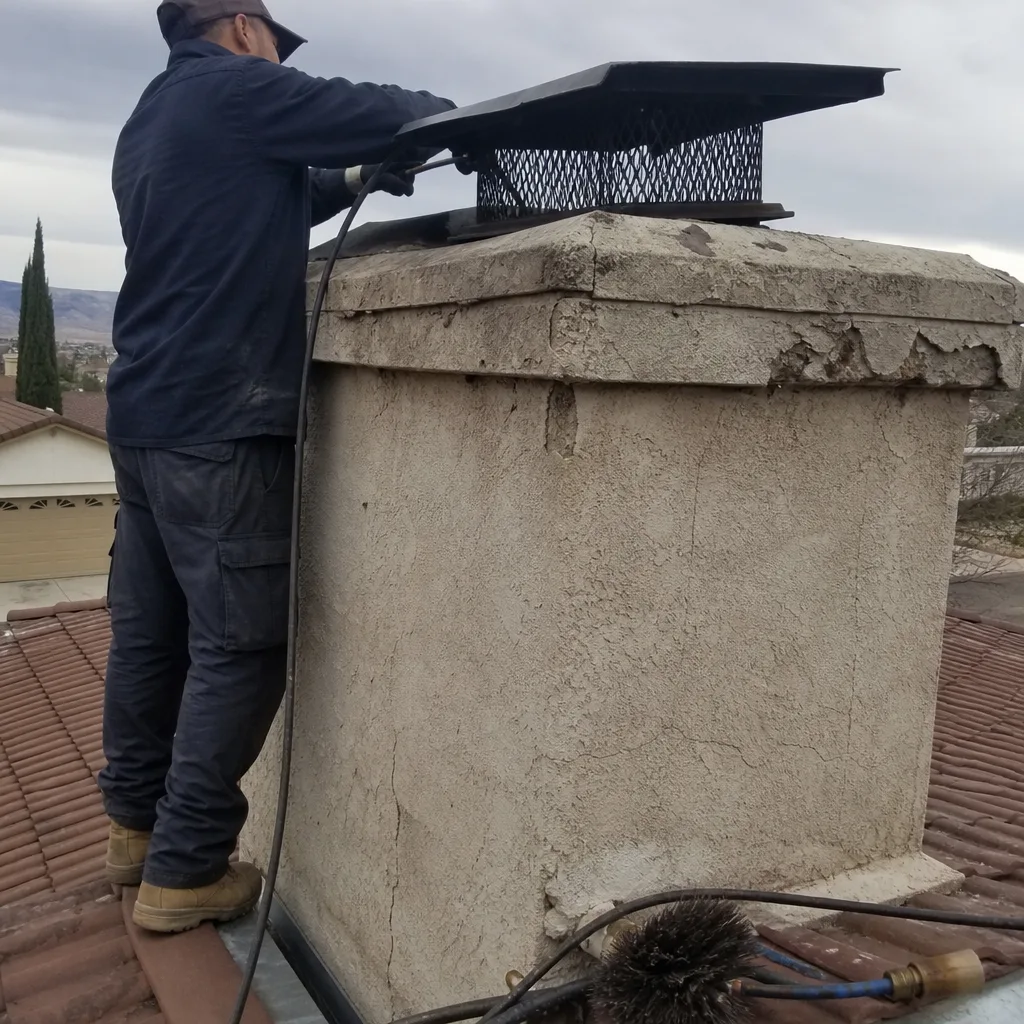
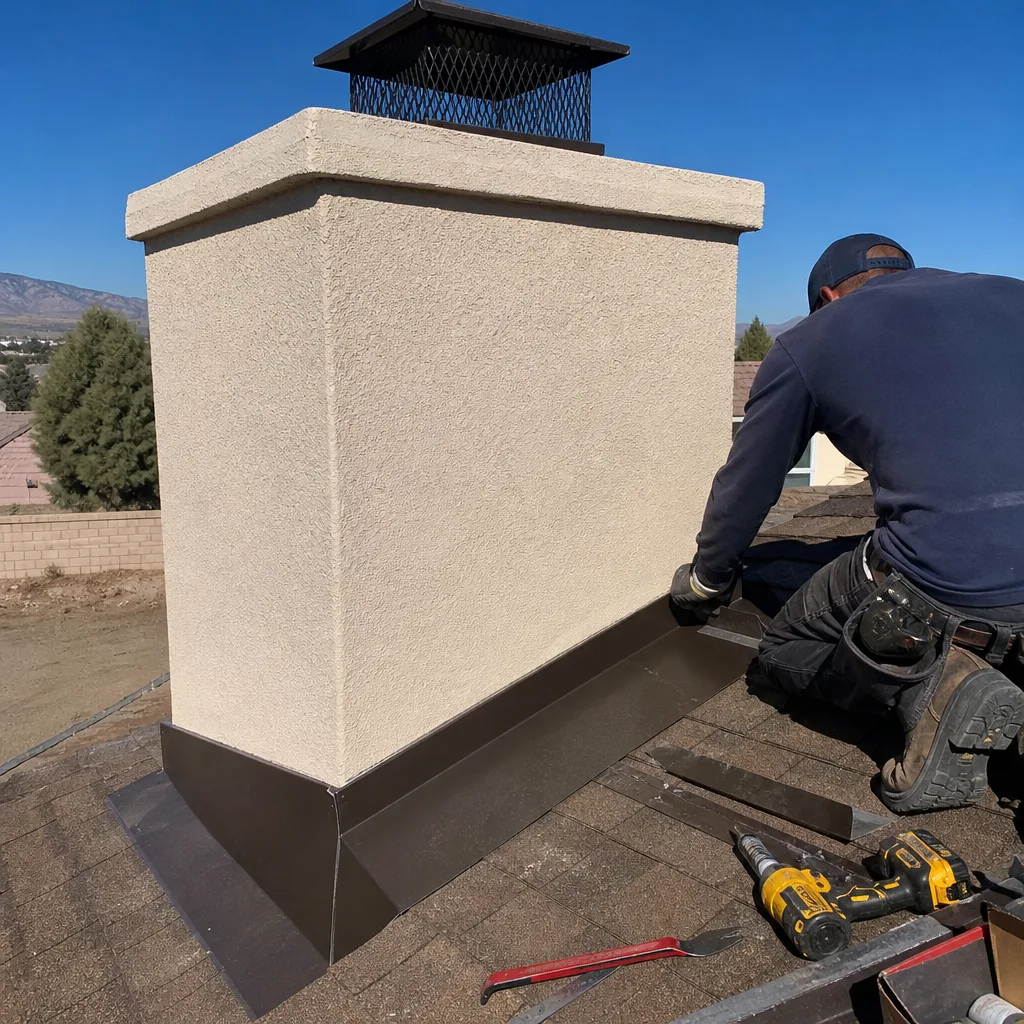
See the difference
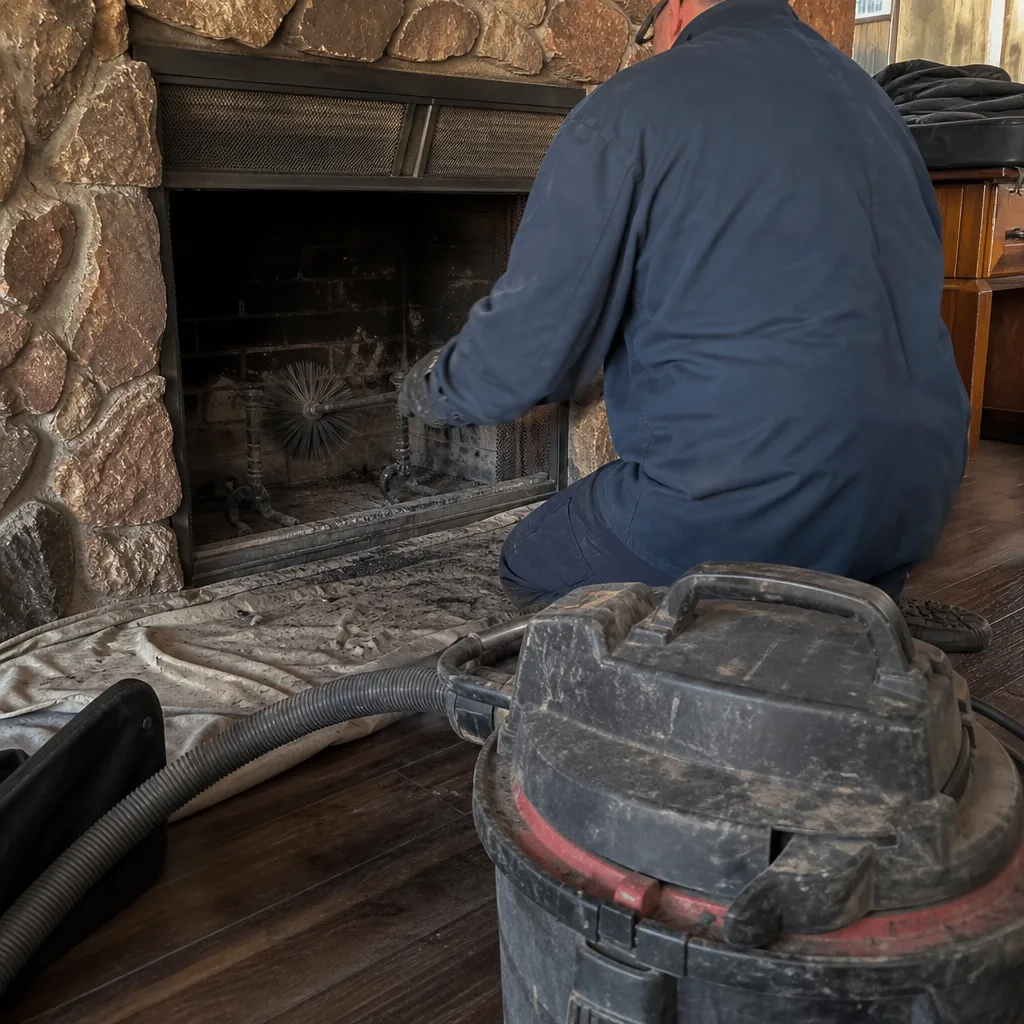 Before
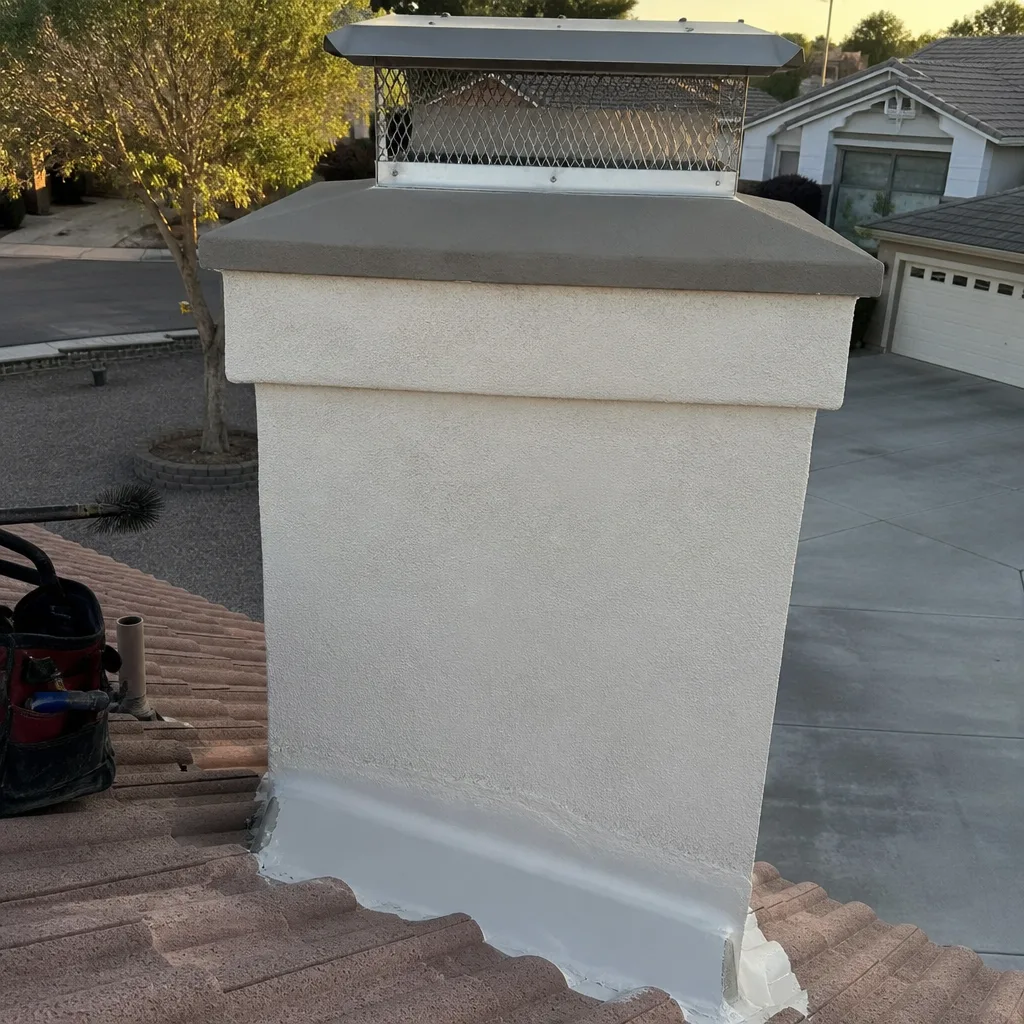 After
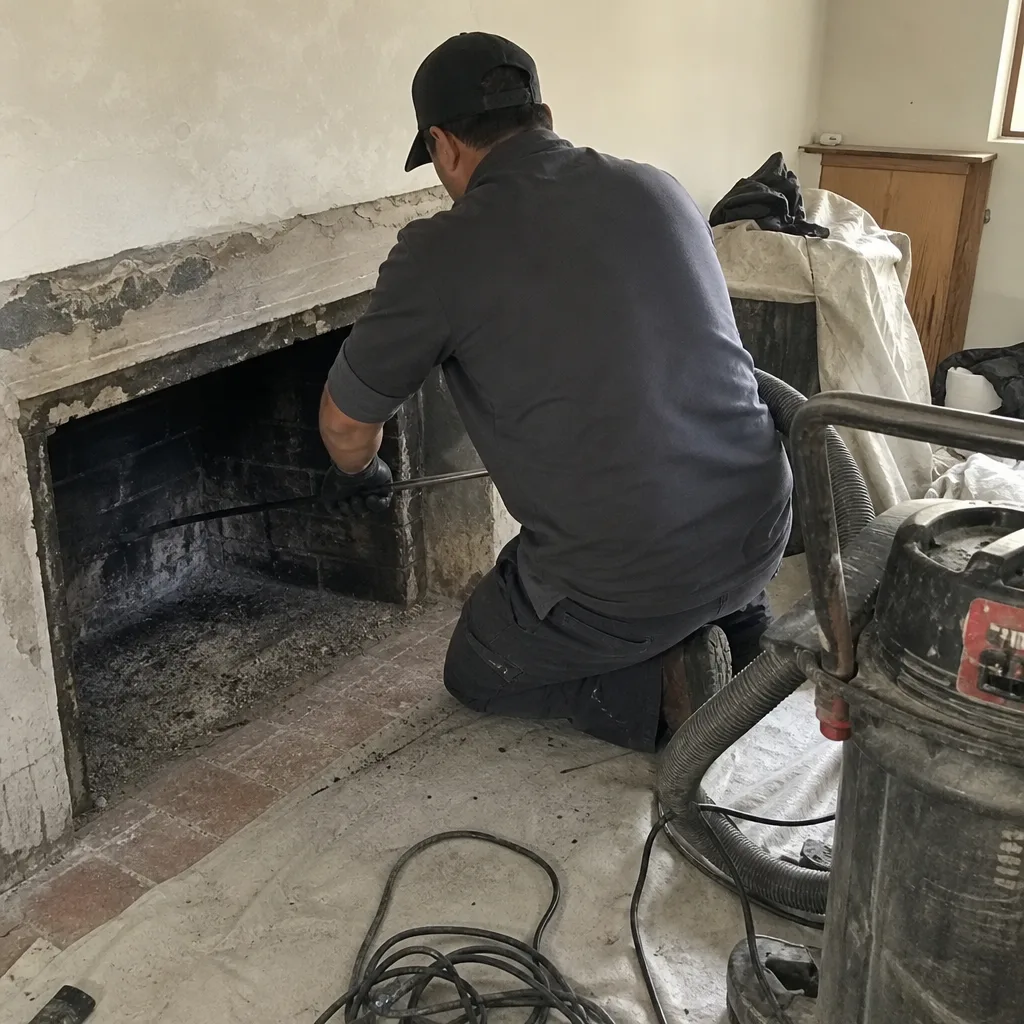 Before
 After
 Before
 After
Frequently Asked Questions
Chimneys in Victorville should be swept at least once per year before burning season begins, and more often if you burn more than a cord of wood or notice performance changes like smoke rollback or dark smoke during fires. The High Desert’s dry climate doesn’t reduce the need for sweeping; it changes the type of creosote that forms, and lighter, drier creosote can actually ignite more easily in some conditions. Homes built before 1990 with older masonry chimneys should get a professional camera inspection every two years regardless of usage, as covered in Choosing the Right Chimney Cleaning Brand: A Buyer’s Guide for Victorville. Call (866) 253-5031 for an exact assessment based on your fireplace and burn habits.
A basic chimney sweep in Victorville typically falls in the $180 to $300 range depending on the flue height, accessibility, and whether it’s a masonry or prefab system, though the final price varies based on what the inspection reveals. Homes that need additional work like cap replacement or liner repair will see additional costs beyond the sweep itself. Pilgrim Chimney provides free estimates so you know the full scope before any work begins. Call (866) 253-5031 to schedule a sweep and get an exact quote.
If you skip a chimney sweep, creosote continues to accumulate on the flue walls, and the risk of a chimney fire increases with every fire you burn after the quarter-inch threshold is passed. Beyond the fire risk, skipping a sweep means structural problems like cracked flue tiles or a failed crown go undetected, and undetected structural damage leads to costlier repairs like liner replacement down the road. A chimney fire can crack a flue liner instantly, turning a $250 sweep into a $2,000 to $5,000 repair or full liner replacement. The math favors maintenance.
You may not need a new liner, and the only way to know is with a camera inspection that shows you the actual condition of your existing flue. A cracked or spalling clay tile liner is a genuine fire and carbon monoxide hazard that needs addressing, but a full liner replacement isn’t always required. HeatShield resurfacing can restore a deteriorated flue in many cases without the cost of a full replacement, and a DuraFlex liner system handles the cases where replacement is genuinely necessary. We don’t recommend either one without camera evidence you can see for yourself. Call (866) 253-5031 for a camera inspection, and we’ll show you exactly what we’re seeing.
You can perform a meaningful visual inspection from the ground and from inside the firebox without any special tools, but you cannot see the full length of the flue interior, and that’s where the most dangerous conditions develop. Your at-home inspection should cover the cap position, mortar joint appearance, firebox condition, and damper operation. Anything that requires the flue walls or a rooftop assessment needs a certified technician with camera equipment and the right ladder setup. The line is clear: observe from the ground, call for anything on the roof.
Wind in Victorville damages chimneys through three mechanisms: mechanical stress on the cap and top course of brick, sand and debris loading into the flue through any gap in the cap, and accelerated water penetration when wind-driven rain finds its way into cracks that would stay dry in calm conditions. The Mojave’s wind events also dislodge flashing and can pull screws out of cap hardware over multiple seasons. This is why the post-storm inspection is the most important habit in this entire guide; wind damage is cumulative, and it compounds faster in Victorville than in most Southern California communities.
The Bottom Line
A chimney maintenance checklist that follows the national “fall and spring” template will miss the specific ways Victorville’s climate attacks your chimney. This guide gives you a month-by-month plan tied to wind season, freeze-thaw cycles, and actual burn habits. The fifteen-minute post-storm inspection? That’s the habit that catches cap displacement and wind-blown debris before they become expensive failures. The twice-yearly photo documentation? That’s what catches gradual mortar and liner deterioration before it becomes a structural problem. And the dryer vent checkpoints? That’s closing the loop on whole-home fire safety. Work the checklist, keep your records, and explore more guides & resources when you need deeper guidance, or call a professional the moment something doesn’t look right. Steady, methodical, thorough: that’s how you maintain a chimney in the High Desert.
Written by the team at Pilgrim Chimney, serving Victorville since 2014.