Last updated October 30, 2026
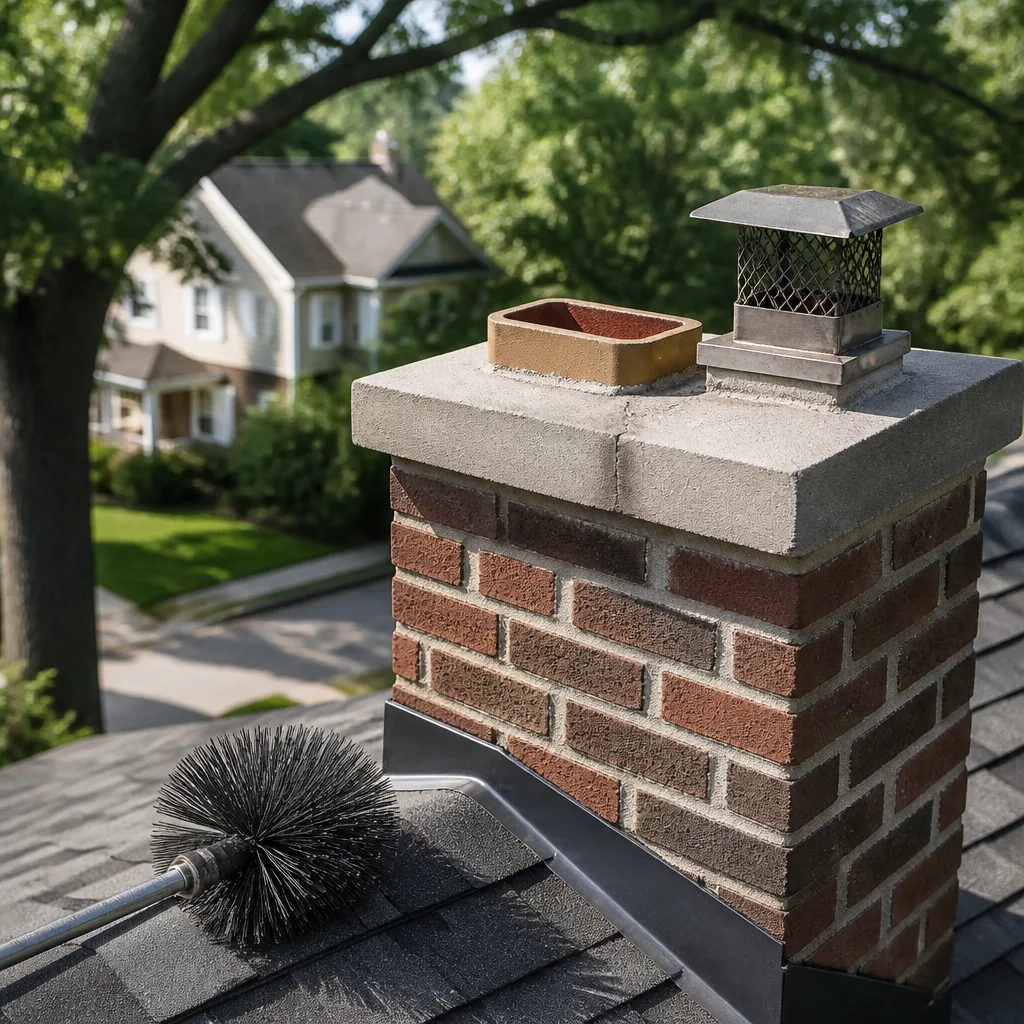 Sweep & inspection
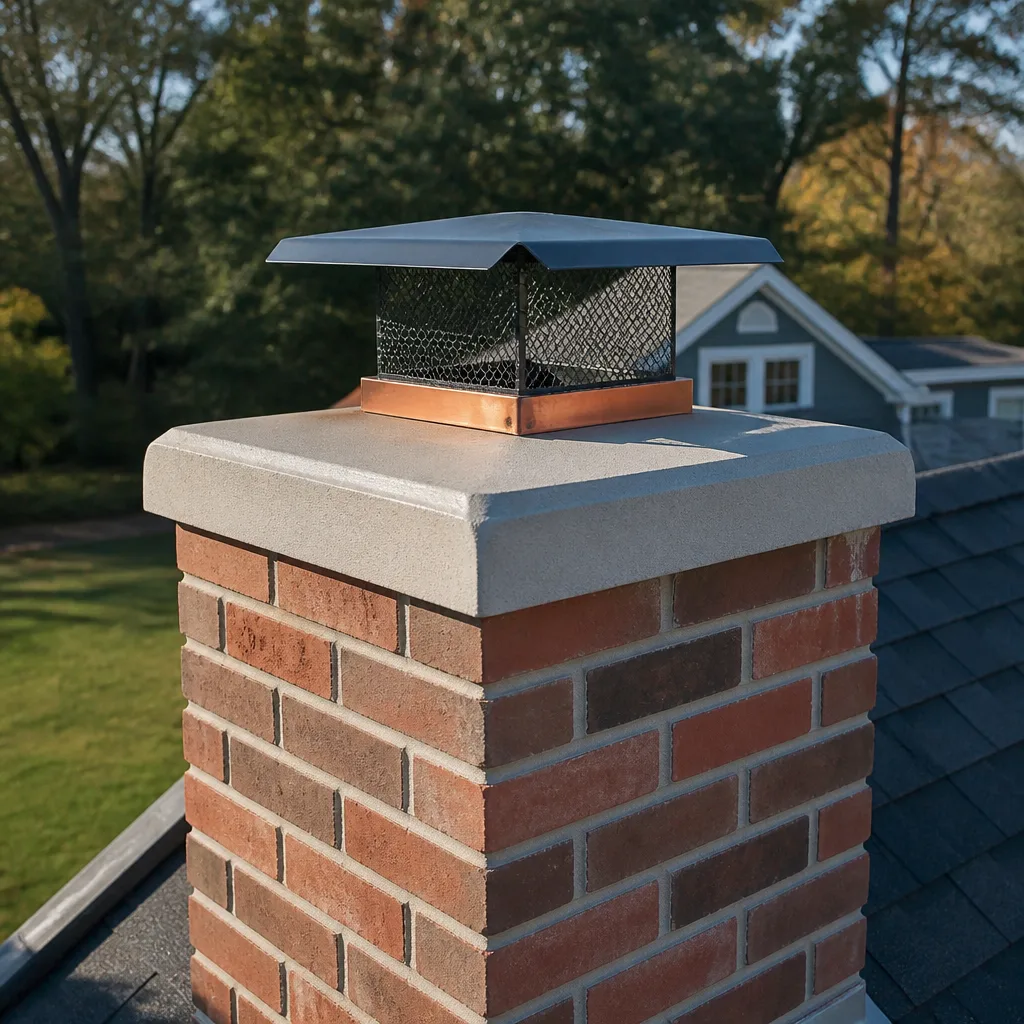 Caps & crowns
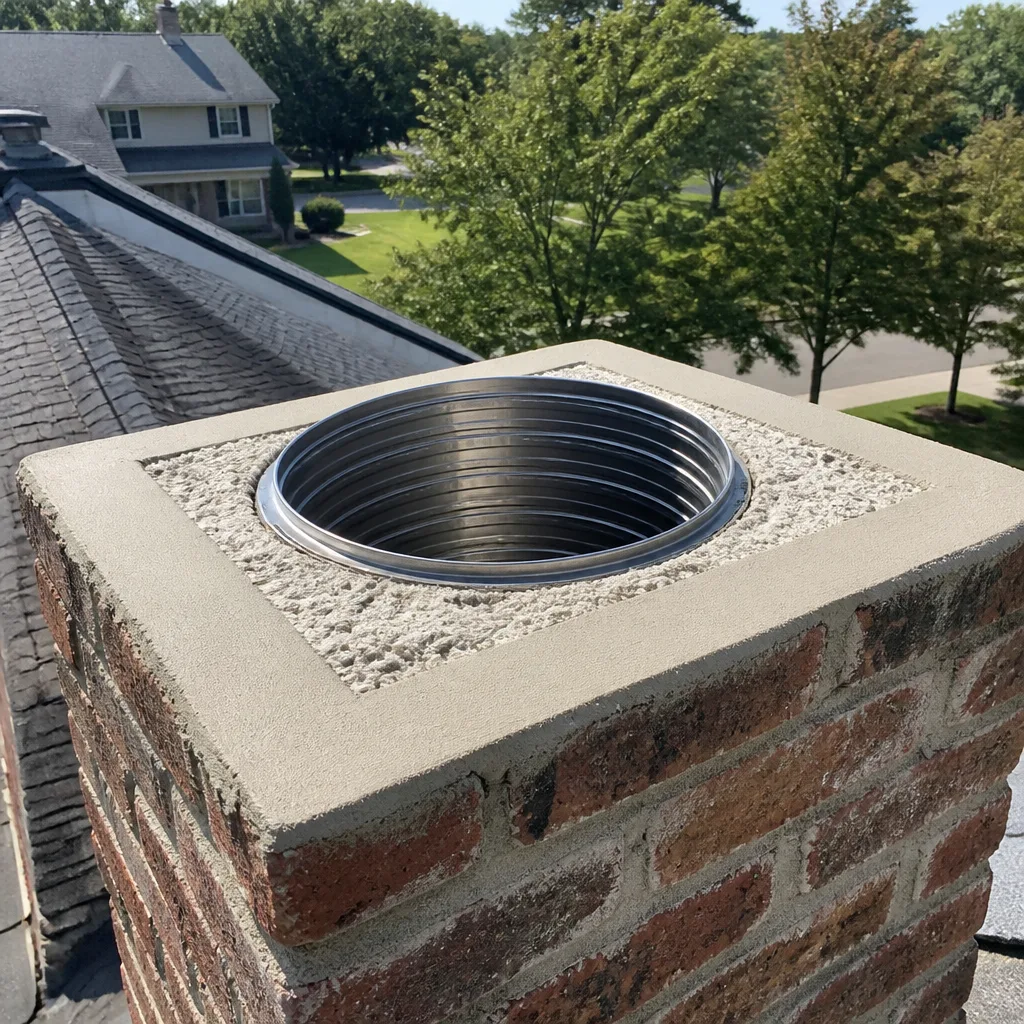 Flue relining
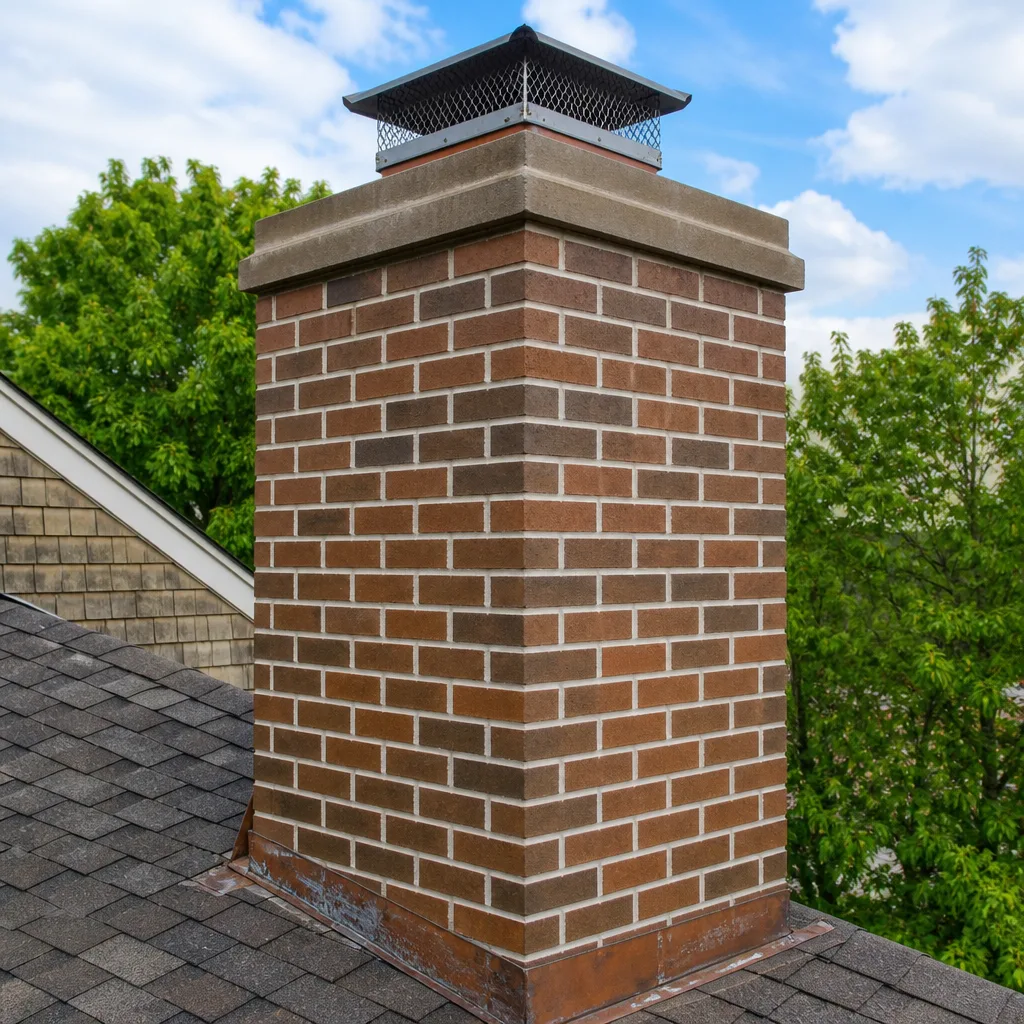 Masonry repair
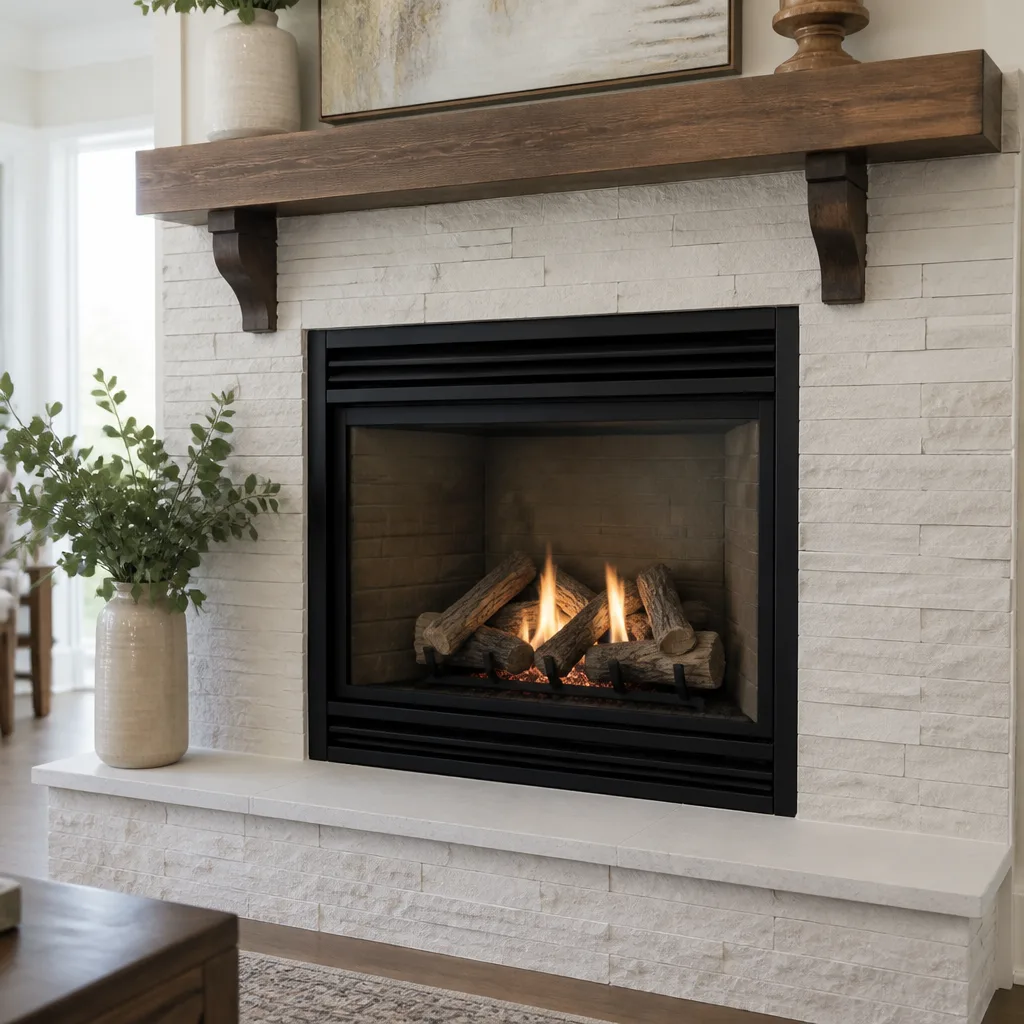 Gas fireplace service
Level 1 sweep and inspection to the NFPA 211 annual standard - flue, crown, cap, and flashing checked and photographed
Chimney sweep logs do not sweep chimneys. They loosen some creosote - which then falls where a brush and vacuum still have to collect it.
Chimney Cleaning Warning Signs: A Victorville Homeowner’s Reference Guide
Most chimney warning sign lists start with smoke backing into the room or a weak draft. By the time a homeowner in Victorville notices either, the problem has usually been developing for months. A slow draft is a late symptom. The signs that matter most: white staining on exterior masonry, tar-like glaze at the damper, a chimney cap shifted by desert wind, show up weeks or even seasons earlier and get ignored because nobody has told homeowners what they mean. This guide explains the physical warning signs you can observe yourself, prioritized by urgency and fire risk, and what each one tells you about the condition of your flue. For a deeper dive into prevention, see our Chimney Sweep Maintenance Checklist for Victorville Homeowners.
Quick Answer
The most important chimney warning signs for Victorville homeowners are white mineral staining on exterior brick, spalling or flaking masonry, a persistent sharp odor even when the fireplace is cold, flaky or tar-like creosote visible at the damper, and a chimney cap that has shifted or come loose after a wind event. Any of these indicates a system that needs professional inspection before the next fire. Most are visible from the ground or at the damper level, without climbing onto the roof.
Styles & brands we work with
Table of Contents
- Exterior Warning Signs You Can See From the Ground
- Interior Warning Signs at the Damper Level
- The Odor Test: Normal vs. Dangerous
- Creosote Stages: What Buildup Actually Looks Like
- Liner Failure vs. Creosote Buildup: Different Problems, Different Responses
- Dryer Vent Warning Signs: The Same Fire-Safety Urgency
- Victorville Wind and Your Chimney Cap
- Priority Order: What to Address First
Exterior Warning Signs You Can See From the Ground
Walk out to your front yard or driveway and look at your chimney. You do not need a ladder or any special equipment. Three visual conditions common to Victorville homes are reliable early warning signs, and each one has a specific cause that matters for the right fix.
White staining on the brick or mortar, called efflorescence, is the most overlooked sign. It appears as a chalky white or gray film, often patchy, running in vertical streaks down the masonry. Efflorescence means water is moving through the chimney structure. The white residue is mineral salt left behind when moisture evaporates after soaking into the brick. In the High Desert climate, this is especially common because the rapid temperature swings between hot days and cold nights pull moisture in and out of masonry repeatedly. A little efflorescence after a wet winter is not always a crisis. But when the staining is widespread, or when it reappears quickly after brushing it off, the chimney is absorbing water on a regular basis. That trapped moisture degrades the mortar joints, accelerates liner corrosion, and eventually leads to the next sign.
Spalling, or flaking brick faces, is what happens after moisture has been working on the masonry for years. You will see thin slices of brick popping off and falling onto the roof or the ground, leaving a recessed, powdery surface. The brick looks like it is shedding. Spalling in Victorville is frequently triggered by the same wet-dry cycling that causes efflorescence, but it means the structural material itself is failing, not just the cosmetic surface. A chimney with advanced spalling is a chimney whose outer shell is no longer protecting the flue inside. We see this most often on chimneys that have been through multiple decades of desert wind and seasonal moisture without repointing. The fix is masonry repair, not a cleaning. But the warning sign should trigger both: the masonry fix to stop water intrusion, and a camera inspection to see whether the liner has been affected.
A displaced or missing chimney cap is the third exterior sign, and in Victorville it deserves its own category because of the wind. Gusts in the pass routinely exceed 40 mph, and a properly installed cap should not move. When a cap is loose, cocked to one side, hanging by a single fastener, or gone entirely, the flue is open to whatever the wind carries. Desert dust, tumbleweed debris, and birds all get in. In our experience, a missing cap is the most common cause of sudden animal intrusion calls in this area. It also changes the draft characteristics of the chimney, and in wind-driven conditions, it can contribute to smoke spillage into the living space. We cover this in more detail in the wind section below.
Quick Exterior Check List
- White chalky staining on brick: moisture moving through masonry
- Flaking or spalling brick faces: structural masonry degradation
- Cap missing, tilted, or loose: open flue, wind and animal entry
- Mortar joints crumbling or powdering: water intrusion and weakening structure
- Visible rust stains on the chase top or cap: standing water or failing flashing
Interior Warning Signs at the Damper Level
You do not need to go onto the roof to gather meaningful information about your chimney. The damper area, accessible from the firebox, tells you a great deal if you know what to look for. These are observations any homeowner in Victorville can make safely without climbing, and they are the same checkpoints we use on a visual inspection before any cleaning begins.
Open the damper and shine a bright flashlight upward. The first thing to check is the damper plate itself. If you see a dark, shiny, tar-like substance clinging to the metal, that is third-degree creosote. It is the most dangerous form of chimney residue, and we will discuss it in the next section. What matters at the damper level is that this glaze is often visible from below with no special tools. It appears as a glistening black crust, sometimes with a slight blue or purple sheen, and it has a texture closer to hardened road tar than to soot.
The second observation is the throat area just above the damper opening. This is the narrowest choke point in the chimney, and it is where creosote and soot accumulate first. If you see thick, crusty black residue built up to the point that the opening looks noticeably smaller than the damper frame itself, the flue has significant restriction. A light, dust-like coating is normal after a season of burning. A quarter-inch of crusty buildup is not. In our experience, many Victorville fireplaces get used only in the winter and sit dormant the rest of the year. That intermittent use actually allows creosote to harden between fires, which makes it more difficult to remove and more concentrated as a fire risk than creosote that is swept annually.
Third, look for flaking material falling down from the flue walls onto the smoke shelf. This often looks like thin, dark flakes or small chunks that have collected just behind the damper opening. These flakes are usually creosote, but they can also be pieces of a deteriorating clay tile liner. Distinguishing one from the other is not something a visual check alone can always do reliably, which is why a camera inspection matters. If you see hard, angular shards rather than soft, crumbly flakes, that points toward flue tile material and should be treated as a liner concern, not just a cleaning issue.
Step-by-Step Damper Check
- Open the damper fully and allow any loose dust to settle for a minute.
- Shine a strong flashlight up into the throat area from the firebox.
- Look at the damper plate surface for shiny, tar-like glaze.
- Look at the throat walls for crusty buildup thicker than about a quarter inch.
- Look at the smoke shelf for collected flakes or hard shards.
- Close the damper and note any odor persisting over the next 30 minutes.
The Odor Test: Normal vs. Dangerous
Every wood-burning fireplace has a smell. The question is whether the smell is normal and occasional, or whether it has become persistent and sharp. The difference matters because it separates routine maintenance from a fire-safety issue.
A normal post-burn smell is mild, short-lived, and closely tied to the last fire. It usually fades within a day or two, appears only when the fireplace was recently used, and is more prominent right after a fire. It typically smells like cold ash or faint smoke. This is not a warning sign, though it can be an indication that a cleaning is due. In Victorville’s dry high-desert air, this kind of smell tends to be less noticeable than in more humid climates, because moisture does not trap and amplify odors in the masonry by the same degree.
A dangerous smell is different. It is often stronger when the fireplace has not been used for days or weeks, appears during humid stretches or in the morning when air pressure changes, and carries a sharpness that catches the back of the throat. It can smell like asphalt, burnt oil, or acrid campfire smoke that has turned sour. This is the odor of third-degree creosote glaze, and it persists because the creosote is thick, concentrated, and sitting directly against the flue walls. In our experience, this smell worsens when the outside temperature climbs, which is why Victorville homeowners often notice it most during unexpectedly warm winter afternoons. The heat warms the flue without a fire, and the creosote releases its odor back down through the damper. If you notice this pattern, it is a serious sign. The chimney should not be used again until it has been professionally inspected and cleaned.
A third odor pattern worth noting: a persistent musty or damp smell, especially after rain. That points to water intrusion rather than creosote, and it requires a different response. Mustiness suggests a leak path through the masonry, flashing, or cap. Water sits in the smoke shelf or the ash pit and breeds the smell. Left unaddressed, the same water path will eventually compromise the liner and the masonry, no matter how clean the flue is.
Creosote Stages: What Buildup Actually Looks Like
Creosote is not just one substance. It goes through three recognizable stages, each with a different texture, fire risk, and removal challenge. Understanding these stages helps homeowners interpret what they see and take the right urgency level.
First-degree creosote is mostly loose soot. It is dusty, black or dark brown, and brushes off easily. It forms when the fire burns hot and the combustion is reasonably complete. Regular annual sweeping removes this stage without complications. It carries real fire risk but is manageable with routine cleaning, and most homeowners in Victorville who burn seasoned, dry wood will build up mostly first-degree creosote, provided they do it consistently and the chimney drafts well.
Second-degree creosote is flaky and crusty. It looks like dark cornflakes or brittle shards, and it does not brush off with a simple sweep alone in many cases. It forms when the fire is not consistently hot, or when a restricted air supply causes incomplete combustion. Homes in the High Desert that use glass doors and burn with restricted air through the night commonly produce this stage. Second-degree creosote is significantly harder to remove and ignites more readily than first-degree. It is the most common stage we find in chimneys that have gone two or more seasons between cleanings.
Third-degree creosote is the one that creates the urgent warning signs. It is a hard, shiny, tar-like glaze, sometimes with visible drips that look like candle wax running down the flue wall. It forms when the previous stages are left in place and then subjected to repeated heat cycles. It is concentrated fuel. A flue lined with third-degree creosote can sustain a chimney fire at temperatures that crack clay tiles and warp metal liners. Removing it requires mechanical or chemical treatment beyond standard brushing. In our experience, once a Victorville homeowner can see this glaze at the damper or smell it on a warm day, ordinary annual sweeping is no longer the right tool. The flue needs a targeted, often more aggressive cleaning process, and it needs it before the next use.
Creosote Stages Reference
- Stage 1: Loose, powdery soot. Brushes off. Low-to-moderate risk with routine service.
- Stage 2: Flaky, crusty shards. Requires more aggressive brushing. Moderate-to-high risk.
- Stage 3: Tar-like glaze with a sheen. Requires chemical or mechanical removal. High fire risk. Do not burn until addressed.
Liner Failure vs. Creosote Buildup: Different Problems, Different Responses
This is where the warning signs get confusing, because creosote buildup and liner failure show up in some of the same places. But they are different problems, they demand different fixes, and mistaking one for the other is a common and expensive error for Victorville homeowners.
Creosote buildup is a fuel problem. It accumulates on the inside surface of the flue, narrows the passage, and burns. The fix is professional removal. Liner failure is a structural problem. The flue liner, usually clay tile in older Victorville homes, cracks, flakes, or separates over time. The fix is liner repair or, in some cases, resurfacing or replacement. Here is the distinction that matters: cleaning a failed liner does not fix it, and lining over heavily creosoted flue walls without cleaning them first is not safe.
Signs that point specifically toward liner failure include: hard, angular shards in the firebox or on the smoke shelf, rather than soft creosote flakes. Pieces that resemble broken terracotta pot fragments are likely clay tile. A sudden loosening or collapse of material inside the chimney that makes a new rattling sound during wind or during sweeping may also indicate separated tile. And in some cases, you will see gaps in the mortar joints between flue tiles during a camera inspection, which is why video is the definitive diagnostic. We never recommend a liner replacement based on a visual check alone, and homeowners should be suspicious of any recommendation that does not include camera evidence they can see.
Signs that point toward creosote buildup instead: shiny black glaze, peeling layers of tar-like scale, and a strong asphalt-like odor. These are combustion byproducts, not structural material. The right response is a thorough cleaning, perhaps with a Stage 3 treatment. That said, in a fireplace that has been heavily used for many years, both conditions often exist at once. The correct sequence is always cleaning first, then camera evaluation, then a repair recommendation if needed. A chimney that its owner believes just needs a sweep may in reality be hiding a cracked liner behind the creosote.
This distinction is the practical reason we built our approach around repair capability, not just sweeping. When a company can only clean, every liner problem triggers a referral and a second contractor. When the same team can handle both, the advice stays direct. You learn whether you need a sweep, a repair, or both, and the recommendation is based on what is actually in the flue. For help selecting a provider with this range of capabilities, read Choosing the Right Chimney Cleaning Brand: A Buyer’s Guide for Victorville.
Chimney Repair in Victorville is part of the same service scope as our cleaning work, which is not true of every company in the area. That changes how problems get diagnosed and what gets recommended.
Dryer Vent Warning Signs: The Same Fire-Safety Urgency
A dryer vent carries hot, lint-laden exhaust out of your house, and when it becomes restricted, the warning signs are quieter than a chimney fire but the consequences are just as real. The National Fire Protection Association identifies dryer vent fires as one of the leading causes of residential structure fires each year. The warning signs are observable, and they should be treated with the same seriousness as creosote buildup.
The clearest warning sign is extended drying time. If a load that used to dry in 45 minutes now takes 80, the vent is restricted. That is not a dryer motor problem in most cases; it is an airflow problem. The moisture has nowhere to go, so the dryer holds the clothes longer. Lint accumulates because the vent is already partly blocked, and every additional cycle adds more. It is a compounding problem that does not correct itself.
A second warning sign is an exterior vent flap that does not open when the dryer is running. Stand outside the vent while a load is drying. The flap should be visibly pushed open by the airflow and should close when the dryer shuts off. If the flap barely moves, or stays closed, the exhaust is so restricted that it has lost the force to move the flap. This is a late-stage sign. The vent is already heavily loaded with lint inside the duct run.
Other signs: the laundry room feels warm and humid during a cycle, the top of the dryer is hot to the touch, clothes smell slightly musty even after drying, and the outdoor vent area has visible lint packed around the opening. In our experience, these symptoms in Victorville homes are often compounded by dryer vent runs that pass through attics, where summer heat and winter cold cycles bake lint into a dense mat that normal household tools cannot reach. That is why Dryer Vent Cleaning in Victorville uses professional equipment to clean the full run, not just the first foot of duct behind the appliance.
The connection to chimney safety is straightforward: both systems carry hot exhaust out of the home, both accumulate combustible residue, and both need the same methodical attention. A homeowner who treats the fireplace carefully but ignores the dryer vent has only addressed half the fire-safety picture.
Victorville Wind and Your Chimney Cap
The High Desert wind is not a background condition. It is an active participant in chimney deterioration, and it creates warning signs that coastal homeowners never see. Gusts through the Cajon Pass and across the Victor Valley regularly exceed 40 mph, and sustained periods of 20 to 30 mph are common for days at a time. A chimney, especially a taller one with a broad cap, catches that wind like a sail.
The first failure point is usually the cap fastening. Standard caps are secured with pressure screws or tap-in fasteners into the top flue tile. Over years of wind loading, those fasteners work loose. The cap starts to shift, or it rocks on the tile crown. A homeowner may hear a faint metallic rattle during high wind, or may notice that the cap sits at a slight angle from the street. This is the time to act, not after the wind has finished the job.
When a cap comes fully off, the flue is an open vertical pipe. Rain enters directly, settling into the smoke shelf and ash pit. Birds enter, and in the spring, nesting activity around a cap-less flue is one of the most common surprise discoveries during a sweep. In our experience, Victorville homeowners are more likely than those in neighboring cities to lose caps completely, simply because sustained wind stress is higher here. A cap that would stay in place for twenty years in a sheltered coastal neighborhood can loosen in five to eight years in this climate.
We install and service caps and chase covers as part of routine chimney work, and we recommend homeowners make a point to visually check the cap after any major wind event. The check takes about ten seconds from the curb. The investment in early attention prevents a water-damaged flue, an animal intrusion, and often the need for a more involved repair later.
Priority Order: What to Address First
If you have observed multiple warning signs, the order in which you address them matters. Not every sign means the same level of urgency, and Victorville’s climate dictates some of the sequencing. Here is the order we recommend, based on the fire-safety risk and the pace at which the problem compounds.
- Third-degree creosote glaze or persistent asphalt-like odor. This is the highest priority. Do not use the fireplace until it has been professionally addressed. The fire risk is immediate and severe.
- Missing or displaced chimney cap. The system is open to rain, wind-driven debris, and nesting. Water damage begins with the next weather system, even in a dry climate.
- Visible spalling or significant efflorescence. Masonry degradation is ongoing. Each freeze-thaw cycle in winter and each wet-dry cycle in summer makes it worse. Water is actively working on the structure.
- Liner shards in the firebox or smoke shelf. This suggests structural flue damage and requires camera evaluation before the next burn.
- Heavy Stage 2 creosote buildup. A fire hazard that has not yet reached the critical stage, but should not wait another season.
- Dryer vent restriction signs. Longer dry times and a non-opening flap indicate real fire risk and should be addressed. In most cases this can be done the same visit as a chimney service.
- Mild first-degree soot or occasional post-burn smell. This is routine maintenance. Schedule a cleaning when convenient, before the burning season begins.
One pattern we want Victorville homeowners to understand: signs do not arrive all at once. They build in sequence, and the ones that appear first, mild efflorescence, a slightly prolonged drying time, faint odor on warm days, are the easiest to ignore. By the time the serious signs appear, the problem has been underway for years. The purpose of this guide is to give you the ability to read the early signals before they become late ones. Explore our more guides & resources for additional homeowner education.
When to Call a Professional
Call a professional chimney company when you see any of these signs: shiny tar-like glaze at the damper, a persistent sharp odor when the fireplace is cold, chunks of flue tile in the firebox, a missing or tilted chimney cap, or visible brick spalling on the exterior. Do not attempt to remove Stage 3 creosote yourself, and do not climb onto a roof to inspect a cap without proper fall protection. These are not DIY observations to turn into DIY repairs. They are diagnostic signals that tell a qualified technician where to look first. Pilgrim Chimney offers free estimates in Victorville, call (866) 253-5031 to schedule an inspection or to discuss what you are seeing. The inspection starts where your observation ends: on the ground, at the damper, and in the flue, with a camera.
See the difference
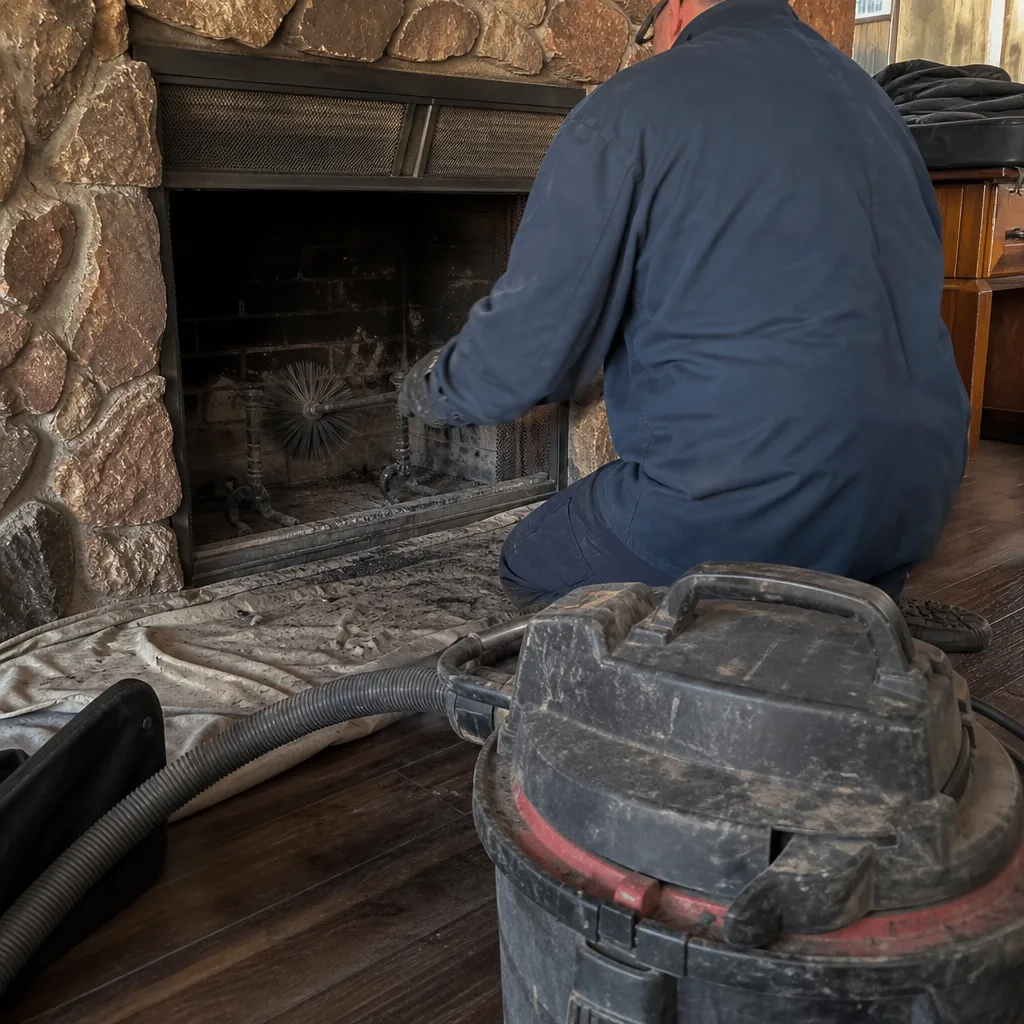 Before
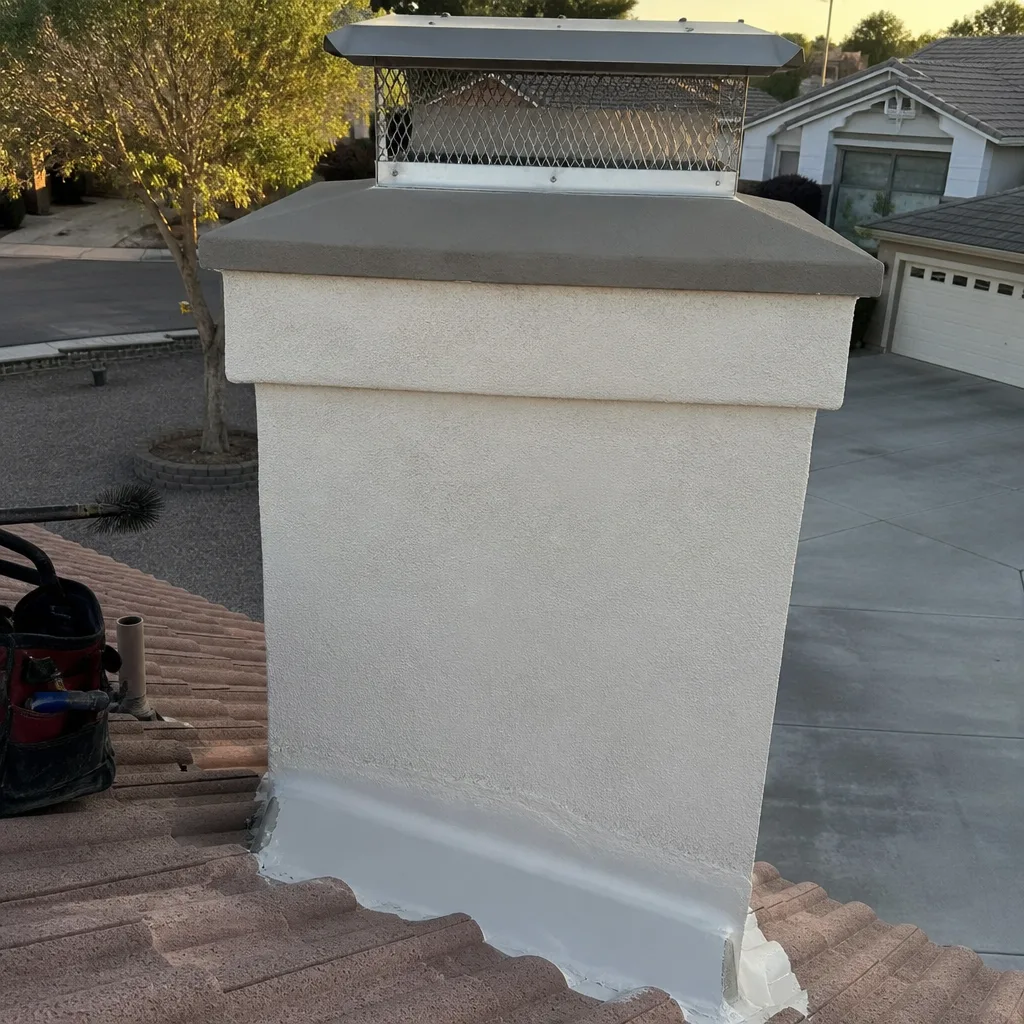 After
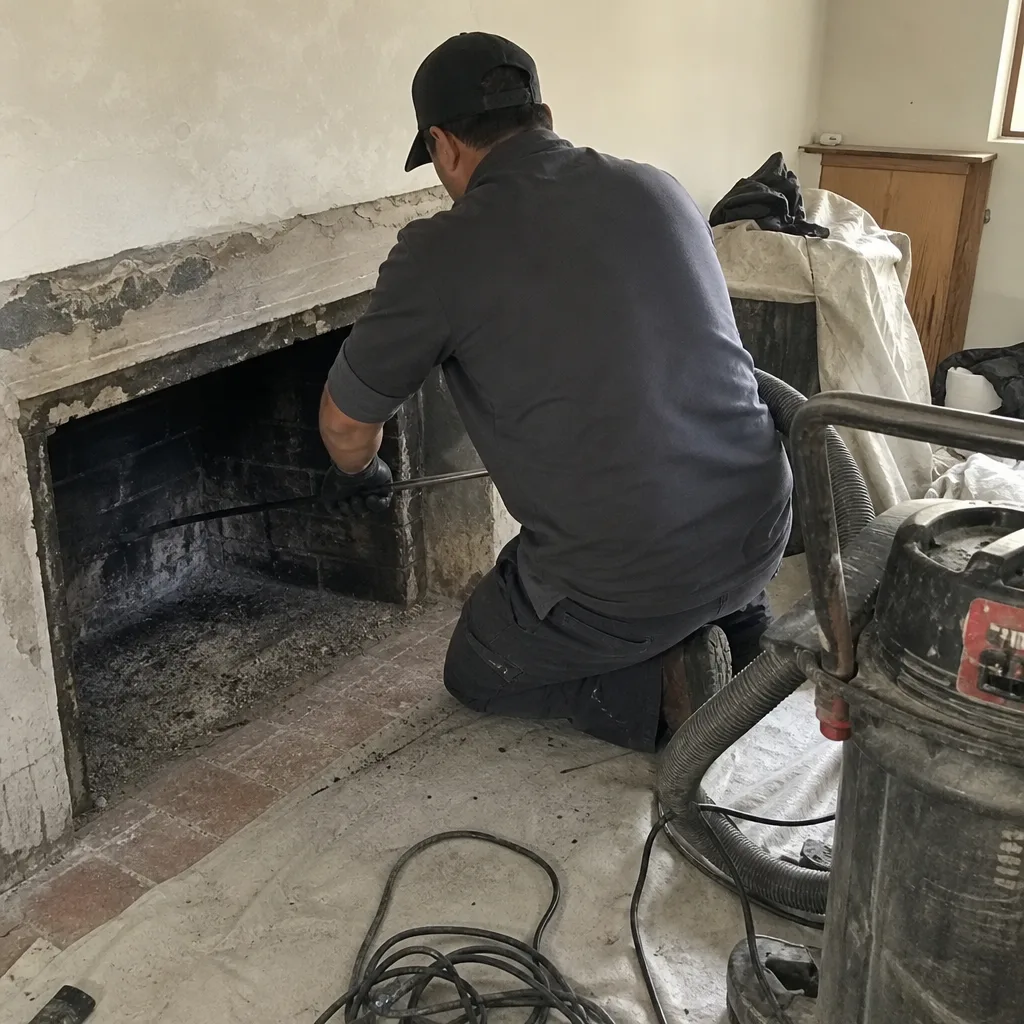 Before
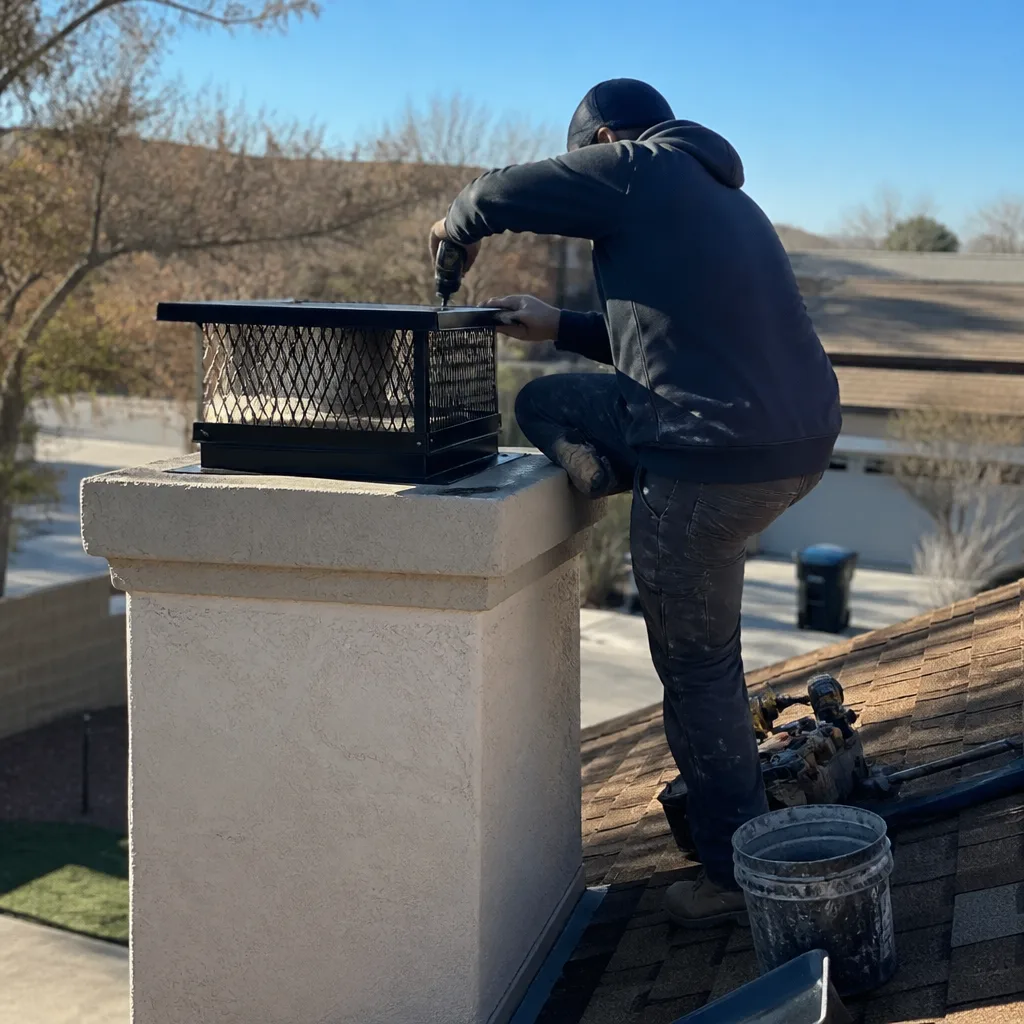 After
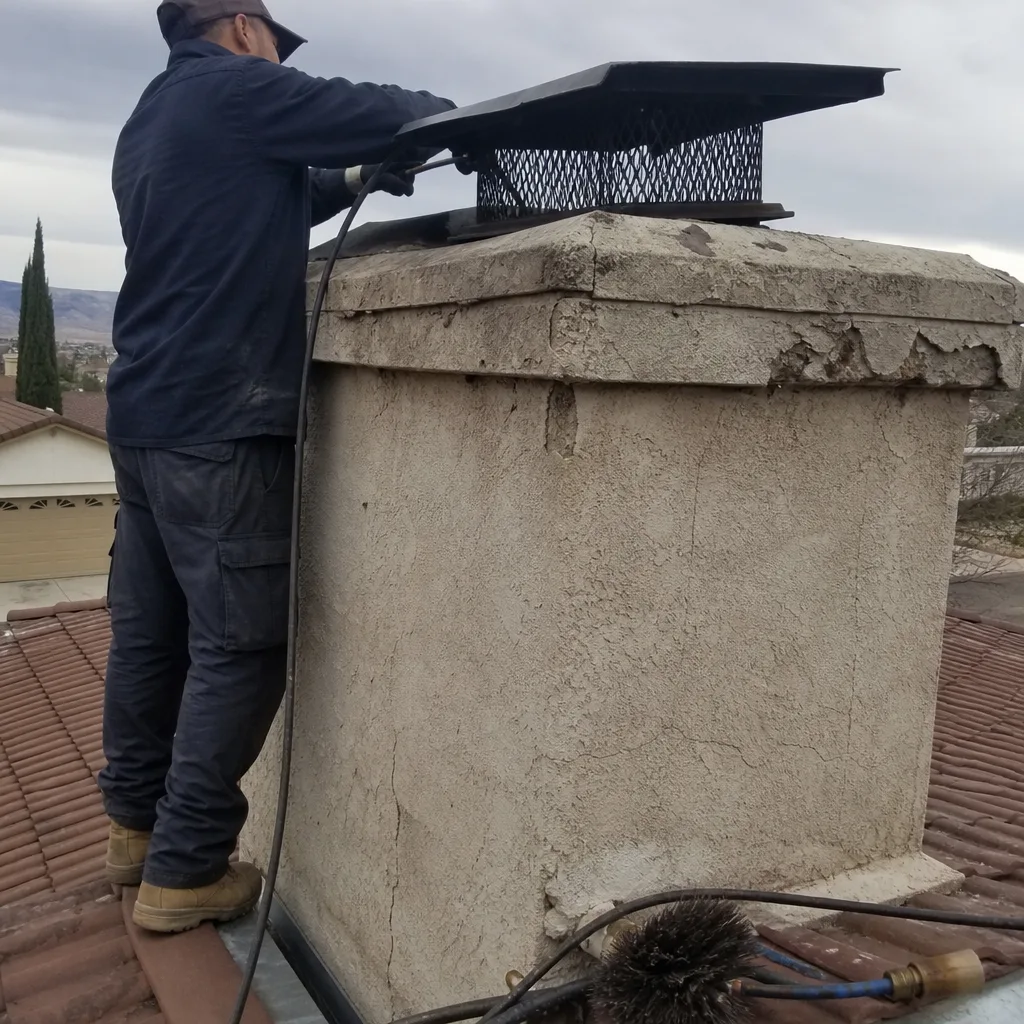 Before
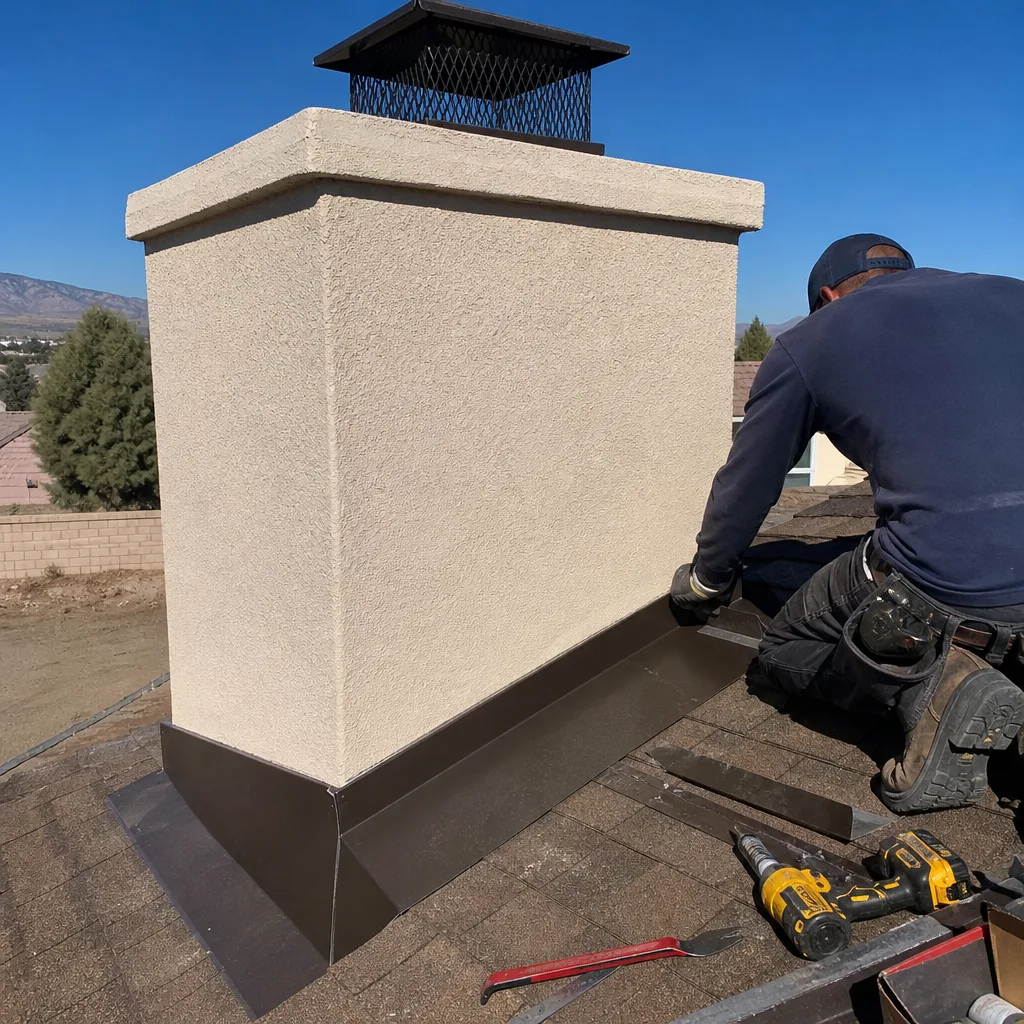 After
Frequently Asked Questions
A chimney that just needs cleaning will show creosote accumulation: soot, crusty flakes, or tar-like glaze, with no structural damage visible. A chimney that needs repair will show damage signs: cracked liner tiles, spalling masonry, water stains, or loose components like a moving cap. In Victorville, we determine which one applies with a visual inspection followed by a camera evaluation. Many chimneys need both, and the cleaning comes first, so the camera can see the liner walls clearly.
The most reliable precursor to a chimney fire is the presence of thick, hard creosote. If you see shiny black glaze at the damper, smell asphalt or burnt tar when the fireplace is cold, or hear a sudden roaring sound in the chimney during a fire, you are seeing pre-fire conditions. Any of these means the chimney should not be used until professionally addressed.
Once per year as a baseline, assuming regular use and dry, seasoned wood. Homes that burn wetter wood or use the fireplace as a primary heat source through the High Desert winter often need more frequent service. The National Fire Protection Association recommends cleaning when creosote buildup reaches one-eighth inch, regardless of time since the last sweep. An annual schedule for most Victorville homeowners keeps the flue below that threshold.
Yes. The most useful homeowner observations happen at the damper level from inside the firebox, and from the ground looking at the exterior masonry and cap. Use a flashlight to inspect the damper plate and throat area for glaze or heavy buildup. Then walk outside and look at the brick for staining, flaking, or cap displacement. These two checks cover most of the warning signs in this guide without any ladder work.
Yes, because the underlying issue is the same: combustible residue restricting an exhaust system that carries hot air out of your home. Lint accumulation in a dryer vent is directly comparable to creosote buildup in a chimney. Both catch fire, both get worse the longer they are ignored, and both are preventable with professional cleaning. Pilgrim Chimney handles both systems as part of the same fire-safety scope.
Stop using the fireplace or dryer until the affected system has been inspected. Do not attempt to burn off creosote with a hot fire, and do not run the dryer on a longer setting to compensate for restricted airflow. Then schedule a professional inspection. Call (866) 253-5031 for a free estimate in Victorville, and describe what you are seeing. The earlier the sign is caught, the less involved the correction usually is.
Common Mistakes to Avoid
- Ignoring a tilted chimney cap because it has not actually blown off. In Victorville, a loose cap usually fails completely during the next big wind event. The time to fix it is while it is still attached.
- Assuming a smoky odor always means the damper was accidentally left open. It often means the creosote in the flue is off-gassing, and this smell gets stronger on warm desert afternoons. Check the damper, but do not stop there.
- Running the dryer with a longer heat setting when dry times slow down. A restricted vent is the problem, not a weak heating element. More heat through a clogged duct increases the fire risk rather than solving the drying problem.
- Scraping tar-like creosote glaze yourself. Stage 3 creosote is hardened, chemically bound to the flue surface, and burning it off with a hot fire is one of the most common ways homeowners accidentally start a chimney fire.
- Assuming a camera inspection is an upsell. It is the only way to confirm the condition of the liner and to see whether the problem is creosote, structural cracking, or both. A company that does not use a camera cannot give a complete recommendation about a liner.
- Waiting until fall to think about the chimney. In Victorville, the best time to address chimney issues is spring or summer, after the burning season ends and before the fall rush. The wind, the heat, and the availability all work against the homeowner who waits until the first cold night.
- Treating the fireplace and the dryer vent as unrelated systems. They are both exhaust routes for fire-safety risk, and they both deserve the same level of attention. The same annual reminder that triggers a chimney sweep should trigger a dryer vent check.
The Bottom Line
Chimney warning signs in Victorville are observable, and they arrive in a logical sequence long before the fire itself becomes dangerous. White staining on brick, flaking masonry, a shifted cap after wind, tar-like glaze at the damper, a persistent odor on warm days, and a dryer vent flap that has stopped opening are all messages from the system telling a homeowner that something is wrong. Every one of these signs is checkable by a homeowner in a few minutes, with no roof work. The right response is not to burn hotter or to wipe off the symptom; it is to understand what the sign is pointing toward, stop using the affected system, and have it professionally evaluated. For thorough chimney cleaning, repair, and dryer vent service in Victorville, our team covers the full picture from sweep to repair under one roof. Call (866) 253-5031 for a free estimate, and visit the Pilgrim Chimney home page to learn more about our approach to whole-home fire safety.
Written by the team at Pilgrim Chimney, serving Victorville since 2014.