Last updated October 30, 2026
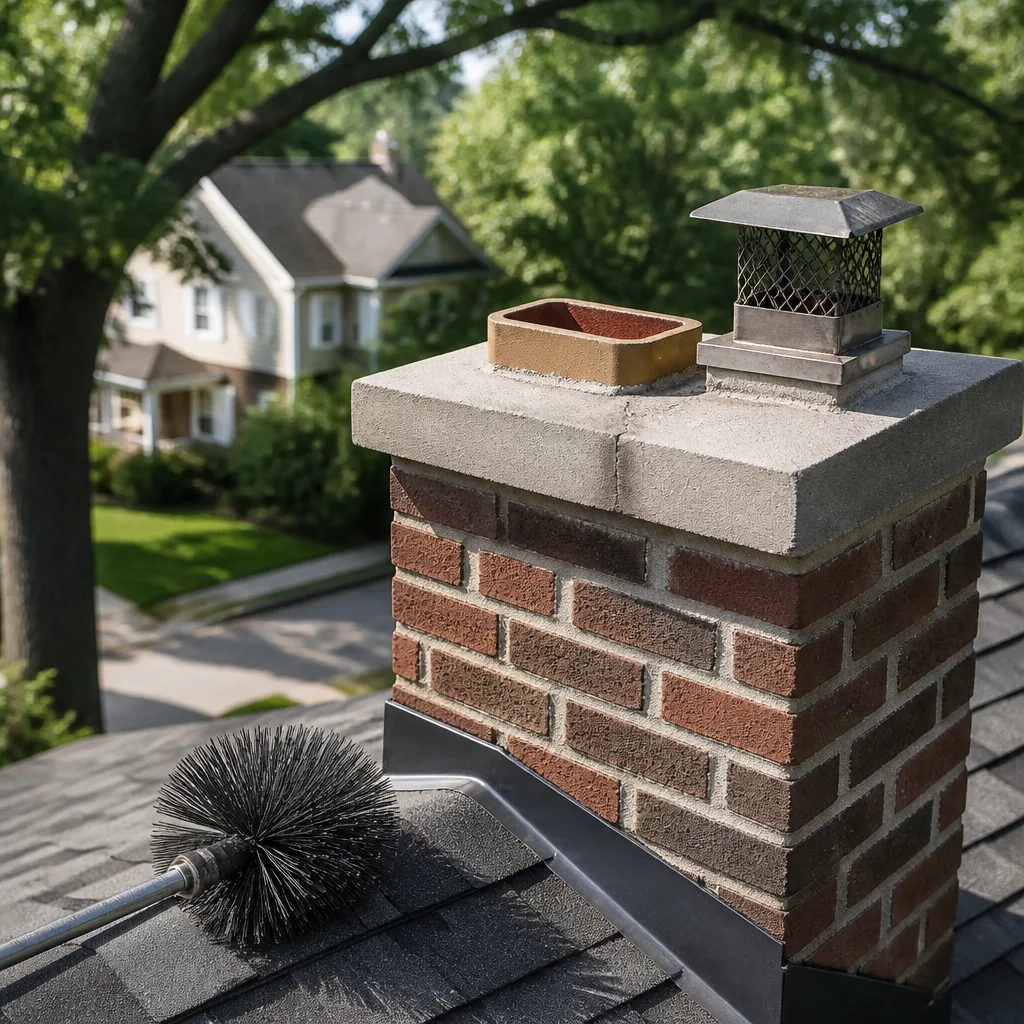 Sweep & inspection
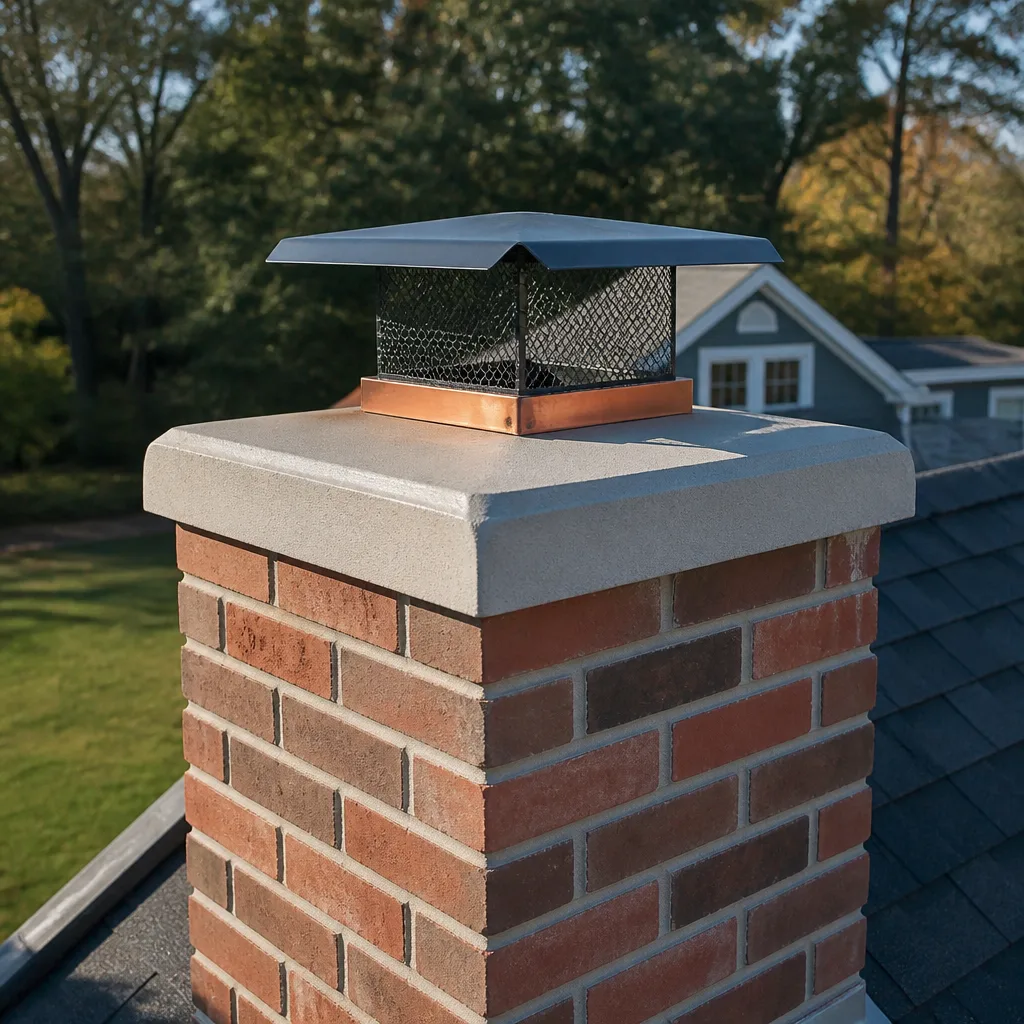 Caps & crowns
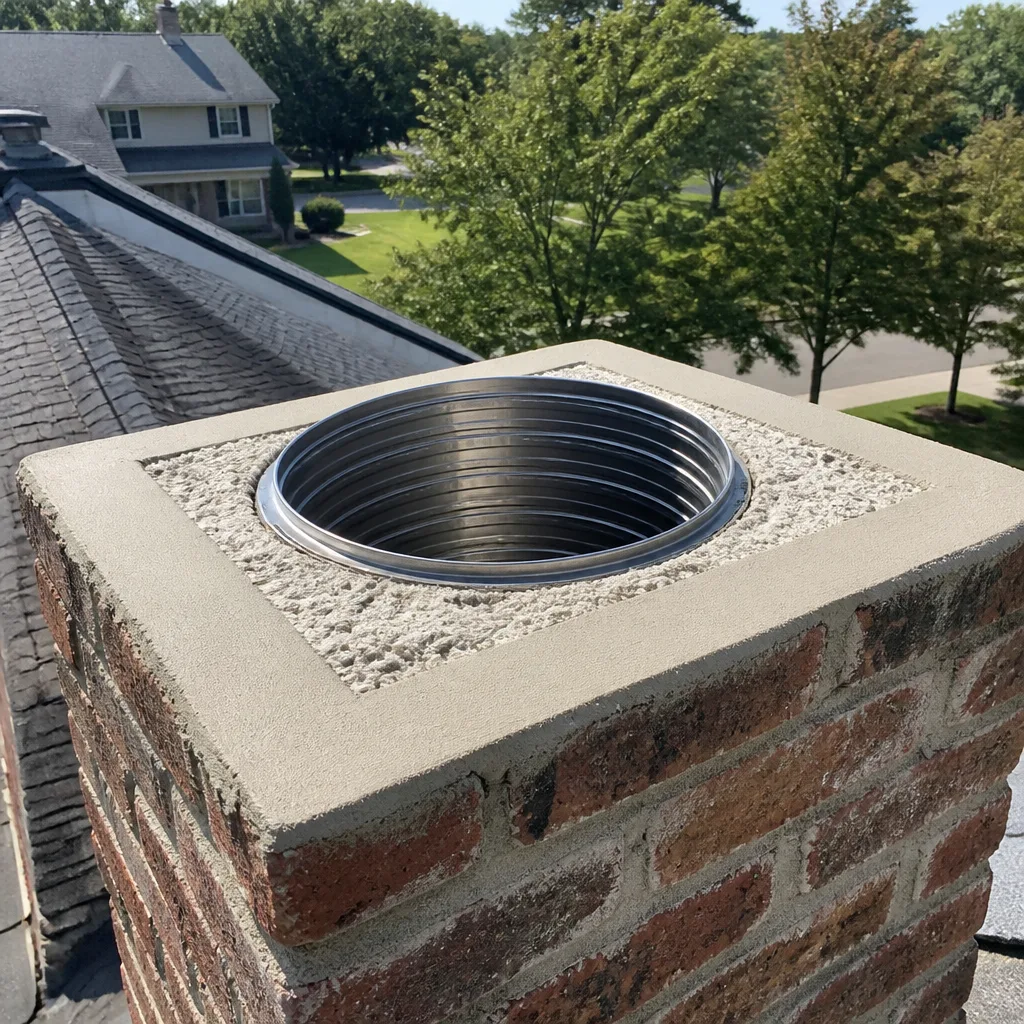 Flue relining
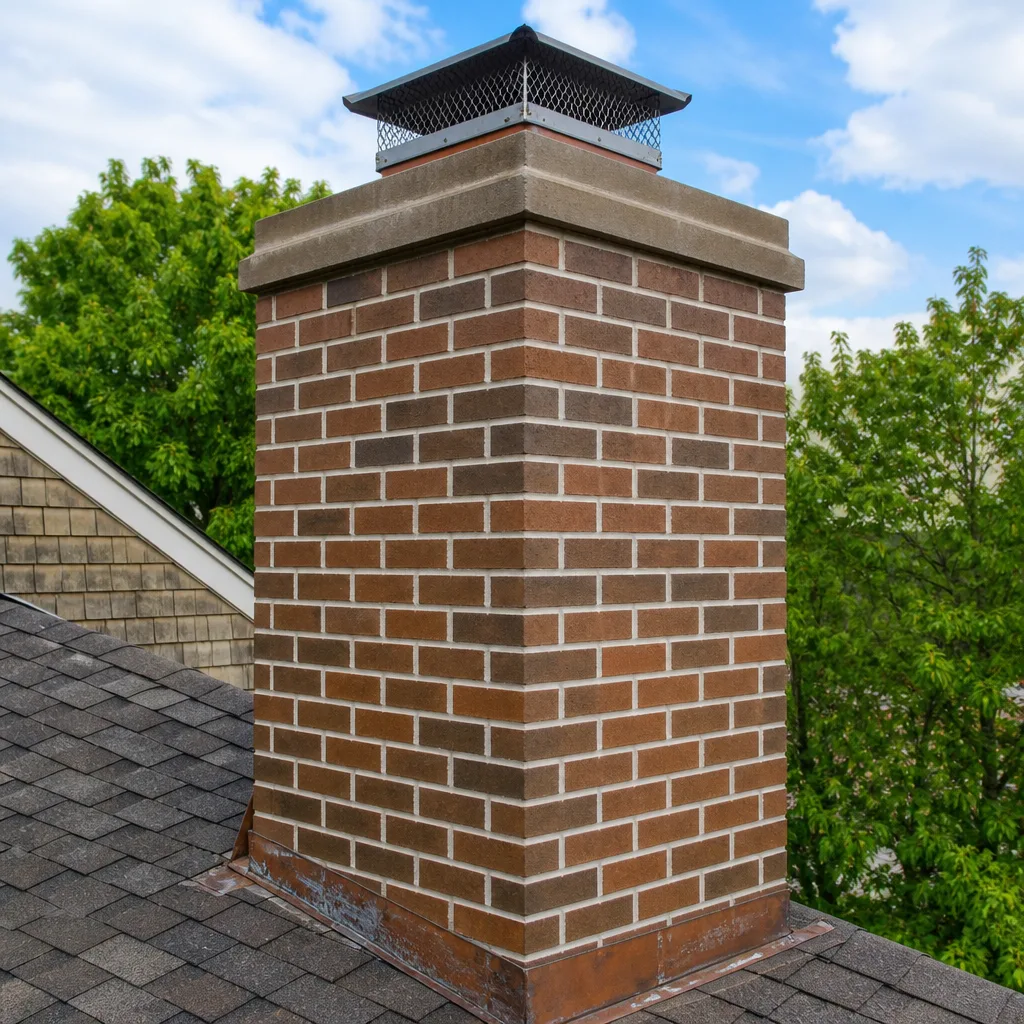 Masonry repair
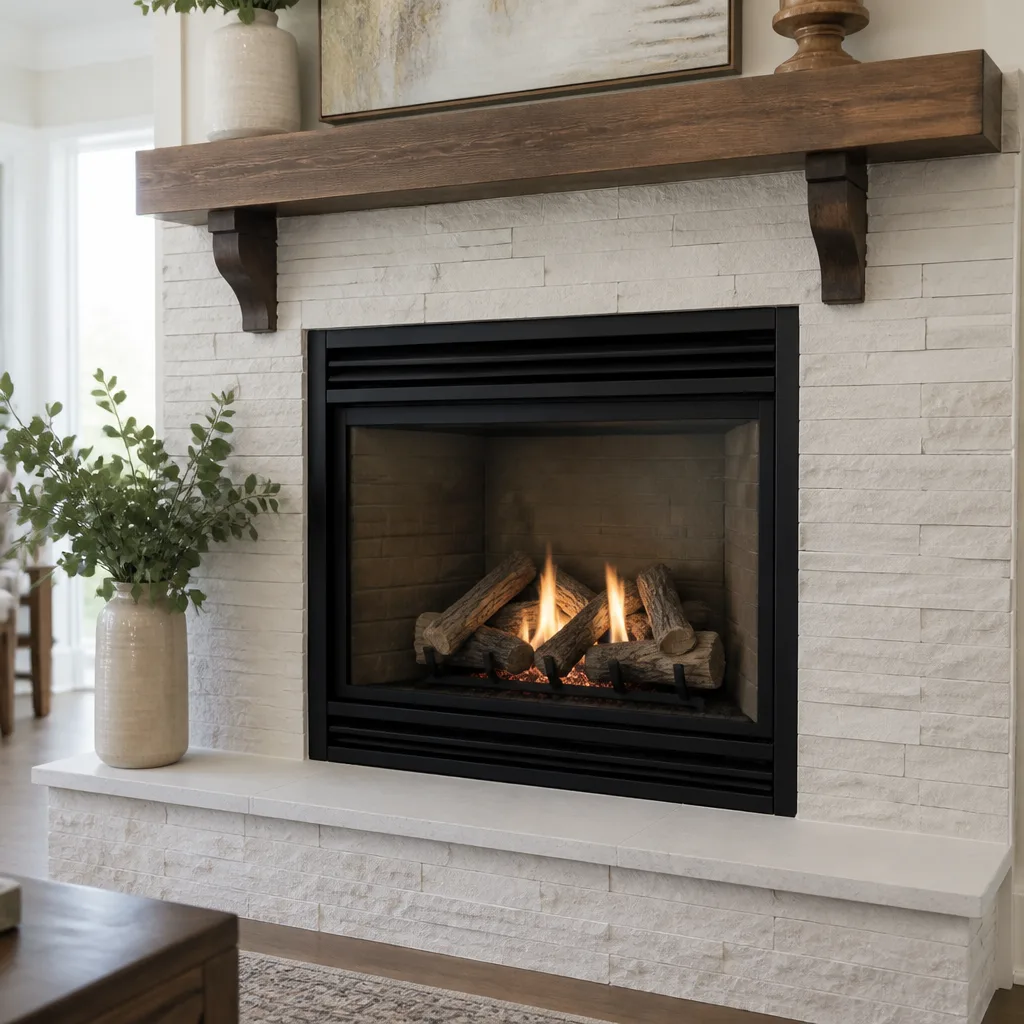 Gas fireplace service
Level 1 sweep and inspection to the NFPA 211 annual standard - flue, crown, cap, and flashing checked and photographed
Chimney sweep logs do not sweep chimneys. They loosen some creosote - which then falls where a brush and vacuum still have to collect it.
Chimney Cleaning Emergency Preparedness Guide for Victorville Homes
Most Victorville homeowners think of chimney cleaning as a once-a-year maintenance task. That mindset gets dangerous when the Santa Anas start blowing through the Cajon Pass. A chimney system with creosote buildup, a cracked crown, or a missing spark arrestor behaves very differently in 60 mph gusts than it does on a calm February evening. This guide covers what actually happens to chimneys in Victorville’s specific high-wind, high-fire-risk corridor, what to do before and during an emergency event, and where chimney cleaning fits into a preparedness plan that most Chimney Cleaning Warning Signs: A Victorville Homeowner’s Reference Guide never address.
Quick Answer
Victorville’s position in the High Desert, directly downwind of the Cajon Pass wind corridor, means chimney emergency preparedness here is not optional. A chimney emergency in Victorville typically means one of three things: wind-driven fire risk from accumulated creosote, smoke infiltration during nearby wildfires, or structural damage after one of San Bernardino County’s frequent seismic events. The single most effective preparedness action is a professional chimney cleaning—see our Chimney Sweep Maintenance Checklist for Victorville Homeowners for timing—before fire season removes the fuel source that turns a high-wind event into a structure fire.
Styles & brands we work with
Table of Contents
- Why Victorville Wind Changes Chimney Risk
- Pre-Wind-Event Chimney Checklist
- What to Do When Wildfire Smoke Infiltrates Your Home
- Assessing Chimney Condition After a Seismic Event
- When to Call 911 vs. a Professional vs. Schedule an Inspection
- Dryer Vent Blockage and Emergency Fire Risk
- Why Materials Matter in Emergency Repairs
- A Victorville Chimney Preparedness Timeline
Why Victorville Wind Changes Chimney Risk
The High Desert doesn’t do mild wind. Victorville sits at the mouth of the Cajon Pass, one of Southern California’s most reliable wind corridors, where Santa Ana events routinely push gusts past 40 mph and occasionally past 70. For a chimney system, sustained wind at those speeds creates three specific hazards that most general chimney advice never addresses.
First, wind changes the draft dynamics inside your flue. A strong gust across the chimney cap creates negative pressure that can pull embers from a low fire up the flue, or reverse draft and push smoke back into the living space. If your chimney hasn’t been swept and creosote has built up in the flue, those embers have a fuel source waiting. We’ve seen fireboxes in Victorville neighborhoods like Spring Valley Lake and Eagle Ranch that looked fine from the hearth but held a quarter-inch of glazed creosote higher up, exactly where wind-driven embers would reach.
Second, high wind finds loose components. A chimney cap held by a single rusted screw, a spark arrestor with one detached corner, a flue tile with hairline cracks: these failures happen quietly and then become urgent the first week the wind really blows. A loose cap slamming against the crown during a wind event doesn’t just make noise. It chips the crown, opens mortar joints, and creates an entry point for rain later in the season.
Third, Victorville’s wind carries sand and fine particulates that accumulate in the flue and on the smoke shelf. That grit mixes with creosote to form a dense, sticky deposit that’s harder to remove than creosote alone and more likely to restrict airflow. This is why Victorville chimneys often need sweeping more attentively than coastal homes, even with identical fireplace usage.
The takeaway: wind is not a secondary factor in chimney safety here. It’s the primary reason a chimney that passes a quick visual check in December can become a hazard by October.
Pre-Wind-Event Chimney Checklist
When a Santa Ana wind event is in the forecast, Victorville homeowners have a narrow window to act. Most people wait until the wind is already blowing to think about the chimney. By then, it’s often too late to fix anything safely. Here’s the checklist we walk through with homeowners.
If You Can Check Things Yourself
- Look at the cap from the ground. Use binoculars if you have them. Is it seated level? Can you see daylight between the cap and the crown? A tilted cap is an emergency waiting for the next gust.
- Run a visual check of the exterior masonry. Walk around the house and look for cracked brick, missing mortar, or a leaning chimney stack. Wind exploits every one of these.
- Confirm the damper closes fully. Open and close it. If it binds or doesn’t seal, that’s your smoke-infiltration path during a wind reversal, and your heat-loss path every winter night.
- Remove anything combustible from the hearth area. Firewood stacked inside the house, newspaper, kindling, decorative dried arrangements. If an ember escapes the firebox, these are what it lights first.
- Check the smoke detectors and carbon monoxide detectors. This is not chimney-specific, but a wind-driven draft reversal can pull carbon monoxide into the house. The alarm is your only defense if that happens while you sleep.
What Needs a Professional Eye
- Creosote level in the flue. You can’t reliably see this from the firebox. A professional sweep can tell you in minutes whether you have a safe fuel load or a fire hazard.
- Flue liner integrity. Cracked clay tiles or a deteriorated liner means wind can find gaps and push smoke into the wall cavity, not the living space. That’s worse, because you won’t smell it until the damage is extensive.
- Cap and spark arrestor function. These need to be physically secure and free of blockage. A professional inspection catches what binoculars miss.
- Chase top and flashing condition. For factory-built fireplaces, these are the wind-vulnerable points. If the flashing lifts, water and embers both get where they don’t belong.
If you find anything that concerns you, the time to call is before the wind arrives, not during it. Our Chimney Sweep in Victorville service includes a full inspection with every cleaning, so the sweep isn’t just about creosote removal. It’s about finding wind-vulnerable points before the weather does.
What to Do When Wildfire Smoke Infiltrates Your Home
When a wildfire is burning within a few miles of Victorville, the smoke you’re dealing with is not a fireplace smell. It’s an outdoor air quality event, and your chimney becomes a potential intake vent. Here’s the protocol.
Close the damper immediately. This is the single most effective action. An open damper is a direct pipe from the smoke outside to your living room. Close it and keep it closed for the duration of the event.
Do not start a fire. It sounds obvious, but during a regional smoke event, some homeowners think lighting a fire will “push back” against incoming smoke or keep the chimney warm enough to maintain upward draft. It won’t. It uses the same oxygen you’re trying to keep clean and adds combustion byproducts to air that’s already dangerous.
Check for smoke entry points that aren’t the damper. If you’re still smelling smoke with the damper fully closed, the smoke is finding another path: a cracked flue liner, failed mortar joints in the smoke chamber, a deteriorated chase top, or gaps around the fireplace surround. This is not normal chimney function. It means the system has a breach.
Run the HVAC fan with a fresh filter, if you have central air. This doesn’t make the problem go away, but it filters some particulates while you assess. Don’t run the system if its intake is pulling smoky air; close fresh-air intakes during the worst of the event.
When to call: if you smell smoke indoors with the damper closed and you can’t identify the source, that’s a professional same-day service call, not a scheduled inspection. A breach that admits wildfire smoke is also admitting embers during the same wind event that’s driving the fire. In our experience serving Victorville homes, smoke intrusion with a closed damper is one of the most common findings that turns into a Chimney Repair in Victorville recommendation, because the underlying cause is almost always structural.
Assessing Chimney Condition After a Seismic Event
San Bernardino County is seismic country. Victorville sits close enough to the San Andreas and several secondary fault systems that minor earthquakes are routine and moderate ones are to be expected. Any chimney system that’s been through a 4.0 or stronger event needs assessment, and here’s what to look for.
Obvious structural shift. After the ground stops moving, go outside and look at your chimney. Is it still vertical? A lean, even a slight one, is a structural emergency. Do not use the fireplace until a professional assesses it.
New cracks in brick or mortar. Some cracks are cosmetic; some go through to the flue. You can’t tell from the ground. If you see fresh cracking, especially diagonal cracking, treat it as a possible flue breach.
Debris in the firebox or on the smoke shelf. After an earthquake, small pieces of mortar, flue tile, or brick can dislodge and fall into the firebox. If you see debris that wasn’t there before, the chimney moved.
Misaligned flue tiles, visible from the top. If you’re comfortable on a ladder and the chimney is accessible, a quick look down the flue with a flashlight can reveal offset tiles. If you’re not comfortable, don’t get on the roof after an earthquake. That’s a professional inspection call.
Seismic straps and bracing. For masonry chimneys, check that any seismic strapping hasn’t pulled loose. For factory-built systems, the chase and support structure should be secure.
Earthquake damage often goes unseen in Victorville because the events are frequent enough that homeowners normalize them. But a 4.0 quake can crack a flue liner just enough to create a carbon monoxide path, and that crack stays until it’s found. Seismic events are one of the scenarios where we recommend an inspection even if you see nothing wrong, particularly for homes built before 1990.
When to Call 911 vs. a Professional vs. Schedule an Inspection
One of the most useful distinctions for Victorville homeowners is knowing which situation belongs in which category. Emergency response, same-day professional service, and scheduled maintenance are three different things, and confusing them can waste critical time or, on the other end, overreact to something routine.
Call 911 Immediately If:
- You see flames or glowing embers anywhere in the chimney chase, attic, or wall adjacent to the chimney.
- You hear a roaring sound from the chimney that’s inconsistent with the fire in the firebox, which indicates a chimney fire already in progress.
- Smoke is pouring into the living space in volume, not just a light smell.
- You see or smell fire in the wall cavity around the chimney, not in the firebox itself.
Call a Professional for Same-Day Service If:
- You smell smoke with the damper closed during a wind or wildfire event.
- A chimney cap or spark arrestor has visibly detached or is hanging.
- An earthquake produced visible cracks or debris in the firebox.
- You have a water leak that started during or after a wind-driven rain event, coming from the chimney chase or ceiling around the chimney.
Schedule a Standard Inspection If:
- You haven’t swept the chimney in a year or more and plan to use the fireplace this season.
- The last wind event was strong and you’re not sure the cap is still seated, but you don’t see active damage.
- You’ve noticed a smell that comes and goes, but isn’t associated with wind or smoke events.
- You bought a home and don’t know the chimney’s service history.
Confusing categories causes mistakes. If you’re anywhere in the first category, don’t call a chimney service first. Call the fire department, then call us after the emergency is resolved to assess and repair. If you’re in the second category, call us at (866) 253-5031 and we’ll help you determine urgency. If you’re in the third, book the appointment online and we’ll get to it on the schedule.
Dryer Vent Blockage and Emergency Fire Risk
Chimney preparedness and dryer vent safety are normally treated as separate topics. In Victorville, they belong together. Both are fire-safety systems that fail slowly, silently, and then become emergencies. The same wind that tests your chimney also pushes lint and debris into exterior dryer vent hoods, and the same dry air that makes your chimney creosote brittle makes dryer lint more combustible.
A blocked dryer vent is the leading cause of residential dryer fires in the United States, and in the High Desert’s low-humidity environment, lint dries out to tinder quickly once it accumulates. The emergency scenario looks like this: the dryer runs hot because airflow is restricted, the heating element cycles excessively, and the accumulated lint in the vent or the hood reaches ignition temperature. That fire spreads into the wall or attic in minutes.
The emergency-preparedness overlap is real. If you’re preparing your home for fire season, the chimney is the more obvious hazard, but a dryer vent that hasn’t been cleaned in three or more years is arguably more likely to be the ignition source. We recommend the same seasonal discipline for both: an annual chimney sweep and an annual Dryer Vent Cleaning in Victorville, scheduled together so two fire risks are addressed in one visit.
In our experience, the homes in Victorville that call us for chimney cleaning in October have not thought about their dryer vent in years, and the homes that call about dryer vent cleaning after a scare often have a chimney that hasn’t been swept either. Both systems serve the same purpose: moving heat and particulates out of your home safely. Both fail the same way: slow buildup that becomes sudden fire risk.
Why Materials Matter in Emergency Repairs
When an emergency reveals that your chimney needs repair, the materials used determine whether the fix is permanent or a placeholder. This is where the difference between professional-grade components and hardware-store patch kits becomes significant.
For flue liner damage, which we see frequently after seismic events in the Victorville area, there are two legitimate professional options: full liner replacement or HeatShield resurfacing. HeatShield is a ceramic-based resurfacing system that restores the flue’s structural and thermal integrity without removing the old liner, and it’s one of the more technically advanced options available in the Victorville market. It’s not something you buy off a shelf. It’s installed by trained technicians and is one of the things that separates a full-service chimney company from a sweep-only outfit.
For cap replacements and spark arrestor repairs, we use parts sourced from professional-trade brands like Gelco, Famco, Olympia Chimney, and Copperfield. These are the same components professional chimney technicians across the country rely on. The difference matters in Victorville specifically because of the wind. A cheap cap from a big-box store will fail in the first strong Santa Ana event. A properly sized, professionally installed cap will last years and do the job: keeping embers in, keeping spark paths closed, and keeping wildlife out.
For chimney crowns, the materials also matter. A crown patched with basic mortar will crack in the first freeze-thaw cycle of the high desert winter. A crown rebuilt with the right formulation handles Victorville’s full temperature swing, which can exceed 40 degrees in a day.
The point here is that emergency repairs after a wind, fire, or seismic event shouldn’t be done with the cheapest available fix. In this climate, with this wind, with these temperature swings, a patch is a delayed emergency.
A Victorville Chimney Preparedness Timeline
Preparedness that depends on remembering to do things rarely happens. Here’s a seasonal timeline that aligns chimney and dryer vent maintenance with Victorville’s actual weather patterns and fire seasons.
September to October: This is the Victorville chimney service window. The first strong Santa Ana events typically arrive in October, and fire season in the High Desert runs well into November some years. Schedule the annual chimney sweep before the wind really starts. It’s a safety action, not a maintenance formality, and you can find more guides & resources on our blog to stay prepared. If you have a dryer vent, schedule that cleaning at the same visit.
November to February: The fireplace is in active use. Once a month, visually check the firebox for unusual debris, unusual smells, or smoke that lingers in the living space after the fire is out. These are early warning signs of something changing in the flue. After any earthquake in the 4.0+ range, do the assessment described above.
March to May: After the burning season ends, assess whether the chimney crown, cap, and flashing survived the winter and the wind season intact. This is also when Victorville gets its occasional wet weather, and a compromised crown will reveal itself as a leak. Schedule repairs before summer, when demand for chimney work drops and schedules open up.
June to August: The chimney is largely dormant, but the dryer vent isn’t. Summer is peak dryer season in the High Desert, with heavier laundry loads and more lint moving through the system. If you didn’t clean the dryer vent in the fall, this is the second window.
This timeline works because it respects how Victorville’s climate actually behaves. The wind, the fire season, the temperature swings, and the occasional rain all have their place in the year, and the chimney and dryer vent systems both respond to those patterns.
Common Mistakes to Avoid
- Assuming a visual check is enough to clear a chimney for fire season. What you can see from the firebox is maybe 15 percent of the system. Most fire hazards in Victorville chimneys sit higher in the flue, where only a professional inspection reaches.
- Waiting until the wind is already blowing to check the cap. Once a cap is loose in a Santa Ana event, the damage is done. The check has to happen before the gusts start, and in Victorville, those gusts are often forecast only a day or two out.
- Using hardware store patch kits on a cracked chimney crown. The high desert’s freeze-thaw cycles and UV exposure destroy these patches quickly, and a failed patch leaves the crown more vulnerable than before it was applied.
- Ignoring a dryer vent because the dryer still works. A blocked vent doesn’t stop the dryer from running. It just makes it run hotter and closer to ignition. Reduced airflow and longer dry times are the only visible warning signs, and homeowners frequently miss them.
- Treating smoke infiltration during a wildfire as something to tolerate. Smoke entering with the damper closed means the chimney has a breach, and a breach that lets in smoke lets in embers under the right conditions. This is not a “wait and see” situation.
- Assuming earthquake damage will be obvious. Cracks behind the flue liner, offset tiles, and split mortar joints are invisible from the ground. San Bernardino County’s frequent small quakes are exactly the kind that cause these hidden failures over time.
- Not knowing what a chimney fire sounds like. A chimney fire often sounds like a freight train or loud roaring coming from the chimney, not from the firebox. If you hear that sound, you don’t call a chimney company. You call 911, then assess after the fire department has cleared the scene.
See the difference
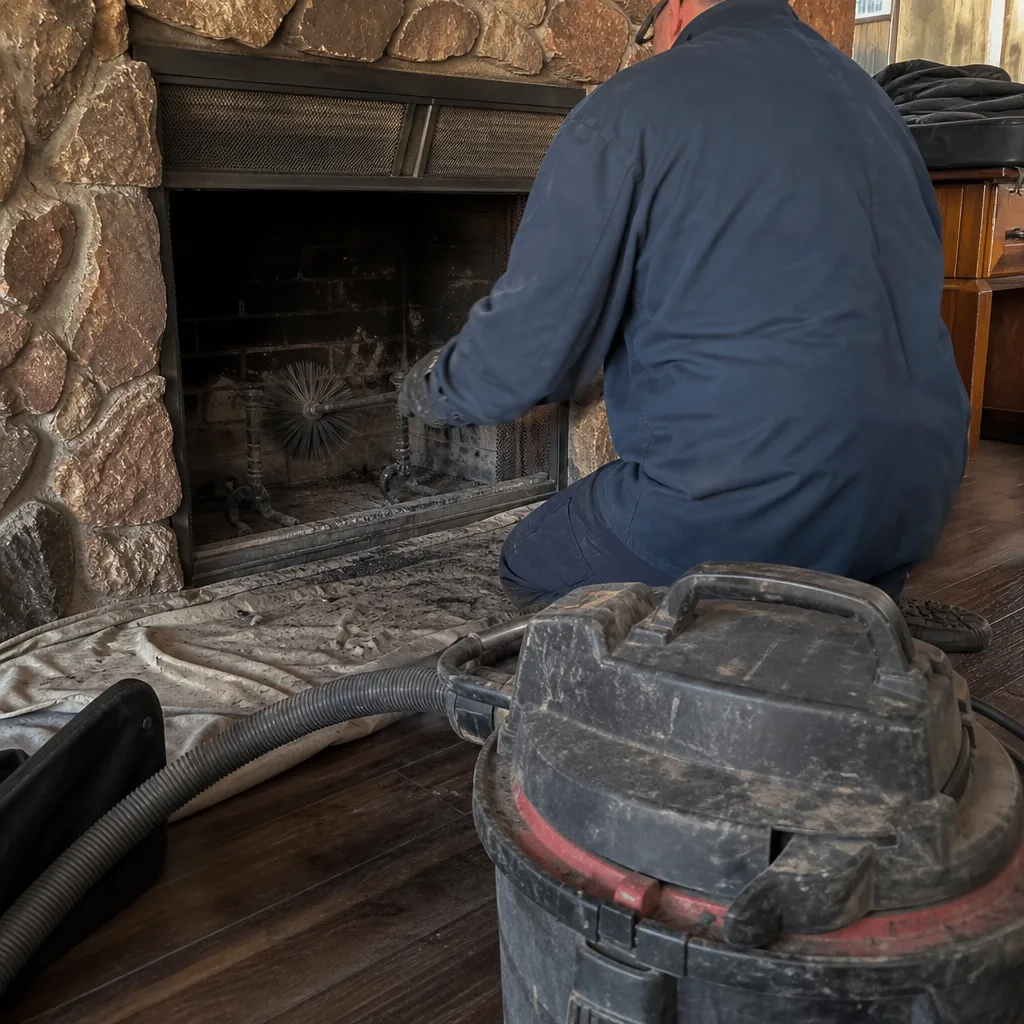 Before
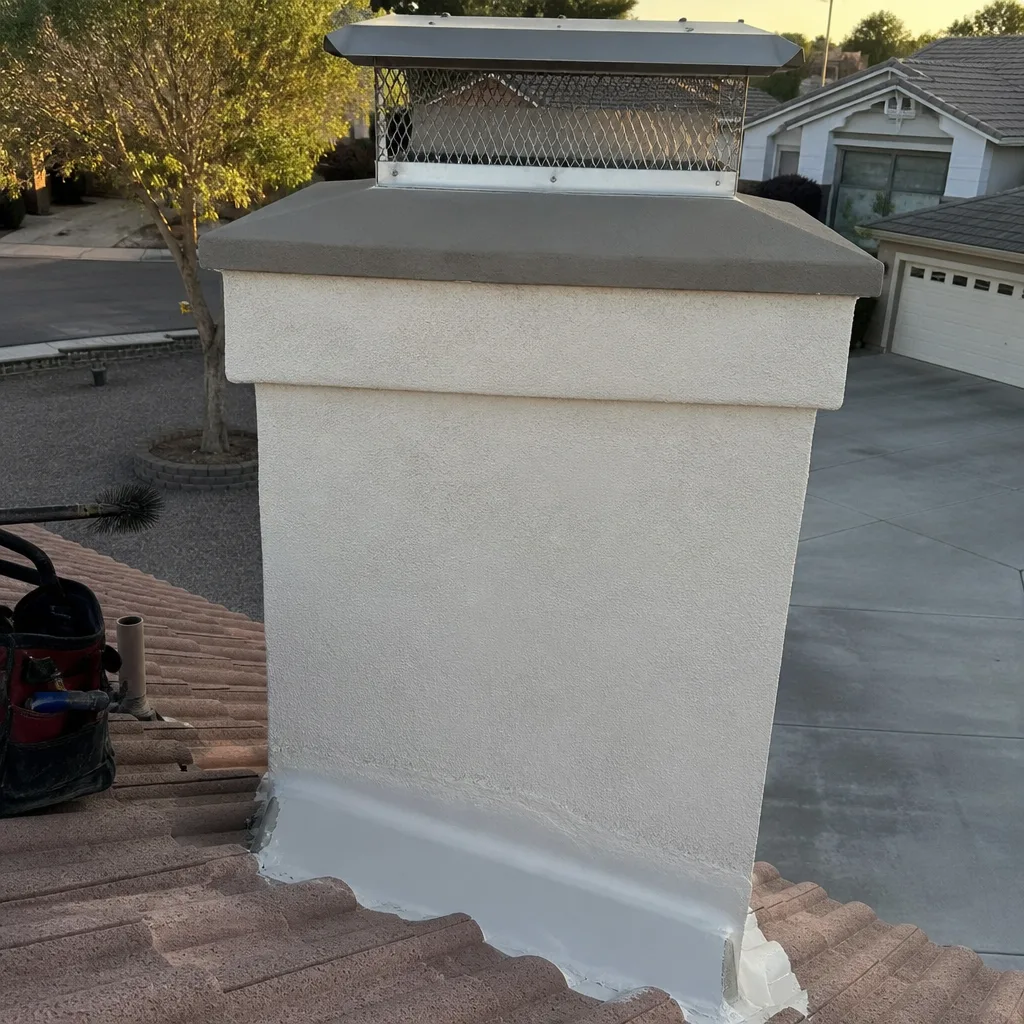 After
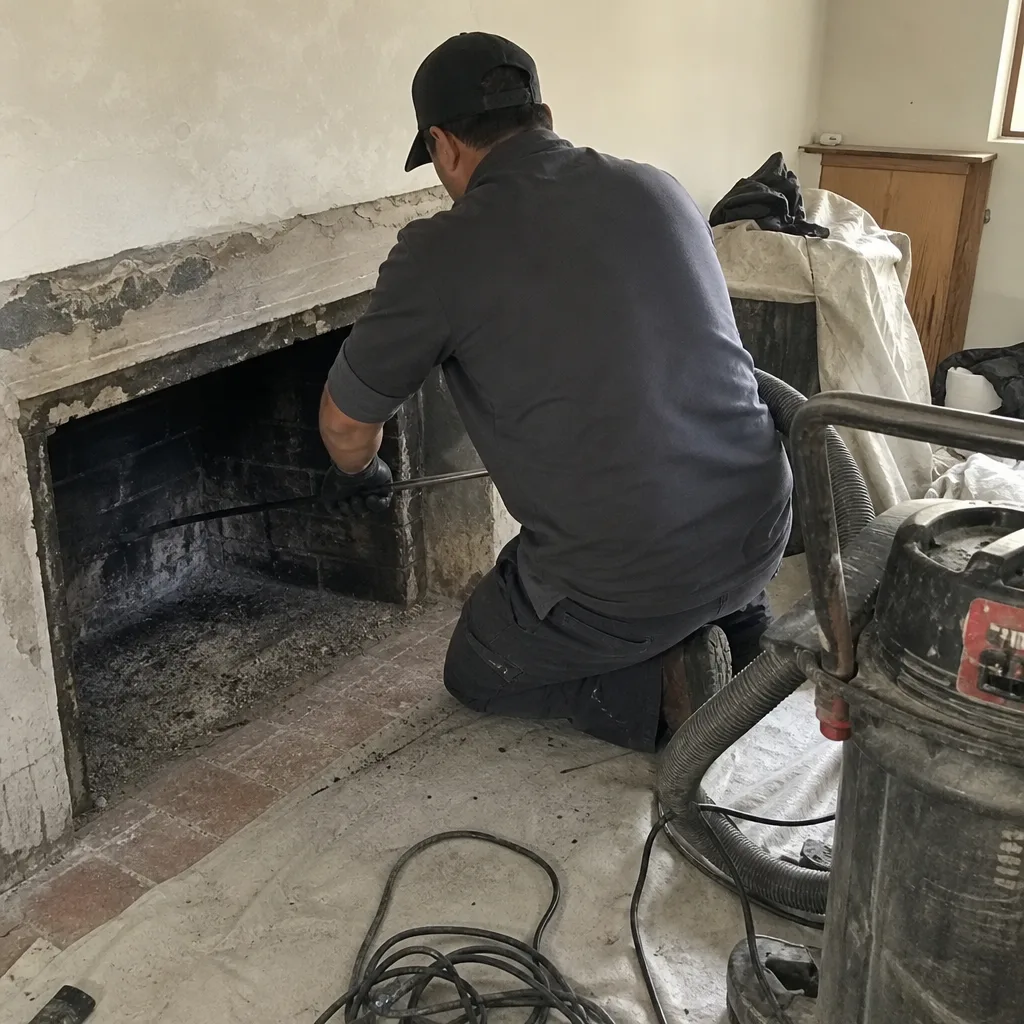 Before
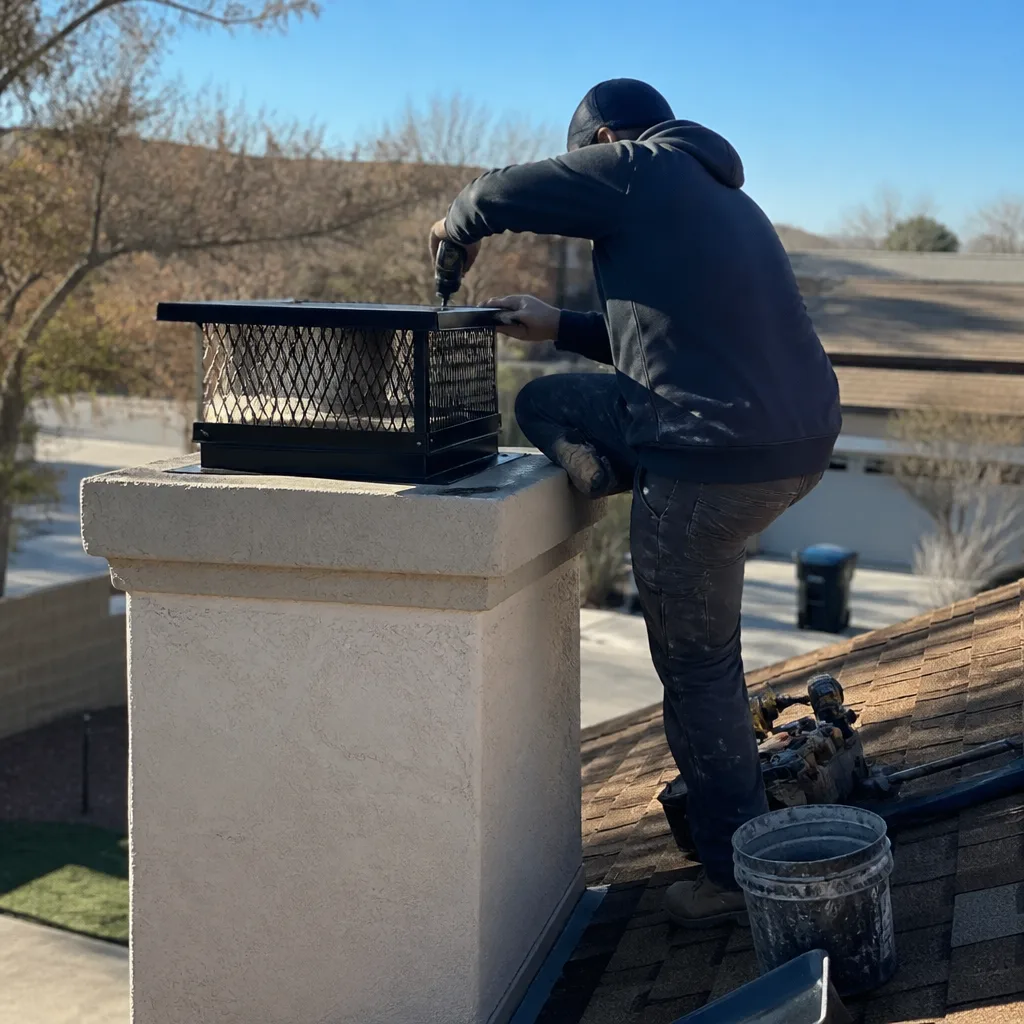 After
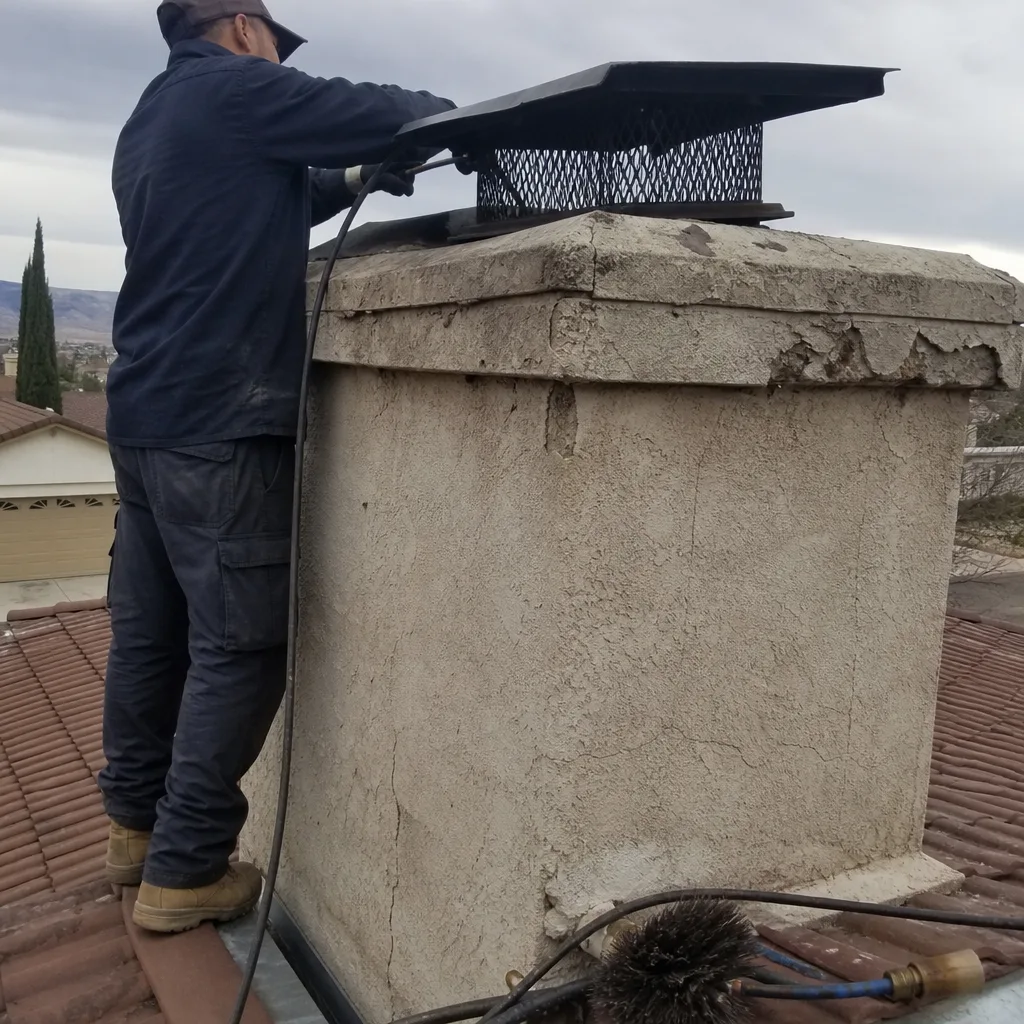 Before
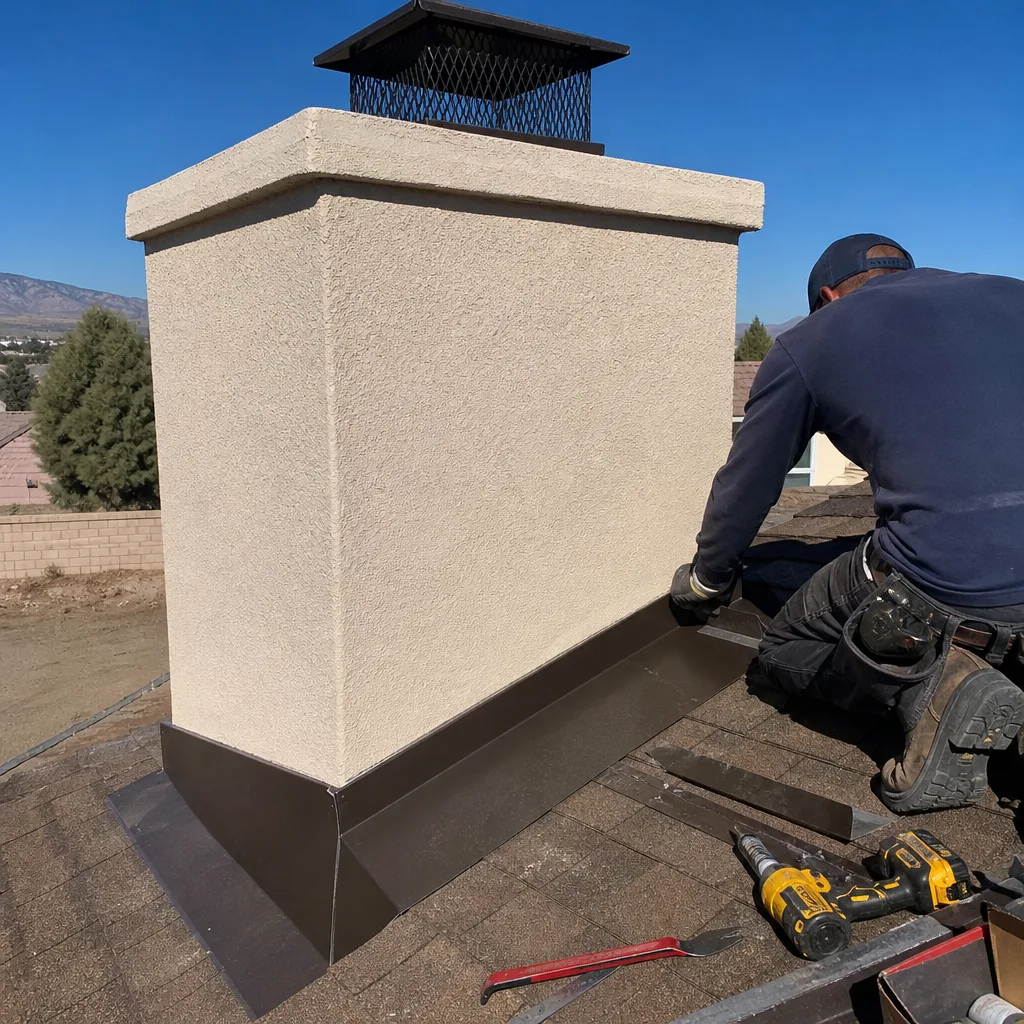 After
When to Call a Professional
Call a professional any time your chimney shows signs of compromise: smoke with the damper closed, visible cracks after wind or seismic events, a loose or missing cap, debris in the firebox that wasn’t there before, or the smell of smoke that doesn’t go away when the fire is out. Call after any strong wind event that you suspect may have damaged the cap or crown, and call before you use the fireplace for the first time each season if you haven’t had an inspection. Pilgrim Chimney home is the place to start. We serve all of Victorville and the surrounding High Desert, and we provide honest, straight-figured recommendations, including when a problem can safely wait.
Pilgrim Chimney offers free estimates in Victorville. Call (866) 253-5031 to schedule an inspection or sweep.
Frequently Asked Questions
A chimney in Victorville should be cleaned at least once per year, ideally in early fall before fire season. The High Desert’s wind-driven draft conditions and long burning season mean creosote accumulates at rates comparable to much colder climates, even with moderate fireplace use. If you burn more than three days a week during the season, consider a second sweep mid-winter. The annual sweep also serves as an inspection, so it’s not just about creosote removal. It’s about catching wind, seismic, and structural problems before they become emergencies. For details on local requirements, see Chimney Cleaning Permits, Codes & Inspections in CA: What You Need to Know. Call (866) 253-5031 to schedule the season’s sweep before the October wind events arrive.
A chimney fire typically sounds like a loud roaring or rumbling from the chimney, often compared to a freight train or a jet engine passing nearby. It’s distinctly different from the crackle of a normal fire in the firebox. Some chimney fires also produce visible flames shooting from the chimney top or dense smoke pouring out. If you hear or see these signs, call 911 immediately, evacuate the home, and contact a professional chimney service after the fire department clears the scene to assess the structural damage.
You should not use your fireplace during a Santa Ana wind event in Victorville, especially if your chimney cap or spark arrestor has not been professionally inspected this season. Sustained high winds disrupt normal draft patterns, and in a worst case, the negative pressure can reverse the draft and pull smoke and embers back into the living space. If the chimney has creosote buildup, wind-driven embers can reach the flue lining and ignite a chimney fire. Wait until the wind subsides, and if you haven’t had an inspection this year, schedule one before you burn again.
Use binoculars from the ground and look at the cap’s seating relative to the crown. A loose cap will appear tilted or shifted. Look for daylight between the cap and the crown, or visible movement during a light breeze. Listen during wind events. A loose cap makes a distinct metallic banging sound. If you see light, tilt, or hear movement, call for an inspection. Getting on a roof in Victorville’s high winds to check a cap yourself is extremely dangerous and unnecessary when a professional inspection can confirm it safely.
Yes. Lint accumulation in the dryer vent is the leading cause of residential dryer fires in the United States, and High Desert dryness makes the lint especially combustible. When airflow is restricted, the dryer’s heating element runs hotter and longer. Over time, accumulated lint reaches ignition temperature, and the resulting fire spreads through the wall or attic. Annual professional dryer vent cleaning removes the fuel source and restores proper airflow, reducing fire risk and improving dryer efficiency. It’s the same fire-safety logic as chimney sweeping, applied to a different system.
That means the smoke is entering through a breach in the chimney system, not through the open damper path. The likely culprits are a cracked flue liner, failed mortar joints in the smoke chamber, a deteriorated chase top, or gaps around the fireplace surround. Stay calm, keep the damper closed, and run the HVAC fan if the intake isn’t pulling smoky air. Then call a professional chimney company for a same-day assessment. The breach that’s letting in smoke is the same path embers could take during the wind event that’s driving the fire. This is not something to wait on.
The Bottom Line
Victorville’s chimney risks are specific. The wind through the Cajon Pass is the variable that turns routine chimney maintenance into emergency preparedness, and it’s the variable that most generic chimney advice fails to address. The essentials are simple: sweep the chimney before fire season, check the cap and crown after every major wind event, close the damper and assess when wildfire smoke infiltrates, inspect after seismic events even when nothing is visible, and treat the dryer vent as part of the same fire-safety system. The time to act is before the wind starts, not during it. And when an issue needs professional attention, you have home-grown help available.
Written by the team at Pilgrim Chimney, serving Victorville since 2014.