
Last updated October 30, 2026
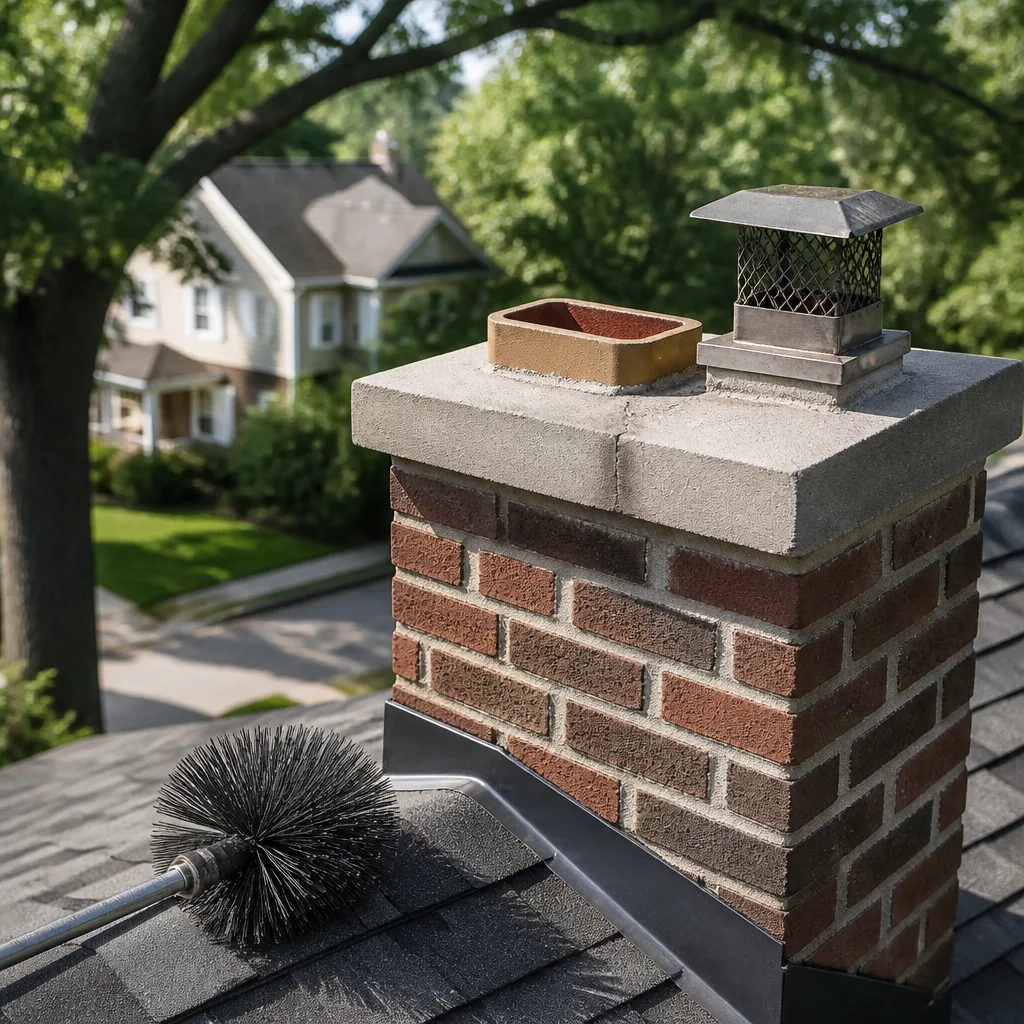 Sweep & inspection
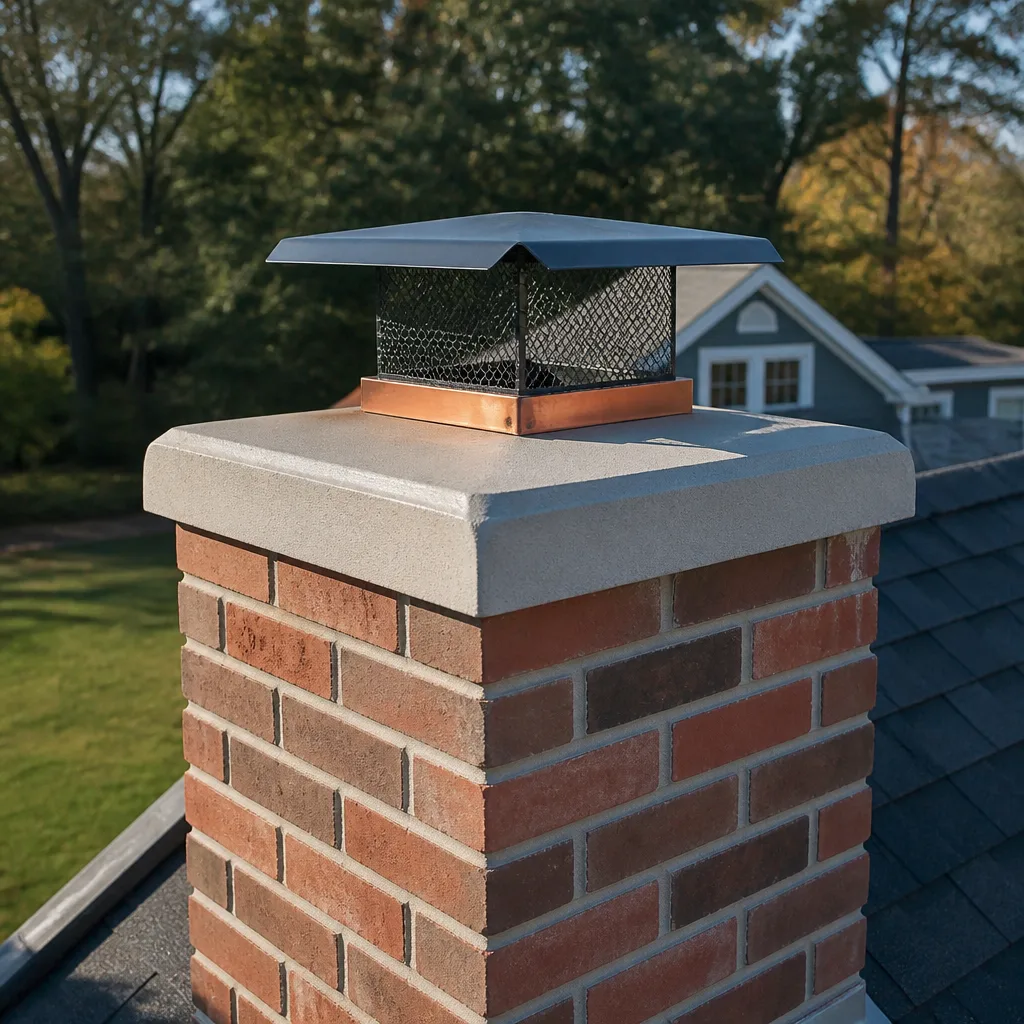 Caps & crowns
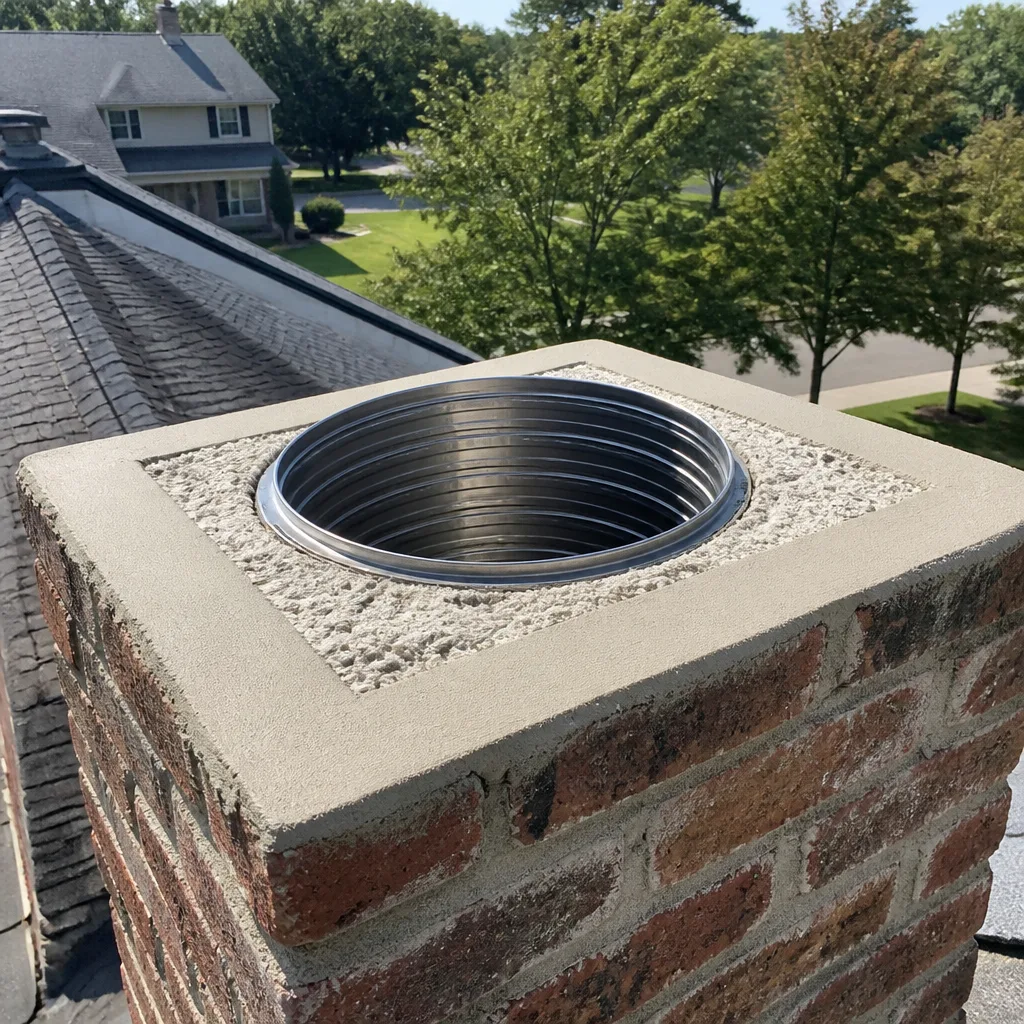 Flue relining
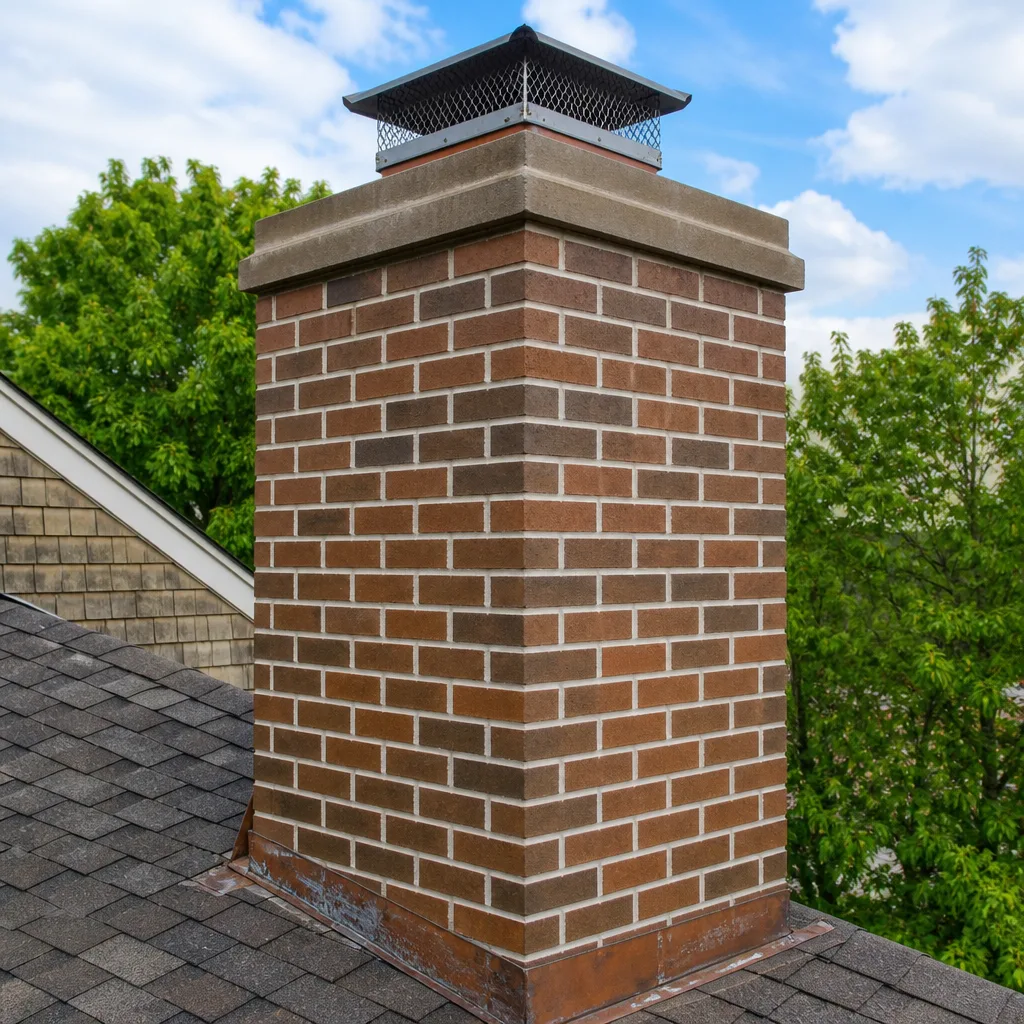 Masonry repair
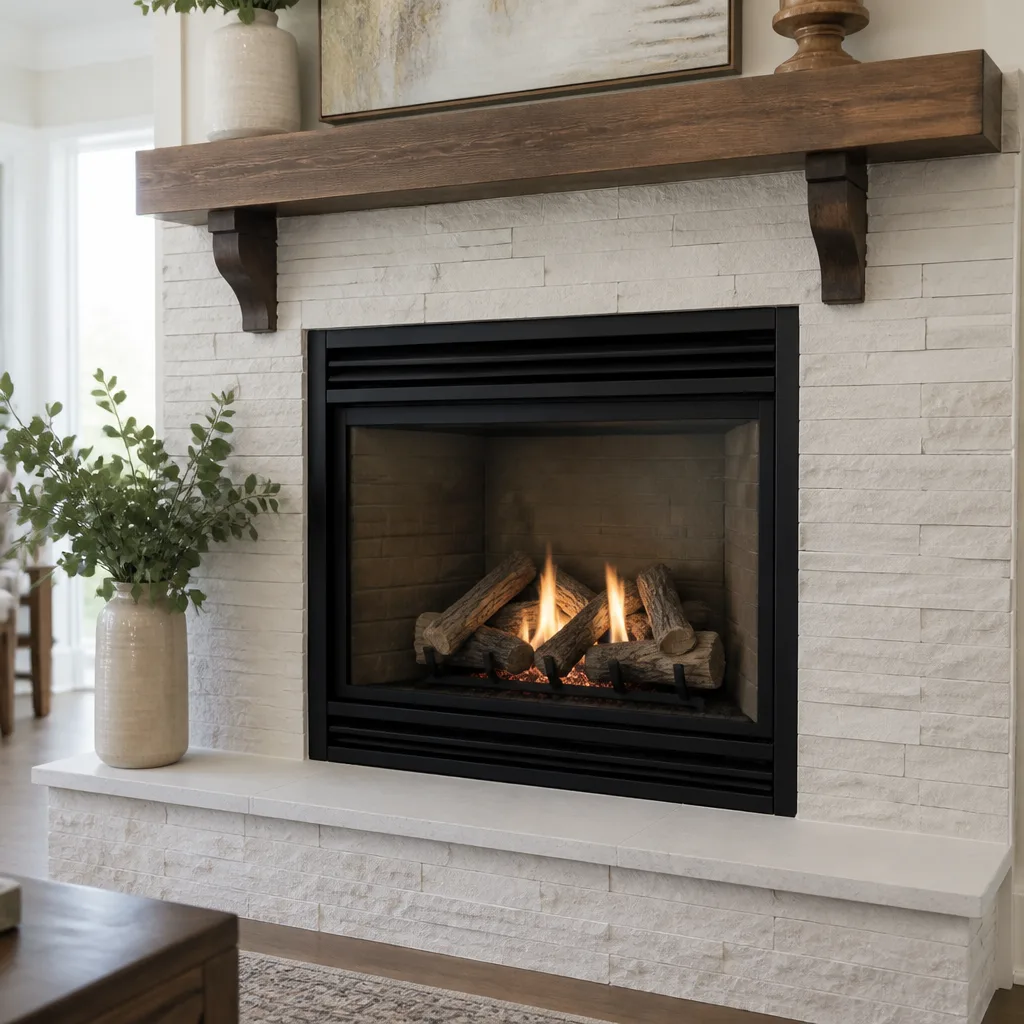 Gas fireplace service
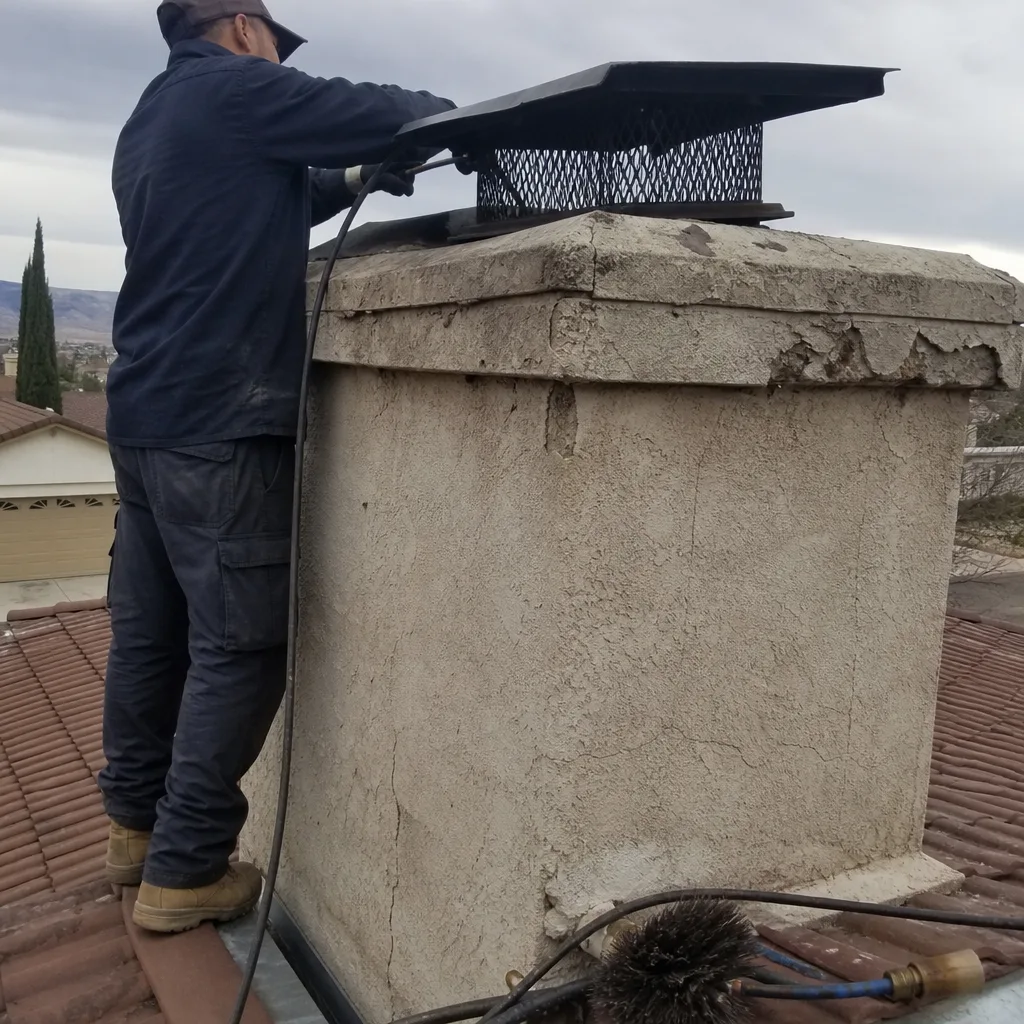
Level 1 sweep and inspection to the NFPA 211 annual standard - flue, crown, cap, and flashing checked and photographed
Chimney sweep logs do not sweep chimneys. They loosen some creosote - which then falls where a brush and vacuum still have to collect it.
Chimney Sweep Troubleshooting: Common Problems and How to Fix Them
Smoke rolling back into your living room isn’t always a dirty flue. Sometimes it’s a cold column of air sitting in the chimney, a damper that never fully opened, or negative house pressure created by a bathroom fan running in another room. Homeowners in Victorville call us every fall with the same handful of symptoms, and a surprising number of those calls could have been self-diagnosed in under ten minutes from the firebox floor. This guide teaches you to read what your fireplace is already telling you, and you can find more guides & resources on our site. You’ll learn the symptom-first diagnostic tree we use on service calls, how to tell a draft problem from a blockage, what creosote stages actually look like, and which checks are safe to do without climbing on the roof.
Quick Answer
Most chimney problems fall into four categories: draft failure (air won’t move up the flue), blockage (something is in the way), creosote accumulation (flammable buildup narrowing the passage), and moisture intrusion (water getting where it shouldn’t). You can identify which category you’re dealing with by observing smoke behavior, checking for visible staining, noting odors, and inspecting what’s accessible from the firebox. The fixes range from simple damper adjustments to professional-grade liner restoration, and the safe approach is to confirm what you can see, then call a Chimney Sweep for anything beyond the firebox floor.
Styles & brands we work with
Table of Contents
- Symptom-First Diagnostic Tree: What Your Fireplace Is Telling You
- Draft Problem vs. Blockage: How to Tell the Difference
- Creosote Stages 1 Through 3: What They Look Like and What You Can Do
- Why a Chimney That Worked Fine Last Year Fails This Season
- Safe Checks You Can Do From the Firebox Right Now
- When to Call a Professional
- Frequently Asked Questions
- The Bottom Line
Symptom-First Diagnostic Tree: What Your Fireplace Is Telling You
Every chimney problem announces itself with a symptom. The trick is matching the symptom to the right root cause instead of assuming every issue means “dirty chimney.” Here’s the diagnostic tree we walk through on service calls across Victorville, and it’s the same one you can use at home before picking up the phone. For a deeper dive, see The Complete Chimney Sweep Guide for Victorville Homeowners.
Symptom 1: Smoke rolls back into the room when you light a fire. This points to a draft failure, not necessarily a dirty flue. The most common culprit is a cold chimney. Masonry chimneys in the High Desert cool down dramatically overnight, and that cold air column sits in the flue like a plug. When you light a fire, warm air hits cold air and stalls. The fix is often as simple as priming the flue: hold a lit piece of newspaper up near the open damper for 30 to 60 seconds before lighting the main fire. If smoke still rolls back after priming, you may have negative house pressure. A running bathroom fan, range hood, or even a furnace pulling combustion air can compete with the fireplace for oxygen. Turn off competing exhaust sources and crack a window near the fireplace to test.
Symptom 2: A persistent campfire smell in the room, even when there’s no fire. This is usually downdraft pushing chimney odors into the house, and it gets worse in Victorville’s summer heat when temperature inversions trap air near the ground. Check the damper first. If it’s fully closed and the smell persists, you may have a damper that doesn’t seal properly or creosote buildup that’s off-gassing. Odor on humid days points to moisture mixing with creosote inside the flue, a combination that produces a sharp, acrid smell.
Symptom 3: The fire burns but doesn’t put out much heat, and you notice black staining on the fireplace face or mantel. Staining above the firebox opening means smoke is escaping around the edges of the damper frame or through cracks in the firebox’s refractory panels. This is a visible air leak. The fire is losing its draw at the firebox level, not the flue level. Check for cracked refractory panels and gaps between the firebox and the damper throat.
Symptom 4: You hear flaking or debris falling inside the chimney when it’s windy. This is a spalling or failing liner symptom. Pieces of flue tile or deteriorated mortar are breaking loose. This requires professional inspection because a compromised flue passage can allow heat and combustion gases into the chimney structure itself. In Vicrtorville’s freeze-thaw cycles, masonry chimneys take a beating, and spalling accelerates after a wet winter.
Draft Problem vs. Blockage: How to Tell the Difference
Draft problems and blockages produce different behaviors at the firebox, and learning to distinguish them saves you from paying a service fee to confirm something you could have ruled out yourself. Here’s the practical difference.
A draft problem moves air slowly. When you light a small piece of paper and hold it inside the firebox near the open damper, the smoke may drift lazily upward, curl back, or hesitate before going up. The flue isn’t fully clogged; it’s just not pulling. The air path is open, but something is slowing it: cold air in the flue, negative house pressure, a damper not fully opened, or a flue that’s undersized for the opening it serves. Homes in Victorville built in the 1970s and 1980s often have factory-built fireplaces paired with flues rated for the original appliance. If a previous owner installed different glass doors or altered the firebox opening, the draft ratio changes and performance suffers.
A blockage stops air entirely. When you hold lit paper in the firebox, smoke has nowhere to go. It curls back into the room immediately. No hesitation, no slow drift. Nothing moves up. Common blockages in our service area include bird nests (starlings and sparrows like uncapped flues), squirrel debris, fallen brick or mortar from the chimney crown, and stage 3 creosote that has hardened and narrowed the flue passage to a few inches. A blockage won’t improve with priming or window-cracking. It’s a physical obstruction that needs removal.
The quick test: light a single sheet of newspaper, hold it at the damper opening, and watch where the smoke goes. Drifting smoke means draft adjustment. Smoke pouring back means blockage. If you suspect a blockage, don’t keep trying to burn through it. You’re feeding heat into a restricted passage, and that’s how chimney fires start.
Creosote Stages 1 Through 3: What They Look Like and What You Can Do
Creosote is the unavoidable byproduct of burning wood, and it accumulates in three distinct stages. Knowing which stage you’re looking at tells you whether you can brush it yourself or need professional removal. Here’s what each stage looks like and why it matters.
Stage 1: Flaky soot, light dusting. Stage 1 creosote is mostly dry, powdery soot that brushes off easily. It’s dull black or dark gray, and it’ll leave a smudge on your finger if you touch it. If you can reach an accessible section of flue from the firebox with a handheld mirror and flashlight, stage 1 looks like a dusty coating. This is the only stage that a homeowner with a proper chimney brush can reasonably tackle, and even then, you’re brushing without a full visual inspection of the upper flue sections. Most homeowners in Victorville with a single-story chimney could manage a stage 1 clean if they’re comfortable working from the roof. If you’re shopping for equipment, our post on Choosing the Right Chimney Cleaning Brand: A Buyer’s Guide for Victorville can help. If you’re not comfortable on a roof, don’t climb one. The work isn’t worth the fall risk.
Stage 2: Bumpy, tar-like glaze. Stage 2 forms when creosote condenses as a sticky, brownish-black compound that adheres to the flue walls. It looks like coffee grounds mixed with tar, and it resists brushing. A standard wire brush won’t fully remove it. Professional sweeps use rotary cleaning heads with stiffer bristles and sometimes chemical treatments to break down stage 2 deposits. In Victorville’s dry climate, stage 2 doesn’t usually appear after one season of moderate burning. It builds when fires are burned low and slow, which produces more smoke and more condensation inside the flue.
Stage 3: Hardened, shiny glaze. Stage 3 is a thick, glassy coating that looks like black enamel. It’s highly concentrated fuel, and a chimney fire burning stage 3 creosote burns incredibly hot, often exceeding 1,800 degrees Fahrenheit. Flue tiles crack at those temperatures. Stage 3 cannot be brushed away with anything you’d buy at a hardware store. It requires professional rotary removal, and depending on the liner’s condition afterward, it may require a liner restoration. Some chimneys we see in Victorville have stage 3 buildup inside flues that also show cracked flue tiles from previous chimney fires. In those cases, a brush alone isn’t enough. The liner itself needs attention, and that’s where a resurfacing system like HeatShield makes the difference between a safe chimney and one that’s still a hidden fire risk even after cleaning.
The takeaway: stage 1 is manageable, stage 2 needs professional equipment, stage 3 needs professional removal and possibly liner repair. If you’re unsure which stage you’re looking at, take a photo with your phone from the firebox and send it to a professional for an honest assessment before you spend money on brushes or sprays.
Why a Chimney That Worked Fine Last Year Fails This Season
This is one of the most common calls we get in Victorville: a homeowner who burned all last winter without a problem, then lights the first fire of the new season and the living room fills with smoke. Nothing changed, they say. But something always changed. Here’s what usually happened.
First, the chimney exterior deteriorated over the summer. Victorville’s summer heat expands masonry materials, and winter nights contract them. Over a season, that thermal cycling opens hairline cracks in the chimney crown. Water from the occasional rainstorm finds those cracks, soaks into the brick and mortar, and weakens the structure from the inside. A compromised crown lets water run down the flue passage itself, which saturages creosote and bonds it harder to the flue walls. Your chimney didn’t just sit idle all summer. It was slowly degrading.
Second, animals moved in. Birds build nests in uncapped flues during spring, and those nests remain through summer and into fall. Squirrels and raccoons drop debris. Even if a nest doesn’t fully block the flue, it narrows the passage enough to change the draft. The first fire of the season hits that restriction and smoke rolls back. A chimney cap certified for the flue size is the permanent fix, and it’s one of the best returns on investment for any homeowner burning wood.
Third, the firewood changed. If you bought wood from a new source and it’s greener than last year’s supply, you’re burning wetter fuel. Wet wood produces more smoke at lower temperatures, and that smoke condenses more rapidly as creosote inside the flue. A chimney that stayed clear through a season of burning dry wood can clog significantly in just a few months of burning green wood. In Victorville, we see this pattern often with homeowners who bought “seasoned” wood that wasn’t actually seasoned. Proper firewood should have a moisture content below 20 percent and should check (show cracks) at the ends.
Fourth, the damper cable or handle was damaged by someone cleaning the fireplace over the summer. If the damper only opens halfway, the flue passage is restricted at the throat, and smoke heads into the room instead of the chimney. Always confirm the damper opens fully before every season’s first fire.
Safe Checks You Can Do From the Firebox Right Now
You don’t need to climb on the roof to do a meaningful chimney inspection. A surprising amount of diagnostic work happens right from the firebox floor, and these are the checks we’d recommend any Victorville homeowner do before calling for service. None of these involve going onto the roof, and all of them help you arrive at that phone call already knowing what’s wrong.
- Open the damper fully and visually confirm it’s open. Look up past the damper throat with a flashlight. You should see a clear rectangular or round passage. If the damper plate is partially closed, open it completely and test the draw again.
- Look up the flue with a bright flashlight from inside the firebox. You won’t see the entire flue length, but you may spot an obvious obstruction within the first few feet. Look for nesting material, fallen debris, or heavy black buildup that narrows the passage.
- Shine the light at the firebox walls and floor. Look for cracked refractory panels, missing mortar joints, or gaps around the metal frame of factory-built fireplaces. Any opening in the firebox facing allows air to leak into the chimney chase instead of rising up the flue.
- Check the damper seal. Run your hand around the closed damper frame (when the fireplace is cold). Any gaps mean chimney air can drift back into the house during the off-season. A damper that doesn’t seal is a common source of the campfire-smell complaints we hear in Victorville.
- Light a single sheet of newspaper and hold it at the damper opening. Watch the smoke. It should move upward and out of sight within a second or two. If it lingers or rolls back, you have a draft problem. If it pours back immediately, you have a blockage.
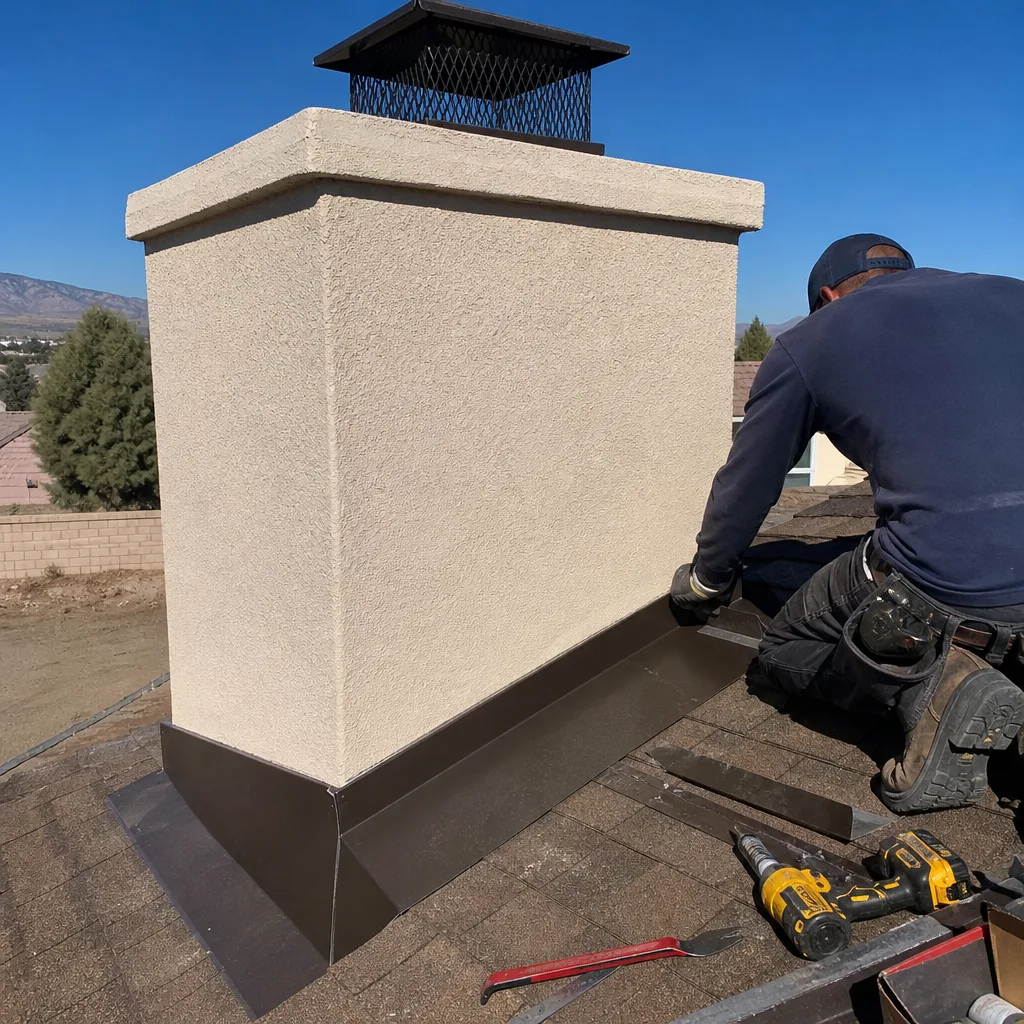
- Look at the exterior of the chimney from the ground level. Check for visible cracks in the crown, missing bricks, staining on the chimney face, or a missing chimney cap. You don’t need a ladder for this, and it tells you a lot about the chimney’s overall condition.
These six checks take about ten minutes. They won’t replace a professional inspection, because a sweep can see the full length of the flue and document hidden damage with a camera. But they’ll tell you whether you’re dealing with a quick fix or a real problem. And when you do call a company like Pilgrim Chimney, you’ll be able to describe exactly what you saw.
When to Call a Professional
Some chimney problems are obvious from the firebox floor and others require a trained eye with professional inspection equipment. Call a sweep when you see stage 2 or stage 3 creosote buildup, when you suspect a blockage you can’t clearly see or reach, when there’s visible water staining on ceilings or walls near the chimney, when you notice cracked flue tiles or spalling masonry, or when smoke backs up even after priming the flue and opening a window. If anything about your chimney causes you to hesitate, that hesitation is worth a phone call. A professional sweep can run a camera down the flue and show you exactly what’s happening inside, which means you’re never guessing about a repair. In Victorville, chimney sweep service in the High Desert is similar to the rest of Southern California in price, but the condition issues are different due to our heat, wind, and occasional heavy rain. A thorough inspection tells you whether your chimney just needs a cleaning or something more involved. Pilgrim Chimney offers free estimates in Victorville. Call (866) 253-5031 to schedule.
Frequently Asked Questions
A standard chimney sweep and inspection in Victorville typically runs between $180 and $350 depending on the chimney’s condition, the level of creosote buildup, and whether any repairs are needed. Chimneys with stage 3 creosote or liner damage will cost more because the cleaning is more involved and may require restoration work. The best way to get an exact number is to have a professional look at the flue before quoting. Call (866) 253-5031 for a free estimate.
The National Fire Protection Association standard is that chimneys should be inspected at least once a year and cleaned whenever creosote accumulation reaches 1/8 inch or more. For most homeowners in Victorville who burn wood regularly through the winter, a sweep once per burning season is adequate. Homes that burn green wood, burn frequently, or have older chimneys with deteriorated liners may need more frequent cleanings.
Creosote continues to accumulate, and creosote is fuel. Once stage 2 or stage 3 creosote builds up, the risk of a chimney fire increases sharply with every subsequent fire. A chimney fire can crack flue tiles, damage the chimney structure, and spread into the home’s framing. Even without a fire, heavy buildup narrows the flue passage, reduces the draft, and forces more smoke and carbon monoxide back into the home. Skipping a cleaning is a preventable risk.
Not every cracked or deteriorated liner requires a full replacement. A lot of homes in Victorville with older masonry chimneys have flue tile damage that can be addressed with a resurfacing system like HeatShield, which applies a ceramic coating to the existing flue passage and restores it without the cost and disruption of tearing out the old liner. Full replacement is only necessary when the structural damage is severe. A camera inspection tells you for sure. At Pilgrim Chimney, we show you the camera footage so you can see the problem with your own eyes before deciding on a fix.
Warm weather creates downdrafts, especially in High Desert Victorville where summer temperature inversions are common. When outside air is warmer than the air inside the chimney, the natural draft reverses and pushes chimney odors into the house. The smell is usually creosote off-gassing or moisture interacting with creosote. Installing a top-sealing damper or a chimney cap can reduce the problem significantly. If the smell persists, the creosote may need to be removed before the next burning season.
You can brush a stage 1 creosote coating yourself if you’re comfortable working on the roof and you have the right-sized brush for your flue. What you can’t do yourself is inspect the full length of the flue, identify hidden damage, or safely remove stage 2 and stage 3 creosote. A professional sweep includes a full visual inspection and can document the condition of your chimney with a camera, which is something a brush alone can’t accomplish. For many homeowners, the time and equipment cost of a DIY clean just isn’t worth it when the professional service includes the inspection.
Common Mistakes to Avoid
- Assuming smoke rollback means the chimney is dirty. In a lot of Victorville homes, the flue is open, the chimney isn’t significantly built up, and the real problem is a cold chimney or negative house pressure. Rule out draft issues first before paying for a cleaning.
- Burning green or unseasoned wood. Wet wood is the fastest way to fill a flue with creosote. Buy wood that checks at the ends and has been split for at least six months. If it’s heavy and cool to the touch on the interior when split, it’s not ready.
- Using liquid creosote removers as a substitute for sweeping. Chemical treatments can break down some creosote, but they don’t remove it from the flue. You still need to brush and vacuum the residue. Treating without sweeping just moves the problem around.
- Closing the damper too soon after a fire. Wait until the fire is completely out and the embers have stopped glowing before closing the damper. Closing it early traps smoke and carbon monoxide inside the flue, and that gas will find its way back into the house.
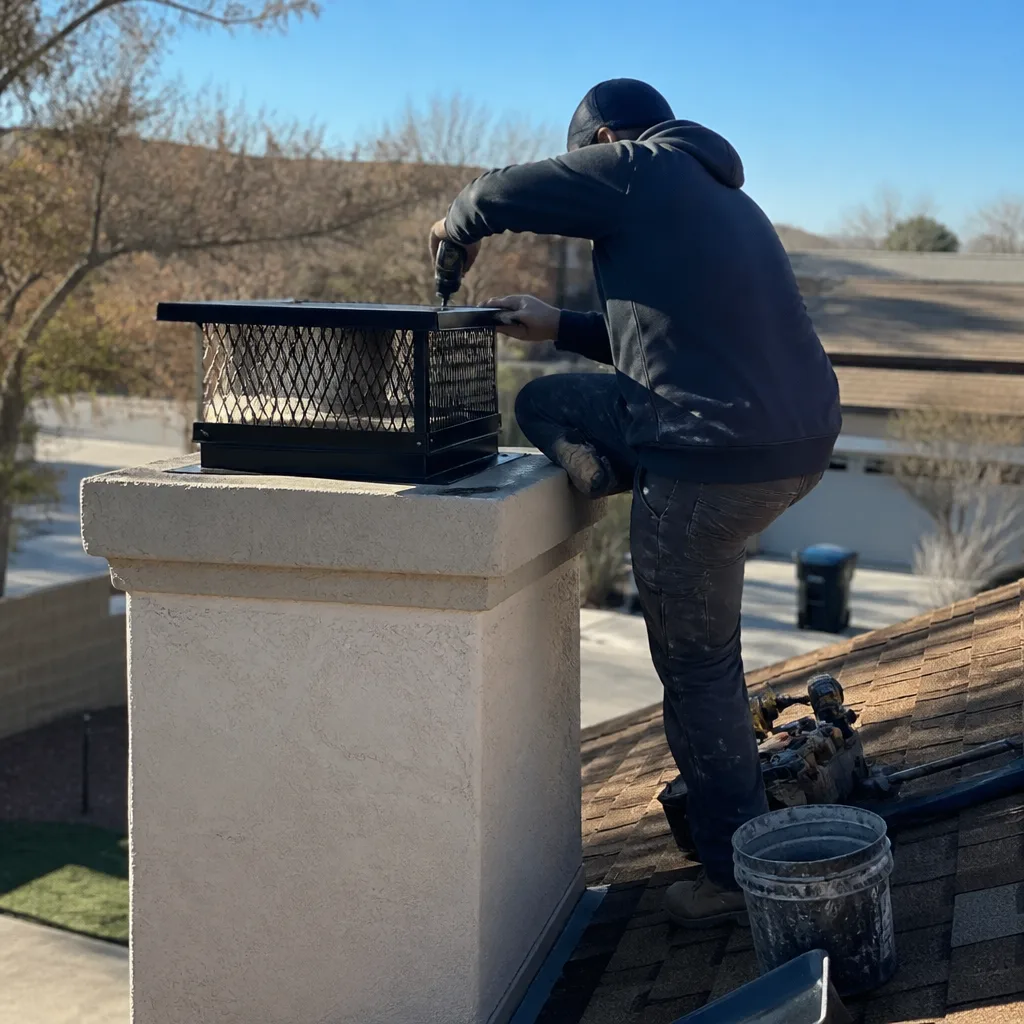
- Ignoring a missing chimney cap. An uncapped flue invites birds, squirrels, rain, and debris. A good quality cap costs less than a single service call to remove a bird nest and pays for itself quickly. Every chimney in Victorville should have a properly sized cap installed.
- Waiting until fall to think about the chimney. The best time to schedule a cleaning or repair in Victorville is late spring or summer, before the rush hits. You’ll get faster scheduling, better availability, and you’ll catch any chimney cap or crown issues before winter weather does more damage.
The Bottom Line
Chimney troubleshooting is really just careful observation. Learn to read the symptoms: smoke rollback points to draft failure, immediate backflow points to blockage, black staining points to firebox leaks, and strong off-season odors point to downdraft or creosote saturation. The firebox checks we described take ten minutes and tell you whether you’re dealing with a quick fix or a real problem. Stage 1 creosote you can brush; stage 2 and 3 require professional equipment. And when a chimney degrades over the Victorville summer, the first fall fire usually reveals it. If your observations point to something beyond a damper adjustment or a newspaper priming test, call a professional who can inspect the full flue and show you proof with a camera. Chimney repair in the High Desert is more common than most homeowners realize, and catching a problem early always costs less than waiting. For dryer vents, which carry a fire risk of their own, dryer vent cleaning in Victorville addresses the other major fire hazard in the home. Pilgrim Chimney offers free estimates. Call (866) 253-5031 and describe what you’re seeing, and we’ll help you figure out the next step.
Written by the team at Pilgrim Chimney, serving Victorville since 2014.
See the difference
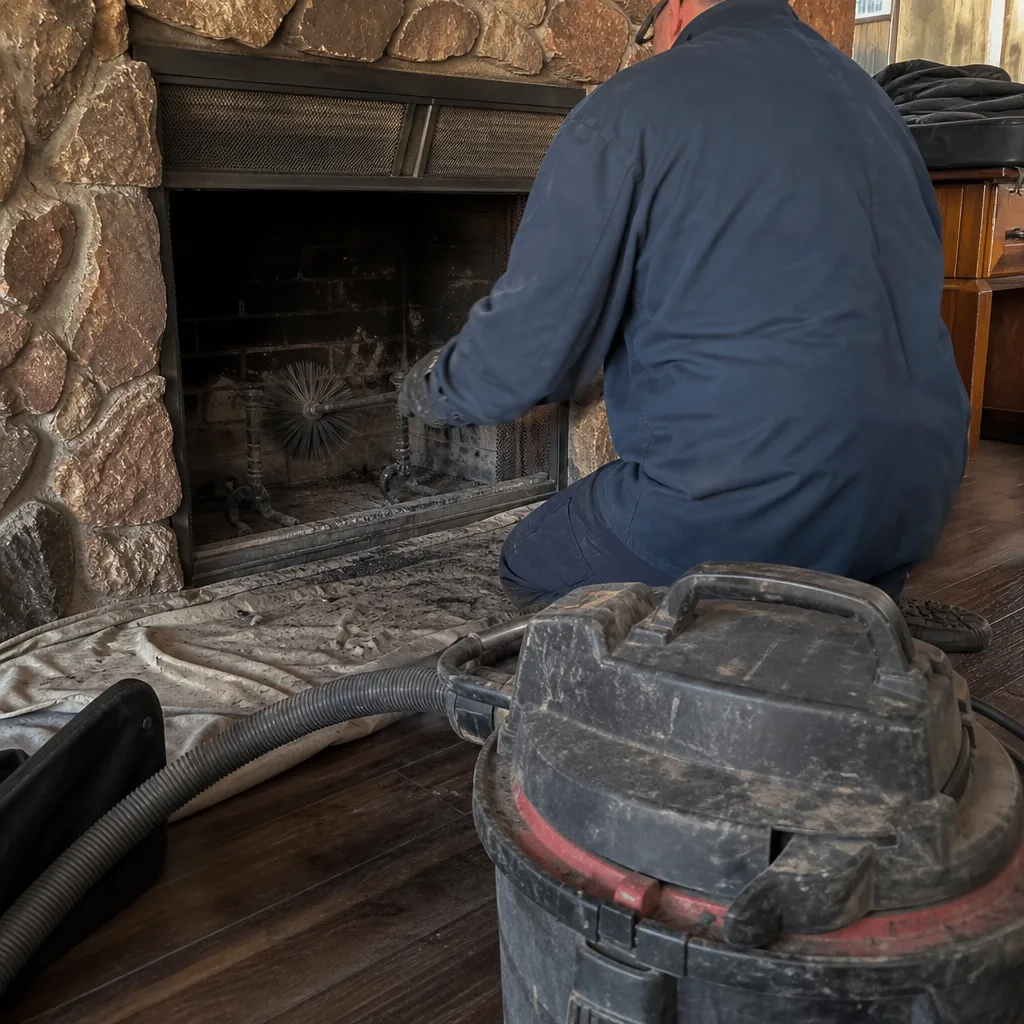 Before
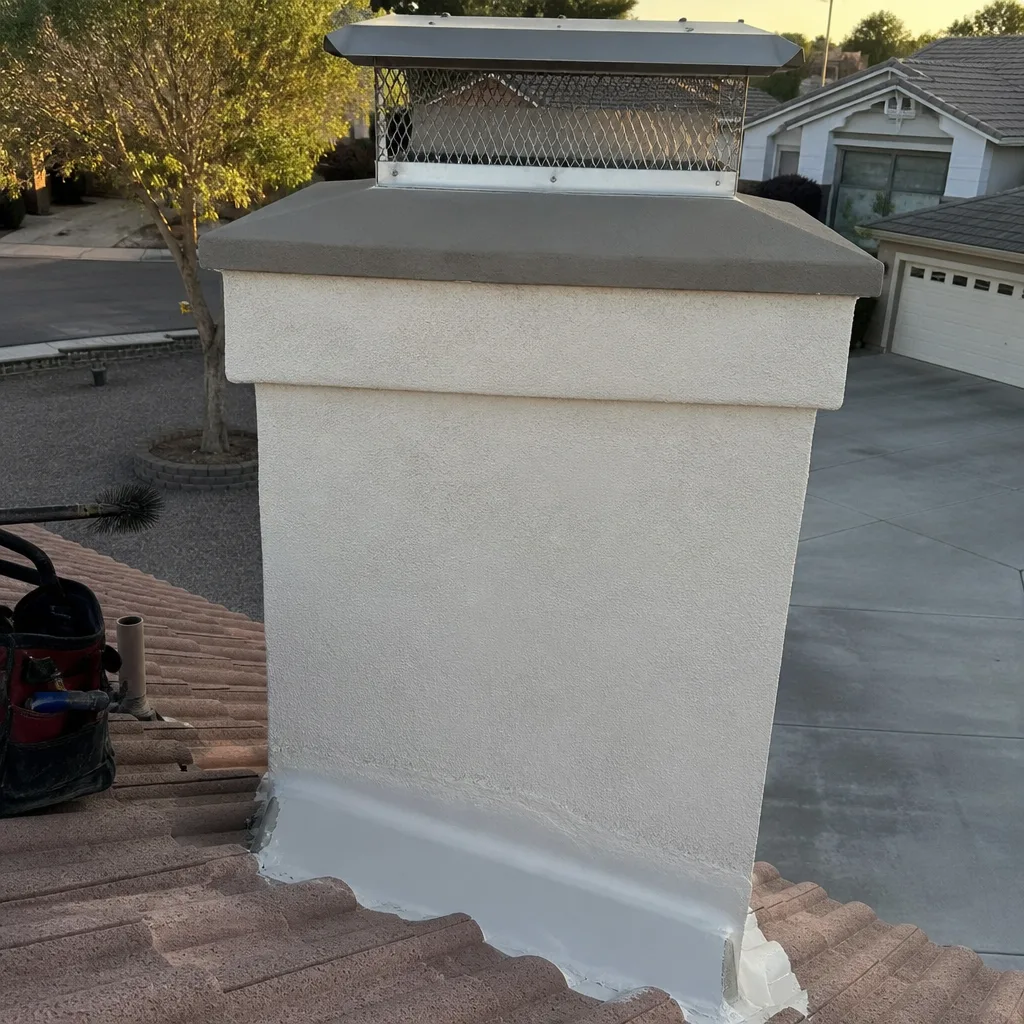 After
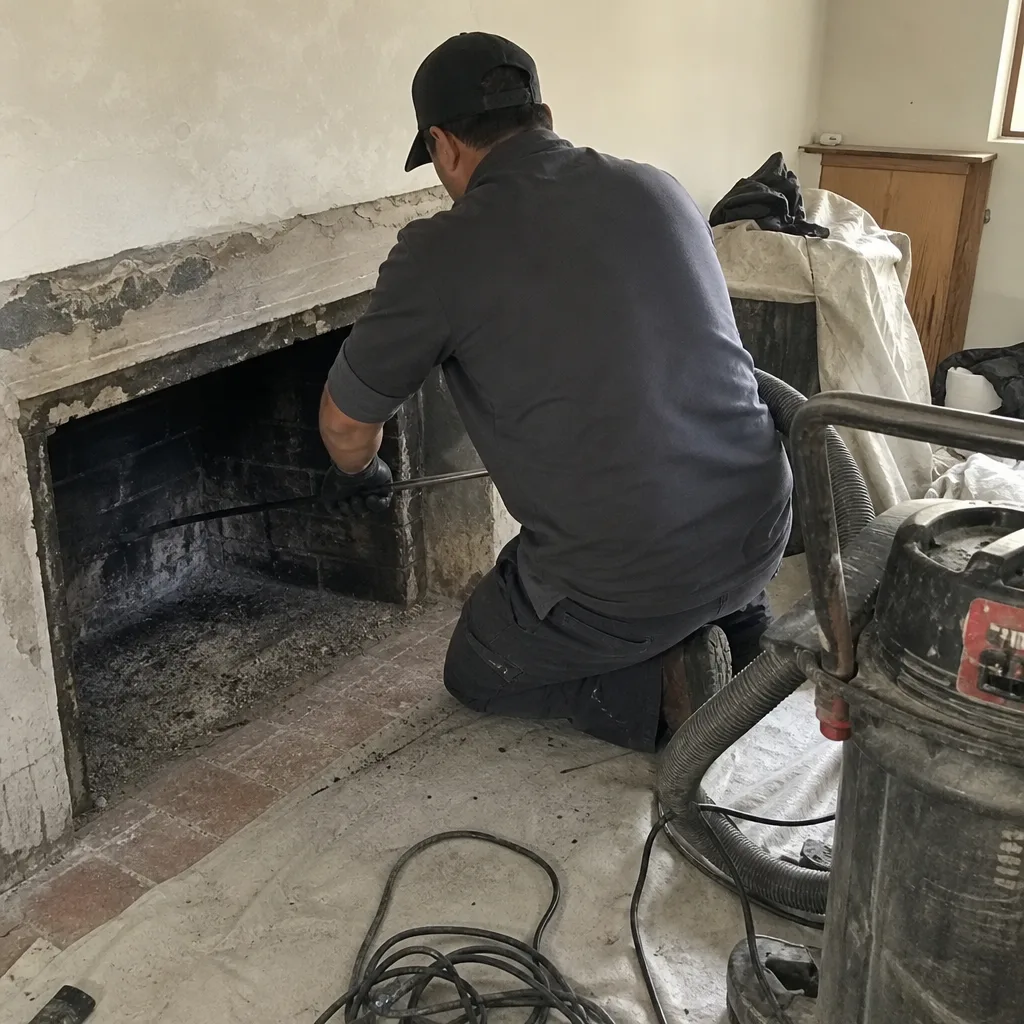 Before
 After
 Before
 After